
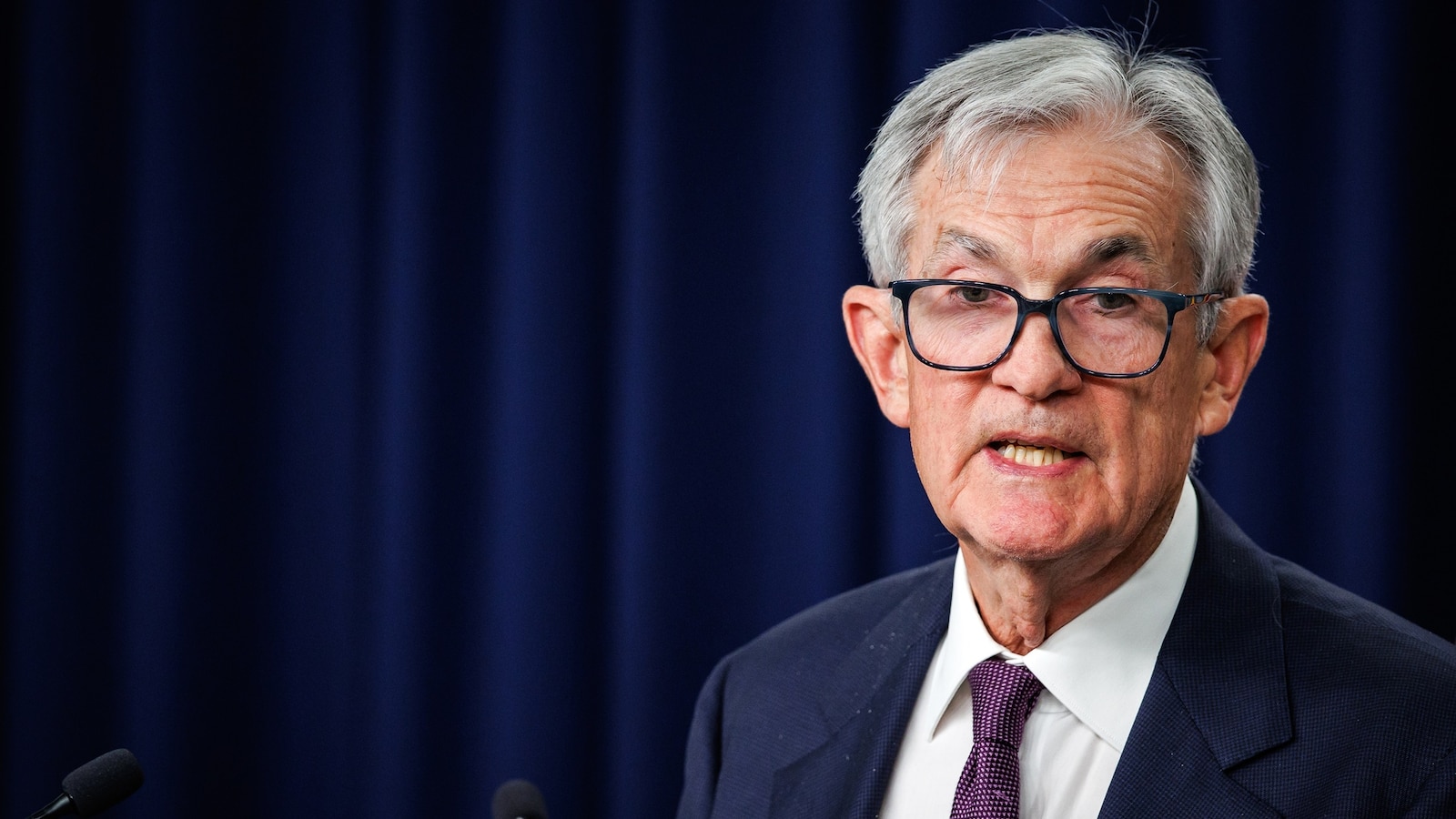
On Friday, April 24, 2026, reports emerged that the U.S. Department of Justice has decided to drop its criminal investigation into Federal Reserve Chair Jerome Powell. The development follows sustained pressure from several Republican senators who had called for the probe to be discontinued, arguing it constituted an overreach of judicial authority into independent central bank operations.
The investigation, which had been quietly underway since late 2024, focused on allegations related to Powell’s financial disclosures and potential conflicts of interest arising from his personal investments during his tenure at the Federal Reserve. Still, no formal charges were ever filed, and the inquiry remained largely confined to internal DOJ reviews without public indictment or grand jury proceedings.
According to multiple verified news outlets, the decision to halt the investigation was communicated internally within the Department of Justice and later confirmed by public statements from figures associated with the review. Notably, District of Columbia U.S. Attorney Jeanine Pirro, who had been overseeing aspects of the inquiry, publicly stated that the DOJ was no longer pursuing criminal charges against the Federal Reserve Chair.
This marks a significant de-escalation in what had become a politically charged examination of the nation’s top monetary policymaker. Although critics of the Fed have long questioned its independence and transparency, supporters warn that any perceived political interference in central bank affairs could undermine market confidence and the institution’s credibility both domestically and abroad.
Federal Reserve Chair Jerome Powell, appointed to his current term in 2022 and re-nominated in 2026, has consistently maintained that his financial holdings comply with all federal ethics guidelines. His office declined to comment directly on the DOJ’s internal deliberations but reiterated Powell’s commitment to transparency and adherence to conflict-of-interest regulations.
The timing of the DOJ’s retreat comes amid broader debates about the appropriate boundaries between legislative oversight, judicial review, and central bank autonomy. Several lawmakers who had advocated for the investigation argued that greater scrutiny was necessary to ensure accountability, particularly in light of inflationary pressures and the Fed’s balance sheet policies over the past few years.
Conversely, defenders of the Fed’s independence—including former officials, economic scholars, and central bank watchdogs—have cautioned that investigations into a sitting chair’s conduct, especially without clear evidence of wrongdoing, risk setting a dangerous precedent. They emphasize that monetary policy decisions should be evaluated on economic merits rather than subjected to criminal inquiries that could chill independent judgment.
As of now, the Department of Justice has not issued a formal public statement detailing the rationale behind closing the inquiry. No court filings, dismissal orders, or official memoranda have been released to explain the basis for the decision. Legal experts note that absent such documentation, the precise motivations—whether prosecutorial discretion, lack of evidence, or interagency negotiation—remain unclear from an official standpoint.
The Federal Reserve continues to operate under its dual mandate of price stability and maximum employment, with Powell indicating in recent public remarks that policy decisions will remain data-dependent. Market analysts suggest that the removal of this legal uncertainty may allow the central bank to focus more fully on its upcoming policy meetings and economic assessments.
Looking ahead, the next confirmed checkpoint in this matter would be any potential release of internal DOJ documentation or congressional inquiries into the handling of the investigation. However, no hearings or official releases are currently scheduled on the matter, according to public calendars from the Department of Justice and relevant congressional committees.
For ongoing updates on Federal Reserve policy, ethics guidelines for public officials, and developments regarding central bank accountability, readers are encouraged to consult official sources such as the Federal Reserve’s website, the U.S. Office of Government Ethics, and the Department of Justice’s public affairs office.
We invite our global audience to share their perspectives on this developing story. What do you believe this decision means for the future of central bank independence in the United States? Join the conversation by commenting below and sharing this article with others interested in global economics and governance.