A Delicate Echo: Examining the Subdued Romance of The History of Sound
Oliver Hermanus’ The History of Sound, adapted from Ben Shattuck’s short story, arrives with considerable anticipation.Starring Paul Mescal and Josh O’Connor, the film promises a tender exploration of queer love in 1910s America. However, while beautifully shot and featuring compelling performances, the film ultimately feels…restrained. It’s a wistful echo rather than a resounding chord.
The narrative centers on Lionel Worthing (Mescal), a young singer experiencing the world through synesthesia, and David White (O’Connor), an ethnomusicology student. Their connection blossoms at the Boston Music Conservatory, fueled by a shared passion for folk music. A brief initial romance is interrupted by World War I, setting the stage for a later, more deliberate journey to collect american folk songs – a trip intended to rekindle their bond.
But The History of Sound struggles to fully ignite. The film establishes a promising premise, offering a refreshing departure from the often-tragic narratives dominating queer period dramas. Yet, it consistently pulls back from truly exploring the emotional depths of its characters.
Here’s a breakdown of where the film succeeds and where it falters:
* Strong Performances: Mescal and O’Connor are undeniably captivating. Both actors have proven their ability to portray complex, nuanced characters in previous queer-themed projects (Mescal in All of us Strangers, O’Connor in God’s Own Country). Their chemistry is present, but feels…contained.
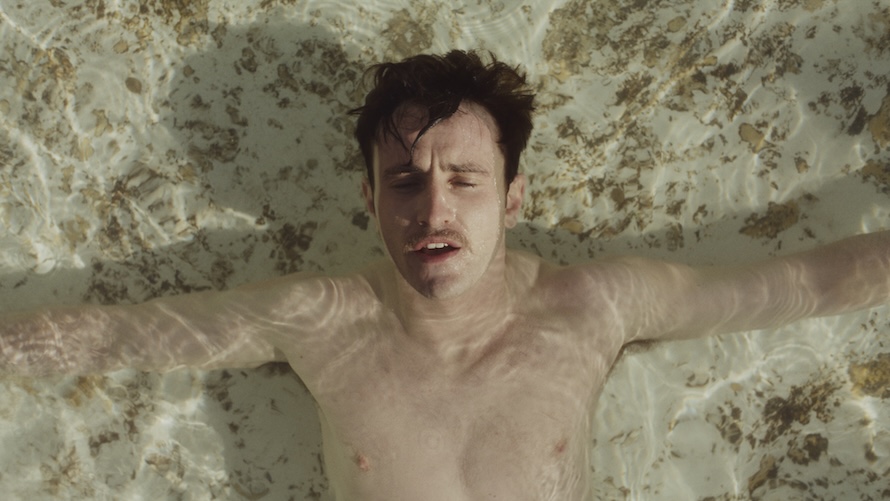
* Atmospheric Setting: The film excels in recreating the atmosphere of early 20th-century America. The cinematography is gorgeous, lending a nostalgic, almost dreamlike quality to the proceedings.
* Missed Opportunities for Conflict: The core issue lies in the film’s reluctance to fully engage with the obstacles facing a same-sex couple during this era. Internalized struggles with identity, class, and trauma are hinted at, but rarely explored with the necessary weight.
* Subdued Direction: hermanus directs with a delicate hand, almost to a fault. The film feels like observing a museum exhibit – gorgeous, but distant and inaccessible. This approach stifles the passion and vibrancy needed to elevate the story.
* A Shift Towards Familiar Tropes: Despite its initial promise, the film ultimately succumbs to familiar tropes of queer misfortune. While acknowledging the realities of the time, the eventual tragedies feel predictable and lessen the impact of the narrative.
The History of Sound isn’t a bad film. It’s a beautifully crafted, thoughtfully made piece. Though,it lacks the emotional resonance and narrative boldness of landmark queer romances like Carol,Portrait of a Lady on Fire,or Brokeback Mountain.
The film’s framing device – an elderly Lionel reflecting on his youth – further contributes to this sense of distance. The narrative is filtered through a hazy, nostalgic lens, prioritizing wistful remembrance over raw emotional truth. This creates a disconnect, preventing the audience from fully investing in Lionel and David’s story.
Ultimately, the History of Sound is a film that admires love from afar, rather than immersing us in its messy, intricate reality. It’s a delicate echo of a potentially powerful story, leaving the viewer wanting more – more passion, more conflict, and more of the vibrant life that lies just beneath the surface.
Keep reading