
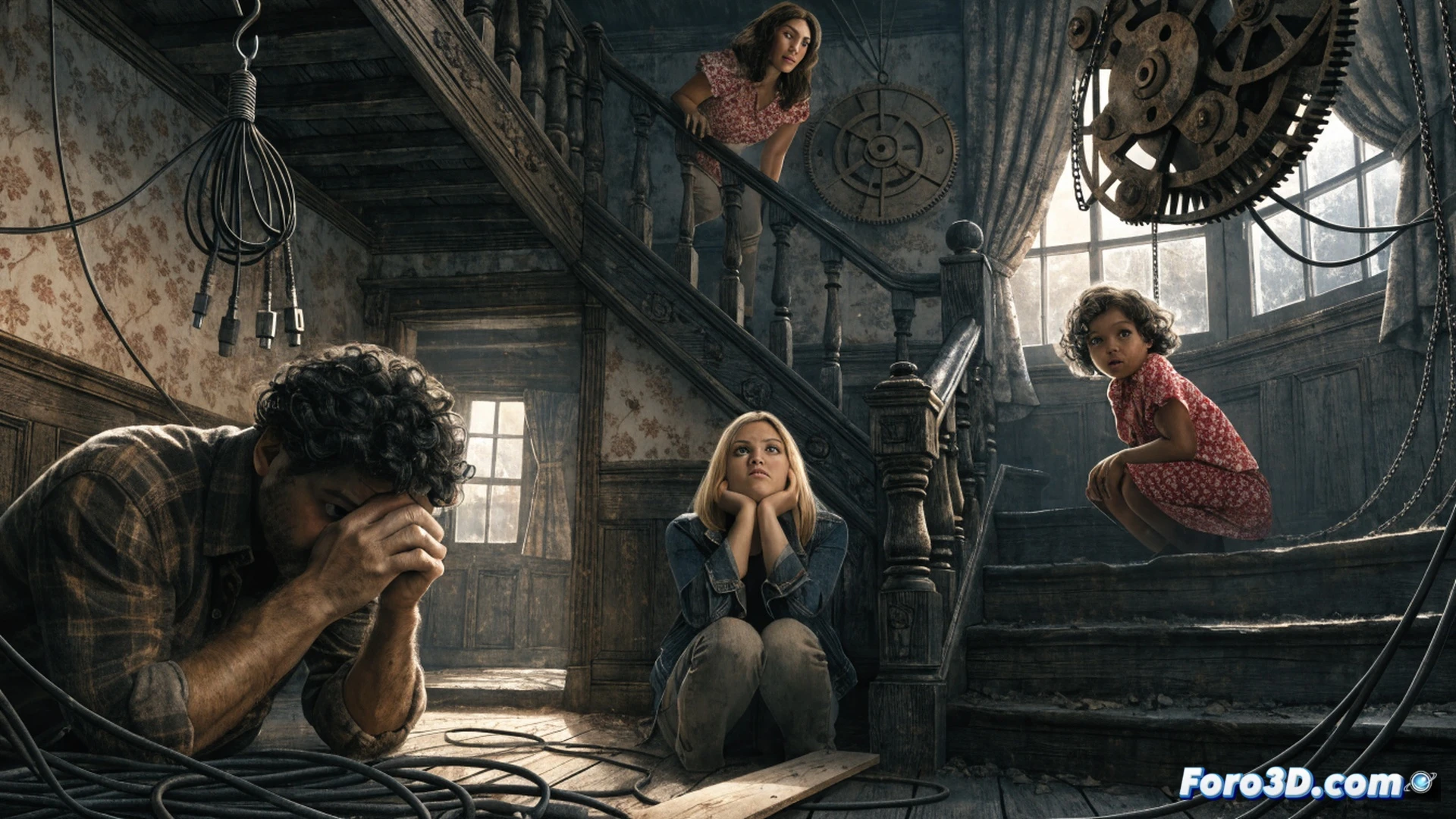
Netflix’s recent addition to its international thriller catalog, The Last House (originally titled La última casa), has sparked significant debate regarding the intersection of domestic isolation and financial precarity. As global audiences consume the film’s tense narrative, questions regarding the reality of mortgage obligations during periods of enforced confinement have moved from cinematic critique to broader economic discourse. According to official guidelines from the Financial Conduct Authority (FCA), while temporary payment holidays were introduced as a regulatory response to the COVID-19 pandemic, these were never permanent exemptions, and borrowers remain legally bound by their original mortgage contracts once relief periods expire.
The film, which explores the psychological toll of a home becoming a site of entrapment, reflects a growing trend in streaming content that mirrors contemporary anxieties about debt, property ownership, and the sanctity of the domestic space. While the narrative employs the home as a “death trap”—a common trope in horror and thriller genres—the underlying financial stressors depicted on screen resonate with real-world households navigating high-interest environments. Data from the Organisation for Economic Co-operation and Development (OECD) indicates that housing affordability has declined across most developed nations, leaving many homeowners vulnerable to even minor fluctuations in income or mortgage rates.
The Reality of Mortgage Obligations During Crises
A frequent point of confusion for viewers is the extent to which legal systems protect homeowners from foreclosure during periods of societal shutdown. Contrary to the notion that “lockdowns” provide a blanket immunity from debt, legal frameworks in the United Kingdom, the United States, and across the European Union have consistently upheld the sanctity of mortgage contracts. As noted by the Bank of England, while central banks may lower interest rates to stimulate the economy, the responsibility for individual debt repayment remains with the borrower. During the 2020–2021 period, while many lenders offered voluntary payment deferrals, these were structured as “capitalization” plans, where the deferred interest was added to the total loan balance, ultimately increasing the long-term cost of the mortgage.
The depiction of the home as a “trap” in The Last House serves as a metaphor for the broader “debt trap” that many middle-class families face when property values and maintenance costs outpace wage growth. When homeowners are unable to meet their monthly obligations, the legal path to repossession remains active under various property laws, such as the Administration of Justice Act 1970 in the UK. These laws provide procedural protections, such as the requirement for a court order before eviction, but they do not void the underlying financial obligation.
Psychological Impacts of Domestic Entrapment
Beyond the financial mechanics, the film taps into the psychological phenomenon of “claustrophobia” within the home—a condition that became a widespread topic of clinical study following the 2020 lockdowns. Research published in the Lancet Psychiatry highlighted that extended periods of confinement significantly increased anxiety and depressive symptoms, particularly for those living in cramped or insecure housing conditions. For the characters in The Last House, the home ceases to be a sanctuary and becomes a source of existential dread, a narrative arc that directly reflects the loss of control many individuals felt during the pandemic.
The effectiveness of this horror sub-genre lies in its ability to weaponize the familiar. By transforming the “mortgage-paying home” into a site of danger, the film exploits the viewer’s deepest insecurities about their largest financial asset. Financial analysts often refer to this as “asset-liability mismatch,” where a homeowner’s primary source of security (the house) becomes their primary source of financial and emotional liability when economic conditions shift unexpectedly.
Economic Indicators and Future Housing Stability
Looking ahead, the stability of the residential property market remains a focus for global regulators. With interest rates having risen from their historic lows, the cost of servicing mortgages has increased significantly for those on variable-rate deals. According to the International Monetary Fund (IMF), the combination of high inflation and elevated mortgage costs is creating a “downward pressure” on housing market activity. For the average viewer of The Last House, these macroeconomic forces are felt as a tangible tightening of the household budget, making the film’s premise feel less like a work of fiction and more like a cautionary tale.

As of the most recent quarterly reports from major mortgage lenders, delinquency rates have remained historically low, though there are signs of increased pressure in sub-sectors of the market. Homeowners concerned about their ability to meet mortgage payments are encouraged by regulators to contact their lenders early. Most financial institutions have dedicated teams to discuss “forbearance” or “restructuring” options, which are far more effective than attempting to ignore the debt, as the characters in cinematic thrillers often do. For further information on consumer rights and debt management, residents in the UK can consult the MoneyHelper service, which provides government-backed, impartial guidance on managing mortgage arrears and avoiding the threat of repossession.
The next major update regarding global housing market trends is expected in the upcoming World Economic Outlook report, which will provide further analysis on how interest rate policies are impacting household solvency. Readers are encouraged to share their thoughts on the economic themes presented in The Last House and to engage with our ongoing coverage of global financial policy.