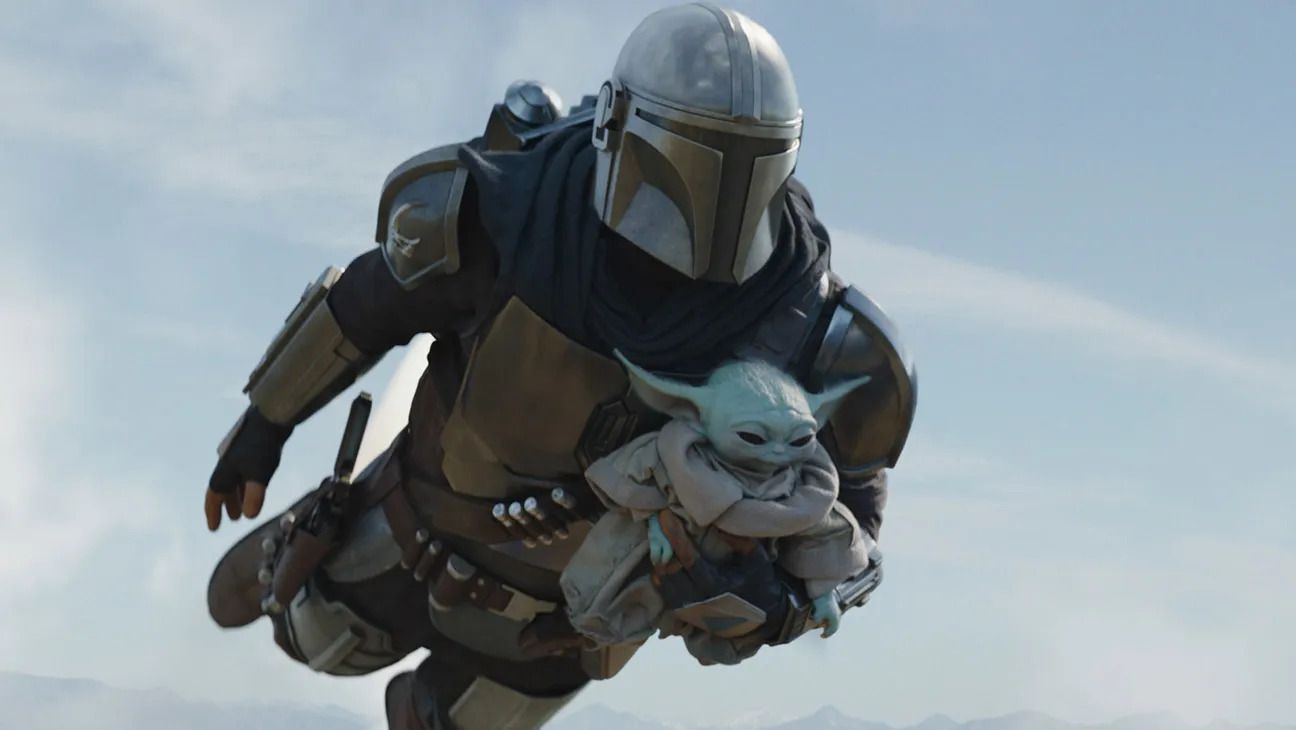
The landscape of Star Wars storytelling is shifting and a surprising consensus is emerging: the best entry in the franchise isn’t the critically acclaimed Disney+ series, The Mandalorian. While the show captivated audiences with its blend of Western and space opera aesthetics, and launched the cultural phenomenon that is Grogu, a growing number of voices – including that of legendary fantasy author George R.R. Martin – are pointing to its cinematic successor, The Mandalorian and Grogu, as the true pinnacle of the modern Star Wars saga. The upcoming film, slated for release on May 22, 2026, is already generating significant buzz, and represents a deliberate pivot by Lucasfilm towards a more theatrical experience.
The Mandalorian, which debuted in 2019, was groundbreaking as the first live-action television series in the Star Wars universe. It quickly garnered a dedicated fanbase, drawn to its compelling characters and serialized storytelling. However, the creative direction has evolved, leading to a re-evaluation of the franchise’s priorities. What began as a television series is now transitioning into a full-fledged cinematic event, signaling a strategic shift in how Lucasfilm approaches its most valuable property. This transition wasn’t initially planned; by February 2023, a fourth season of The Mandalorian was reportedly in development, but the 2023 Hollywood labor disputes prompted a reassessment of Lucasfilm’s overall strategy.
From Slight Screen to Silver Screen: The Evolution of a Story
The decision to prioritize a feature film over a fourth season of the Disney+ series reflects a broader trend within Lucasfilm. The company, recognizing the potential for a larger-scale narrative, opted to capitalize on the established popularity of Din Djarin and Grogu with a theatrical release. The Mandalorian and Grogu, directed by Jon Favreau and co-written with Dave Filoni and Noah Kloor, promises a more expansive and visually stunning experience than its television predecessor. Filming, which commenced in California in August 2024, wrapped in December of the same year, indicating a focused and efficient production schedule.
The film stars Pedro Pascal, reprising his role as Din Djarin, the titular Mandalorian bounty hunter. He will be joined by Jeremy Allen White, cast as Rotta the Hutt, and Sigourney Weaver, adding further star power to the project. Brendan Wayne and Lateef Crowder will also return, having physically portrayed The Mandalorian alongside Pascal during the series’ run. The narrative centers around Djarin and Grogu being enlisted by the New Republic to rescue Rotta the Hutt in exchange for crucial information regarding a target, setting the stage for a potentially galaxy-spanning adventure.
George R.R. Martin’s Endorsement and the Changing Landscape
The shift in focus isn’t just a Lucasfilm decision; it’s also receiving support from influential figures within the entertainment industry. George R.R. Martin, the acclaimed author of A Song of Ice and Fire (the series upon which Game of Thrones is based), has publicly expressed his enthusiasm for the film, suggesting it surpasses the television series in scope and ambition. While Martin’s specific comments haven’t been directly quoted in official releases, his endorsement carries significant weight, given his own expertise in crafting complex and immersive narratives. Martin’s involvement with Star Wars extends to consulting on various projects, lending his creative insight to the franchise.

This endorsement highlights a key distinction between the television series and the upcoming film. The Mandalorian, while innovative, was constrained by the episodic format of streaming television. The Mandalorian and Grogu, with its 132-minute runtime, offers Favreau and Filoni the opportunity to deliver a more cohesive and cinematic experience. The larger budget and scope associated with a theatrical release allow for more elaborate special effects, expansive set pieces, and a more ambitious storyline. Here’s a departure from the more contained narratives often found in streaming series.
Technical Specifications and Production Details
The film boasts a stellar technical team, further solidifying its potential for visual and auditory excellence. David Klein is serving as the cinematographer, responsible for capturing the film’s stunning visuals. Rachel Goodlett Katz and Dylan Firshein are handling the editing, ensuring a seamless and engaging narrative flow. And, crucially, Ludwig Göransson returns to compose the score, building upon the iconic themes he established in The Mandalorian. Göransson’s function on the series earned him an Emmy Award, and his continued involvement promises a musically rich and emotionally resonant cinematic experience.
Lucasfilm and Fairview Entertainment are the production companies behind The Mandalorian and Grogu, with Walt Disney Studios Motion Pictures handling distribution. The film is rated PG, indicating its suitability for a broad audience. The theatrical trailer, released in September 2025, has already generated considerable excitement among fans, offering a glimpse of the action, adventure, and emotional core of the story. The trailer is currently available for viewing and has been widely shared across social media platforms.
The Future of Star Wars Storytelling
The release of The Mandalorian and Grogu represents a significant moment for the Star Wars franchise. It signals a willingness to experiment with different storytelling formats and to prioritize the cinematic experience. The success of the film could pave the way for further adaptations of popular Disney+ series into feature-length films, potentially revitalizing the franchise and attracting a wider audience. This strategic shift also reflects the evolving landscape of the entertainment industry, where theatrical releases and streaming platforms are increasingly intertwined.

The film’s setting, following the fall of the Galactic Empire, provides a fertile ground for exploring new characters, storylines, and themes. The involvement of the New Republic adds a layer of political intrigue, while the rescue mission involving Rotta the Hutt promises a thrilling and action-packed adventure. The dynamic between Din Djarin and Grogu remains at the heart of the story, offering a compelling emotional core that resonates with audiences.
As May 22, 2026, approaches, anticipation for The Mandalorian and Grogu continues to build. The film’s blend of established characters, a compelling narrative, and a talented creative team positions it as a potential blockbuster and a defining moment for the Star Wars franchise. The endorsement from figures like George R.R. Martin further underscores its significance and suggests that this cinematic adventure may indeed surpass its television origins in both scope and impact.
The next major update regarding the film is expected to be the release of further promotional materials, including additional trailers and behind-the-scenes footage, in the months leading up to its premiere. Fans are encouraged to follow official Star Wars channels for the latest news and updates. What are your thoughts on the shift from television to film? Share your opinions in the comments below, and don’t forget to share this article with fellow Star Wars enthusiasts!