
The Lada Niva’s Long-Awaited Successor: How a Renault Project Resurrected as Russia’s Rugged Revival
After more than five decades as Russia’s automotive icon, the Lada Niva is on the verge of a transformation. New patent filings reveal the first official glimpses of its successor—a vehicle that bears a striking resemblance to the Dacia Duster, a design originally conceived during Lada’s partnership with Renault. What began as a collaborative project under French ownership has now been resurrected by Avtovaz, Lada’s Russian manufacturer, in a move that reflects both continuity and adaptation in Russia’s post-sanctions automotive landscape.
The T-134 project, as it’s internally known, represents a rare case of automotive continuity amid geopolitical upheaval. When Renault exited the Russian market in 2022—selling Lada for a symbolic one euro in response to the Ukraine invasion—the project was effectively abandoned. Yet, according to patent documents filed with Russia’s Federal Institute of Industrial Property (FIPS) and published in December 2025, development has quietly resumed. The latest renderings confirm what automotive analysts had long suspected: the new Niva shares more than just DNA with its Romanian cousin.
This is not a copy—it’s a revival. The design language, from the chunky front bumper to the LED taillights and C-pillar door handles, mirrors the Duster’s signature aesthetic. But unlike the Duster’s French engineering, the new Niva is being positioned as a distinctly Russian product—one that retains the rugged, no-frills ethos of its predecessor while incorporating modern safety and efficiency standards. Whether this marks a strategic pivot or a last-ditch effort to compete in a shrinking global market remains to be seen.
From Renault Collaboration to Russian Revival: The Turbulent History of the T-134
The story of the new Niva begins in the early 2010s, when Renault acquired a majority stake in Avtovaz, Lada’s parent company. Under French ownership, the T-134 project was launched with a dual mandate: modernize the Niva’s legacy while leveraging Renault’s global supply chain. Early sketches from 2021 revealed a vehicle that bore more than a passing resemblance to the Dacia Duster—a deliberate choice, given Renault’s shared platform strategy for its budget SUVs.

By 2022, however, the project was in limbo. Renault’s abrupt exit from Russia left Avtovaz scrambling to salvage what remained. The Duster’s platform and design cues were already deeply embedded in the T-134’s development, but without Renault’s support, the project risked becoming a costly relic. Yet, as patent filings now confirm, Avtovaz has not only revived the T-134 but appears to have accelerated its development.
Key verified details:
- Project timeline: Initiated under Renault (pre-2022), officially abandoned post-exit, resumed by Avtovaz in 2024–2025.
- Design origins: Patent images filed with Russia’s FIPS in December 2025, published May 2026.
- Technical focus: Combustion engine confirmed (no hybrid/electric variants in current renderings).
- Market positioning: Aimed at replacing the current Niva (T-25) and Legend models, not as a direct competitor to the Chevrolet Niva (which remains in production).
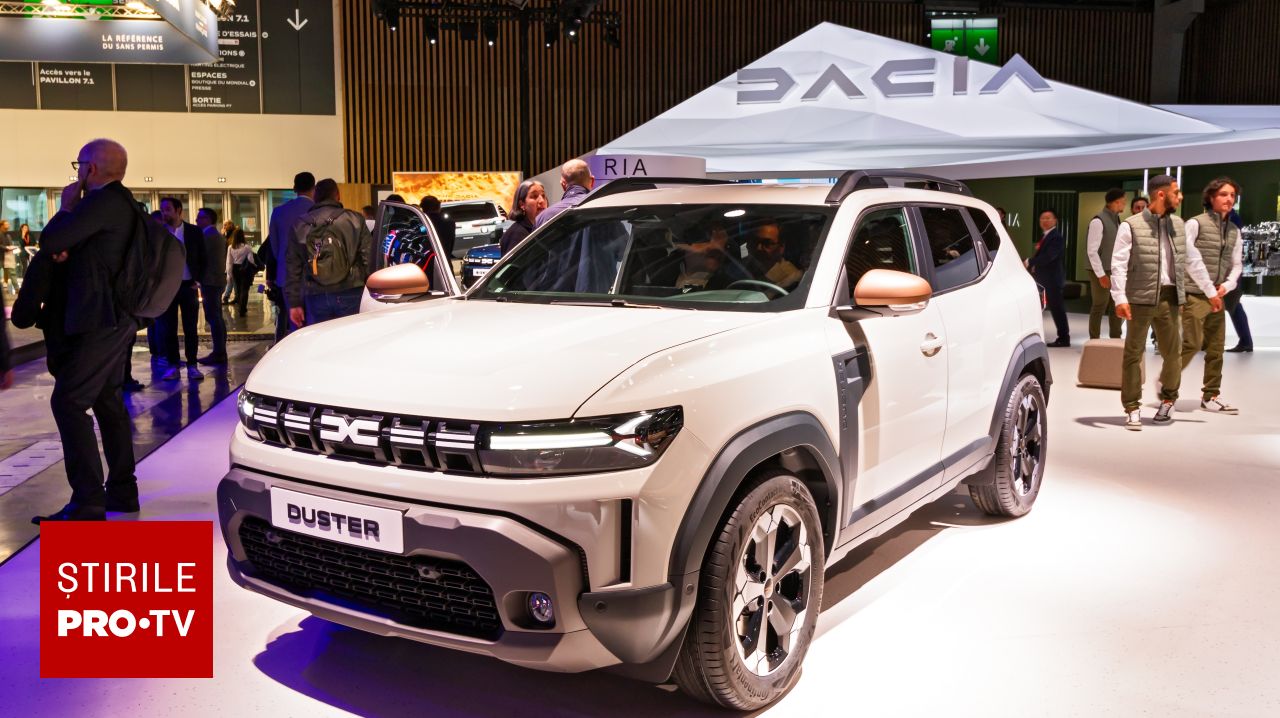
Why the Duster resemblance? The similarities extend beyond aesthetics. The new Niva’s front fascia, with its blacked-out grille and circular daytime running lights, closely mimics the Duster’s 2023 redesign. Even the orange-tinted turn signals—a Duster trademark—appear in the patent renderings. This is not accidental; it reflects the shared B0 platform used by both vehicles during Renault’s ownership.
Design Deep Dive: What the Patent Images Reveal
The leaked patent images provide the most detailed look yet at the new Niva’s design language. While the overall silhouette retains the boxy, utilitarian charm of its predecessor, the modern updates are undeniable:
- Front end: A bold, black grille with integrated circular headlamps (including LED daytime running lights) and orange turn signals positioned above the bumper. The bumper itself is slightly more aggressive than the 2021 concept, suggesting off-road capability.
- Side profile: Pronounced black fender flares and roof rails hint at an elevated ground clearance, while the C-pillar door handles evoke the original Niva’s three-door heritage.
- Rear: A color-matched bumper with integrated LED taillights, though the design remains simpler than the Duster’s more elaborate rear treatment.
Notable exclusions: Unlike the Duster, the new Niva’s renderings do not show any electric or hybrid variants. This aligns with Avtovaz’s recent statements emphasizing cost-effectiveness and traditional powertrains in its post-sanctions strategy.

The Business Behind the Revival: Why Russia’s Automotive Future Depends on the Niva
The new Niva’s resurrection is more than just a design exercise—it’s a strategic imperative for Avtovaz. With Russia’s automotive market contracting due to sanctions and export restrictions, the company faces a critical choice: double down on legacy models or attempt to modernize its lineup. The T-134 project represents a calculated risk, betting that nostalgia for the original Niva can coexist with contemporary expectations for safety and efficiency.
Three key stakeholders in this revival:
- Avtovaz: Needs a successor to the aging Niva (T-25) and Legend models, which have been in production since the 1970s and early 2000s, respectively. The new model could also help offset losses from the Chevrolet Niva’s declining sales.
- Russian consumers: The original Niva holds cult status, particularly among off-road enthusiasts. A modernized version could appeal to younger buyers while retaining the brand’s rugged identity.
- Global markets: If sanctions ease, a Duster-like Niva could position Avtovaz for re-entry into Europe and beyond, leveraging the Renault platform’s existing supply chains.
Unanswered questions:
- Will the new Niva share mechanical components with the Duster, or will Avtovaz develop its own powertrain?
- What is the projected launch date? Early reports suggested 2028, but patent filings indicate development may be ahead of schedule.
- How will pricing compare to the Duster? The original Niva has always been positioned as a budget-friendly alternative.
Key Takeaways
- The new Lada Niva is a direct descendant of the Renault-era T-134 project, with design cues borrowed from the Dacia Duster.
- Patent filings confirm development has resumed, with a focus on a combustion-engine model prioritizing cost and ruggedness.
- The vehicle aims to replace the current Niva (T-25) and Legend, not compete with the Chevrolet Niva.
- Avtovaz’s revival of the project reflects a broader strategy to modernize its lineup amid market contraction.
- No official launch date has been confirmed, but industry sources suggest a window between 2027–2028.
What Happens Next? The Road Ahead for the New Niva
The next critical checkpoint will be Avtovaz’s official announcement, expected in the coming months. While patent filings provide a roadmap, the company has historically kept its cards close to the vest. Key milestones to watch:
- Prototype testing: If the patent renderings are accurate, physical prototypes should be visible by mid-2026.
- Powertrain confirmation: Avtovaz has not disclosed engine specifications, but industry speculation points to a 1.6L or 1.8L gasoline engine, similar to the Duster’s current lineup.
- Pricing and market positioning: The original Niva starts at around €12,000–€15,000. The successor will likely target a similar segment but may include higher-end trims.
- Export potential: If sanctions are lifted, the Duster-like design could make the new Niva a competitive export candidate in Europe and Latin America.
For now, the project remains a blend of continuity and reinvention—a testament to the enduring appeal of the Niva name. Whether it becomes a symbol of Russia’s automotive resilience or another casualty of geopolitical turbulence will depend on how Avtovaz balances heritage with innovation.
What do you think about the new Lada Niva’s design? Will it succeed where past revivals have stalled? Share your thoughts in the comments below or tag @WorldTodayJ on social media.
For the latest updates on Avtovaz’s projects, follow our Business & Automotive section.