,regionOfInterest=(1055,763)&hash=8237a0212849e2bcb98d06649fc048eeb3995e80a36172a16b42144300efdf7b)
Adopting healthier eating patterns starting at age 45 may extend life expectancy by up to three years, according to a comprehensive study published in the journal Nature Food. Researchers found that individuals who transitioned from a typical Western diet to more sustainable, nutrient-dense eating habits saw a measurable increase in longevity, regardless of their previous dietary history. This analysis, which tracked data from over 460,000 participants in the United Kingdom, provides some of the strongest evidence to date that mid-life dietary intervention serves as a significant lever for long-term health outcomes.
As a physician, I frequently encounter patients who feel that the damage from decades of suboptimal nutrition is irreversible. However, the data published by researchers at the University of Bergen and the University of Minnesota suggests otherwise. By analyzing dietary patterns against mortality risk, the study demonstrates that it is rarely too late to improve health markers through food choices. The findings indicate that consistent adherence to high-quality dietary patterns—even when adopted during middle age—can significantly mitigate the risk of chronic diseases that often lead to premature mortality.
The Impact of Dietary Patterns on Longevity
The study specifically analyzed five distinct dietary patterns, including the Mediterranean diet, the Planetary Health Diet, and the Healthy Eating Index-2015. Each of these patterns emphasizes the consumption of whole grains, fruits, vegetables, nuts, and legumes while limiting intake of processed meats and sugar-sweetened beverages. According to the published research in Nature Food, individuals who sustained these dietary shifts experienced a statistically significant reduction in all-cause mortality. For those starting at age 45, the projected gain in life expectancy reached nearly three years.
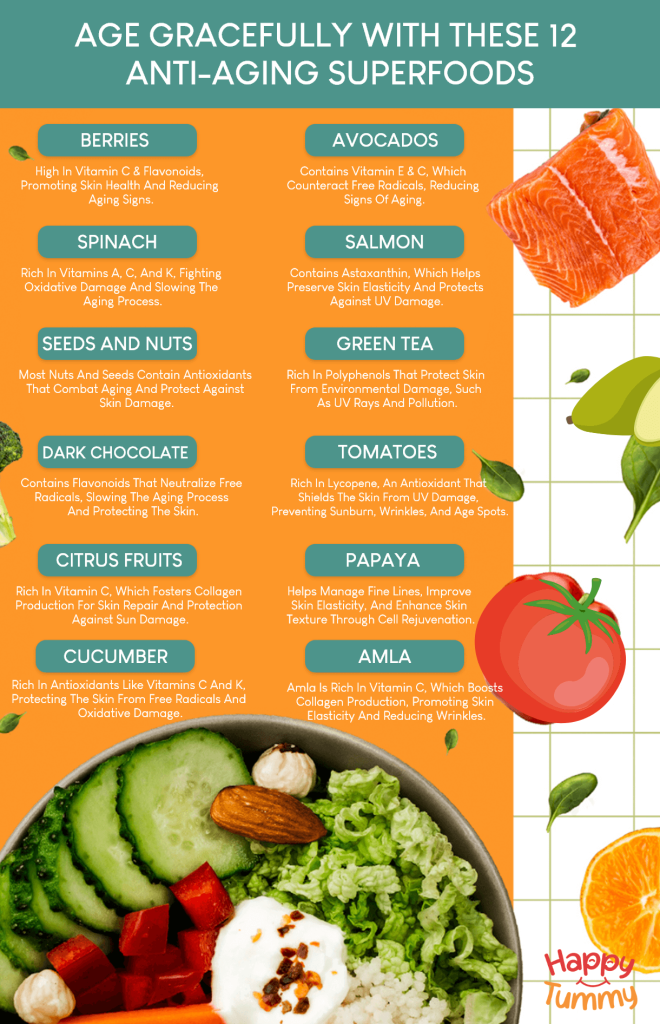
The research emphasizes that the magnitude of the benefit is directly tied to the consistency of the change. Participants who moved from the bottom 10% of diet quality to the top 10% saw the most dramatic improvements. This suggests that the body retains a capacity for metabolic repair and systemic inflammation reduction even after decades of poor dietary habits. The findings highlight that even moderate shifts—such as replacing refined carbohydrates with whole grains—contribute to cumulative health benefits over time.
Why Mid-Life Interventions Matter
Middle age is a critical juncture for physiological health, as it often marks the onset of metabolic conditions such as hypertension, type 2 diabetes, and cardiovascular disease. Data from the World Health Organization indicates that non-communicable diseases are the leading cause of death globally, and these conditions are heavily influenced by long-term nutritional intake. By intervening at age 45, individuals can alter the trajectory of these chronic conditions, potentially delaying or preventing their onset entirely.

The study’s focus on the age-45 threshold is particularly relevant for public health policy. It shifts the narrative away from the idea that nutrition is only critical during early development or late-life care. Instead, it positions mid-life as a “window of opportunity.” By focusing on dietary quality rather than restrictive calorie counting, individuals can adopt patterns that are more sustainable over the long term, which is the primary challenge in behavioral nutrition.
Practical Strategies for Sustainable Dietary Change
Transitioning to a healthier diet does not require radical, overnight changes that are difficult to maintain. Based on the dietary patterns analyzed in the study, clinicians often recommend a “substitution approach” to improve nutrient density. This includes:
- Prioritizing Plant-Based Proteins: Swapping red and processed meats for beans, lentils, or tofu at least three times per week.
- Increasing Whole Grains: Replacing refined white bread, pasta, and rice with quinoa, oats, or brown rice to improve fiber intake and glycemic control.
- Adding Healthy Fats: Incorporating sources of unsaturated fats, such as olive oil, avocados, and walnuts, which are staples of the Mediterranean-style diets highlighted in the research.
- Reducing Ultra-Processed Foods: Limiting intake of packaged snacks and sugary drinks, which are often high in sodium and added sugars.
The Harvard T.H. Chan School of Public Health notes that these small, incremental changes are more likely to lead to permanent lifestyle modifications than strict, short-term diets. Patients are encouraged to view these changes as a long-term investment in physiological resilience rather than a temporary fix.
Understanding the Data: A Global Perspective
While the study relied on U.K. Biobank data, the underlying biological principles of these diets are applicable across diverse populations. However, it is important to acknowledge that access to fresh, whole foods remains a significant barrier to implementation for many households. The research does not account for the socioeconomic variables that influence food choice, such as food deserts or the high cost of fresh produce in certain regions.

Healthcare providers should consider these systemic barriers when offering nutritional counseling. Future research is expected to focus on how to make these high-quality diets more accessible and affordable on a global scale. As of the latest updates from the Centers for Disease Control and Prevention, ongoing efforts are focused on integrating nutrition education into primary care to help bridge the gap between clinical findings and daily practice.
The next major checkpoint for this area of research will be longitudinal follow-up studies that track the specific mechanisms—such as changes in gut microbiome composition or markers of systemic inflammation—that drive these longevity gains. For now, the evidence is clear: the choices made at 45 and beyond have a measurable, lasting impact on the duration and quality of life. Readers are encouraged to consult with a primary care physician or a registered dietitian to develop a personalized nutritional plan that aligns with these evidence-based findings.