
WhatsApp users across the globe are currently encountering a viral chain message that falsely claims an artificial intelligence program has gained unauthorized access to their private conversations. Security researchers and Meta, the parent company of WhatsApp, have confirmed these messages are hoaxes designed to incite panic rather than reflect any genuine breach of the platform’s end-to-end encryption protocols.
The message, which typically circulates via forwarded texts, warns users that a new “AI feature” or “legal update” allows third parties to monitor chats unless the user forwards the warning to their contact list. According to cybersecurity advisories from organizations like the German Federal Office for Information Security (BSI), these messages lack any technical basis and are a modern iteration of classic “chain letter” scams that have existed since the early days of the internet.
How WhatsApp Encryption Actually Works
The core of the hoax relies on a misunderstanding of how end-to-end encryption (E2EE) functions. WhatsApp utilizes the Signal Protocol, which ensures that only the sender and the recipient of a message can read its contents. According to the official WhatsApp security whitepaper, not even Meta can access the content of messages, listen to calls, or review shared media files. The encryption keys are stored locally on the user’s device, meaning no external AI or unauthorized server can decrypt the data in transit.

While Meta has integrated generative AI tools into its ecosystem—such as Meta AI for image generation or chat assistance—these tools operate in a sandboxed environment. Meta has stated that interactions with Meta AI are separate from personal, private chats. The company’s Privacy Policy clarifies that while AI models may be trained on public data or specific feedback, personal messages remain protected by the same encryption standards that have been in place since 2016.
Why Chain Letters Persist in the Digital Age
Psychological manipulation is the primary driver behind the spread of these hoaxes. By framing the message as an “urgent security alert,” bad actors exploit a user’s fear of losing privacy. These messages often include instructions to forward the text to “all your contacts,” which is the hallmark of a viral misinformation campaign. The goal is rarely financial theft in this specific instance, but rather to disrupt platform usage and test the gullibility of the user base.

Experts in digital literacy note that chain letters often succeed because they mimic the tone of official warnings. However, official notifications from WhatsApp are never delivered through forwarded messages from other users. As noted by the Verbraucherzentrale, a German consumer protection agency, legitimate platform updates are communicated via in-app notifications or official verified channels, never through forwarded user text.
Steps to Protect Your Privacy
Users concerned about their account security should ignore and delete these chain messages immediately. Forwarding them only contributes to the spread of misinformation and can annoy contacts. For those who want to ensure their account is truly secure, the following steps are recommended:
- Enable Two-Step Verification: This adds a PIN to your account, preventing unauthorized access even if someone gains access to your SIM card.
- Review Linked Devices: Navigate to the “Linked Devices” menu in WhatsApp settings to see if any unknown computers or browsers have access to your account.
- Check Privacy Settings: Use the “Privacy Checkup” feature within the app to manage who can see your profile photo, status, and last seen timestamps.
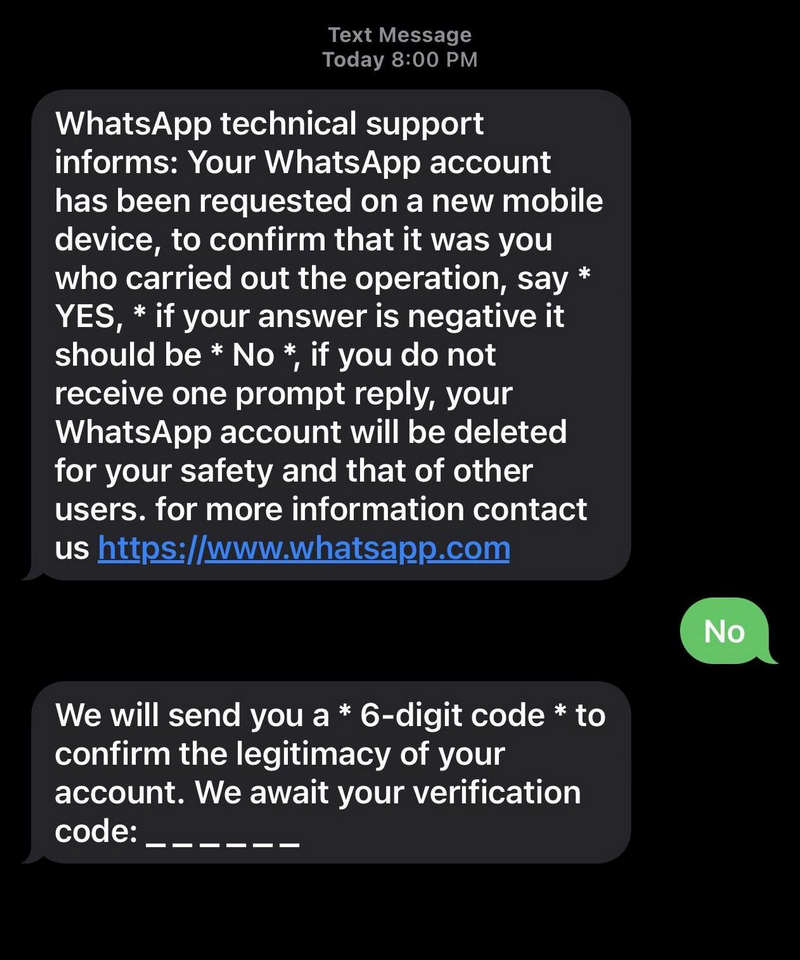
Security researchers advise that the real threat to WhatsApp users is not an invisible AI, but rather phishing attacks that attempt to steal six-digit verification codes. Never share your verification code with anyone, even someone claiming to be a friend or family member.
Looking Ahead: Platform Security
Meta continues to update its infrastructure to combat both automated spam and coordinated misinformation. The company is expected to release further documentation regarding its AI integration policies later this year, particularly as global regulators, such as those overseeing the EU’s Digital Markets Act, demand greater transparency in how big tech firms handle user data. Users can monitor the official WhatsApp blog for verified news regarding new features or security updates.
Have you encountered this hoax in your own chats? Share your experiences in the comments below, and help us keep the community informed by sharing this report with those who may be worried by these misleading messages.
Related reading