
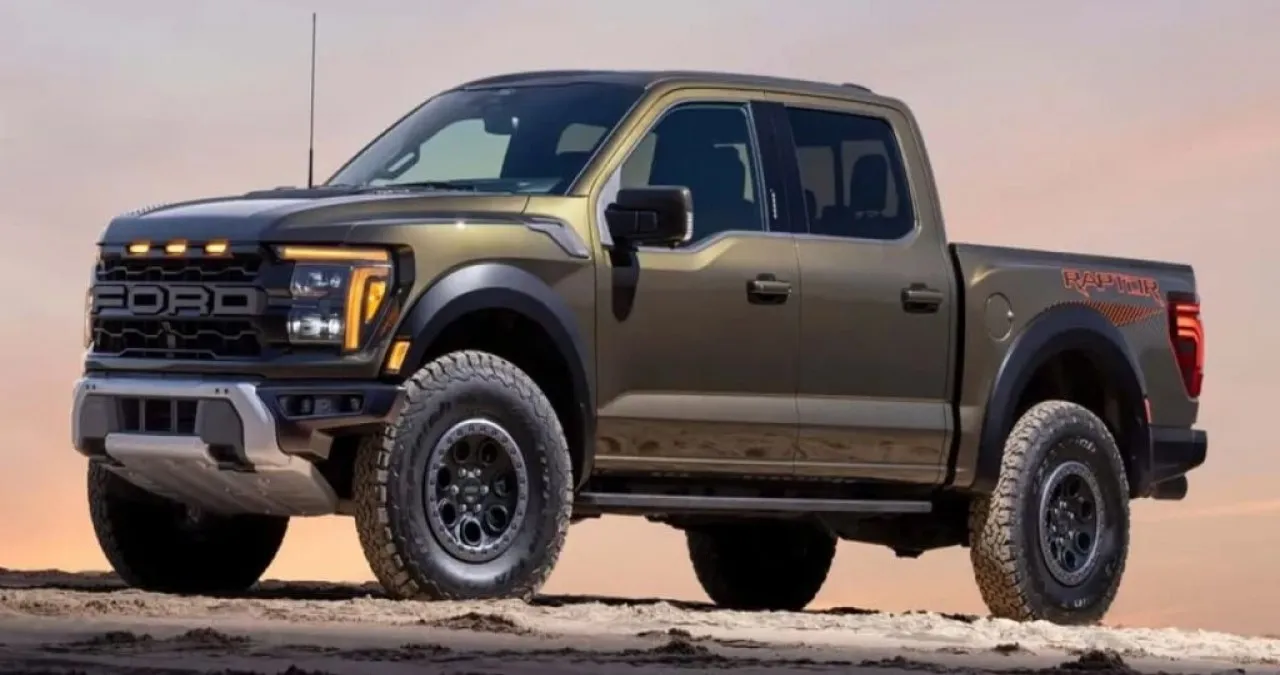
The hum of assembly lines at a major U.S. Pickup truck factory has returned to full capacity, operating six days a week to meet relentless demand that shows no signs of slowing, even as fuel prices fluctuate. This sustained production surge underscores the enduring profitability of full-size trucks, a segment that continues to serve as a critical financial engine for American automakers navigating the complex transition toward electric vehicles.
Industry analysts point to the truck segment’s strong margins as a key reason automakers are doubling down on internal combustion and hybrid models, using the profits to fund costly EV development and retooling efforts. For General Motors, the continued strength of its Chevrolet Silverado and GMC Sierra lines provides essential cash flow amid ongoing investments in Ultium-based electric vehicles. Similarly, Ford’s F-Series, consistently the best-selling vehicle in the United States for decades, remains a cornerstone of its profitability, helping to offset losses in its Model e electric vehicle division.
Recent reports indicate that Ford’s EV division has incurred significant cumulative losses, with estimates exceeding $13 billion since the initiative’s launch, according to industry analyses cited in Korean financial news outlets. These losses have prompted the Dearborn-based automaker to recalibrate its electrification strategy, scaling back certain all-electric projects like the F-150 Lightning’s next-generation platform and shifting focus toward hybrid and extended-range electric vehicle (EREV) architectures. The move reflects a broader industry trend where automakers are balancing long-term electrification goals with short-term financial stability, leveraging profitable truck and SUV lines to bridge the gap.
Despite pressures from rising fuel costs and increasing regulatory scrutiny on emissions, consumer demand for full-size pickups remains robust. This resilience is driven by a combination of factors, including the vehicles’ versatility for both work and personal use, strong resale values, and deep-rooted brand loyalty, particularly in rural and suburban markets across the United States. In regions where charging infrastructure remains limited or where towing and hauling capabilities are essential, gasoline and diesel-powered trucks continue to be the preferred choice.
The ongoing production ramp-up also highlights the competitive dynamics between domestic automakers, with General Motors and Ford locked in a longstanding rivalry for dominance in the truck segment. This “brand pride” battle, as described in industry commentary, fuels innovation and investment, ultimately benefiting consumers through improved features, durability, and performance. However, it also intensifies the pressure to maintain market share, encouraging both companies to maintain factories running at high utilization rates.
As automakers navigate this transitional period, the profitability of traditional truck platforms serves as a vital buffer, enabling them to absorb the financial risks associated with EV development whereas maintaining shareholder confidence. Industry observers note that until electric trucks achieve cost parity and widespread charging access becomes a reality, internal combustion and hybrid pickups will remain indispensable to the North American automotive economy.
For now, the sight of pickup truck assembly lines operating six days a week stands as a testament to the segment’s enduring strength—a reliable source of revenue that powers not only the vehicles themselves but also the broader strategic ambitions of America’s largest automakers.
As of the latest available reports, no immediate changes to production schedules have been announced by either General Motors or Ford regarding their full-size truck operations. Consumers and industry watchers are advised to consult official company communications, including quarterly earnings reports and press releases, for the most current updates on manufacturing levels and strategic direction.
If you found this overview informative, consider sharing it with others interested in automotive industry trends or leaving a comment below to join the conversation.