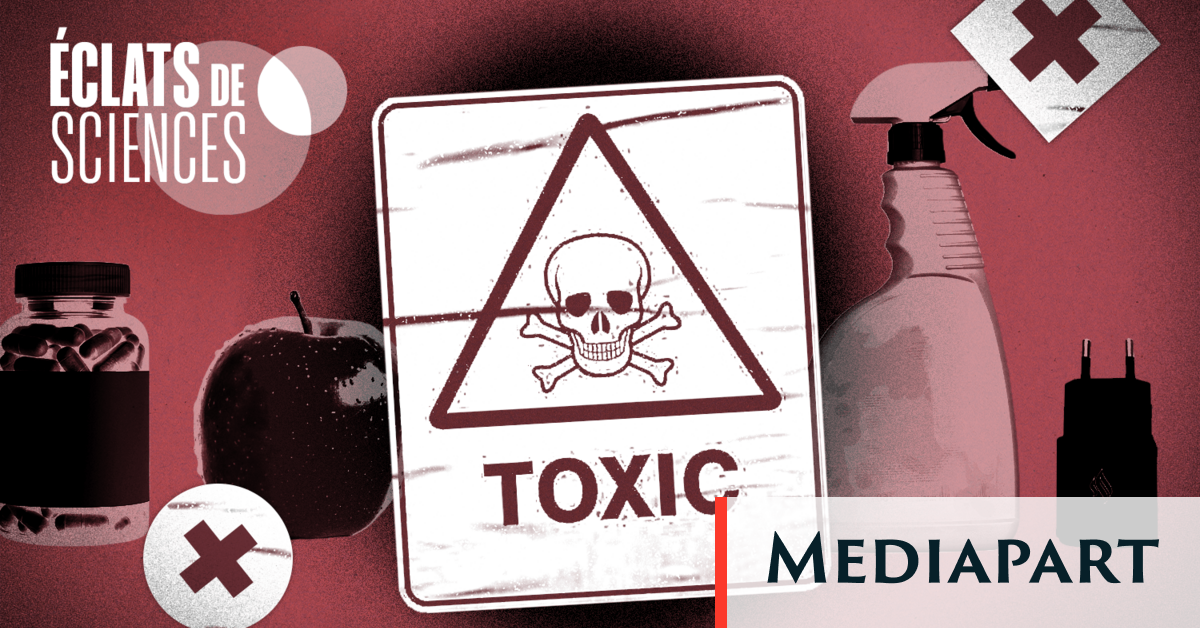
As we navigate an era defined by rapid industrial innovation, the sheer volume of synthetic chemicals entering our global ecosystem has reached a critical juncture. From the products we use in our homes to the agricultural runoff entering our water tables, the proliferation of new chemical substances is outpacing our current regulatory frameworks and toxicological assessment capabilities. As a physician, I see the human cost of this chemical complexity in the increasing burden of endocrine-related disorders and chronic health issues, yet the scientific community is often left playing a game of catch-up with an ever-expanding list of molecular compounds.
The challenge of managing synthetic chemical exposure lies not just in the quantity of new substances being synthesized, but in the “cocktail effect”—the reality that humans and wildlife are rarely exposed to just one chemical at a time. Instead, we are subjected to a complex mixture of substances that may interact in ways we are only beginning to understand. Regulatory bodies, such as the European Chemicals Agency (ECHA), are tasked with the gargantuan effort of evaluating these substances under the REACH regulation, yet the backlog remains significant as thousands of new molecules are registered for industrial and consumer use each year.
According to the latest data from the European Chemicals Agency (ECHA), the Registration, Evaluation, Authorisation and Restriction of Chemicals (REACH) regulation remains the cornerstone of chemical safety in the EU, mandating that industry must identify and manage the risks linked to the substances they manufacture and market. However, the scientific consensus is shifting; we are recognizing that legacy testing models—which often look at chemicals in isolation—may fail to account for the cumulative, low-dose impacts that define our modern environmental reality.
The Scientific Hurdle: Mapping the ‘Cocktail Effect’
The core of the issue is the sheer scale of the chemical universe. The Chemical Abstracts Service (CAS) registry now contains over 250 million unique organic and inorganic substances, a figure that continues to climb daily. For toxicologists, the difficulty is not merely identifying these molecules, but understanding their long-term physiological impact at concentrations that were previously considered “negligible.”
Recent research published in journals such as Environmental Health Perspectives has highlighted that many synthetic molecules act as endocrine disruptors, potentially interfering with hormonal signaling pathways at extremely low levels. This is a departure from traditional toxicology, which largely operated on the premise that “the dose makes the poison.” When dealing with endocrine-disrupting chemicals (EDCs), the timing of exposure—particularly during fetal development or early childhood—often matters more than the absolute volume of the chemical present. The World Health Organization (WHO) has officially recognized that these exposures present a global health concern, necessitating a more integrated, precautionary approach to chemical policy.
This scientific bottleneck creates a tension between innovation and safety. While industry advocates argue that strict, slow-moving regulations stifle technological progress, public health experts emphasize that the precautionary principle must take precedence when the long-term health consequences of novel chemical mixtures remain unknown or under-researched. The reality is that the pace of molecular creation in laboratories far exceeds the pace of longitudinal epidemiological study.
Regulatory Evolution: From REACH to the Green Deal
In Europe, the response to this challenge is increasingly tied to the European Green Deal and the associated Chemicals Strategy for Sustainability. The goal is to move toward a “toxic-free environment,” a monumental policy shift that seeks to simplify the regulatory process while tightening restrictions on the most hazardous substances, such as PFAS (per- and polyfluoroalkyl substances), often referred to as “forever chemicals.”
The European Commission’s Chemicals Strategy for Sustainability, launched in October 2020, outlines a roadmap to better protect citizens and the environment while boosting innovation for safe and sustainable chemicals. A key pillar of this strategy is the “one substance, one assessment” process, which aims to streamline scientific evaluations across different pieces of legislation, ensuring that if a chemical is deemed harmful for one use, that evidence is leveraged across all regulatory domains.
Despite these efforts, the global nature of trade means that chemicals regulated in one region often remain in use elsewhere. For the average consumer, this translates to a persistent uncertainty regarding the safety of everyday items, from food packaging to textiles. The burden of proof is gradually shifting, but the transition remains slow, leaving many to wonder what happens when the science finally catches up to the reality of our chemical footprint.
What This Means for Public Health
For the public, the takeaway is not to succumb to “chemical alarmism,” but to embrace informed caution. As we wait for regulatory systems to harmonize and for testing methodologies to incorporate the realities of mixture toxicity, there are steps individuals can take to reduce their personal chemical burden. This includes opting for products with third-party environmental certifications, reducing the use of single-use plastics where possible, and staying informed through official portals like the European Environment Agency (EEA), which provides comprehensive reports on the state of the environment and chemical exposure across the continent.

The scientific community is currently pivoting toward “New Approach Methodologies” (NAMs)—such as organ-on-a-chip technology and high-throughput computer modeling—to replace traditional animal testing. These methods promise to speed up the assessment of new molecules significantly. However, until these technologies are fully validated and integrated into international law, the gap between the number of molecules in existence and our understanding of their safety will remain a primary focus of global public health policy.
Looking ahead, we are tracking the upcoming 2025 updates to the EU’s REACH registration requirements, which are expected to place greater emphasis on endocrine disruption data. As this landscape evolves, we will continue to provide updates on how these policy shifts translate into real-world safety improvements. We invite you to share your thoughts on how we balance industrial progress with public health—join the conversation in the comments section below.
Keep reading