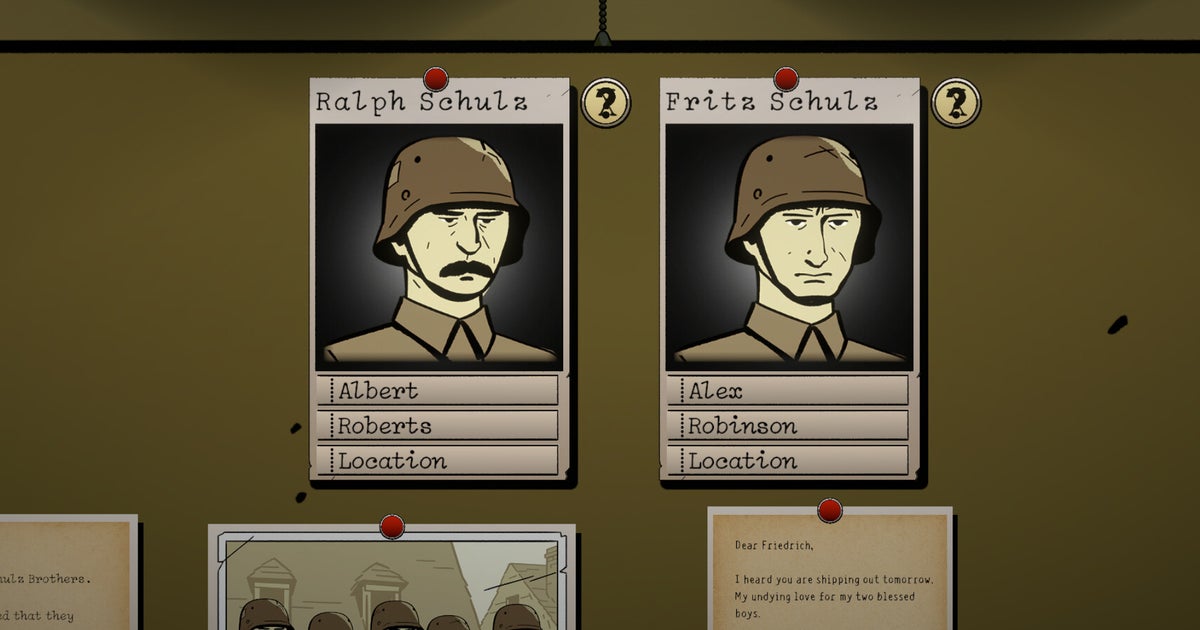
The chilling premise of Owlskip Games’ upcoming detective thriller, The Ratline, immediately grabs your attention: a murdered priest, a clandestine list and the daunting task of tracking down Nazi war criminals who escaped justice decades ago. The game, set in 1971, plunges players into a world of hidden identities and Cold War intrigue, and a recently released demo during Steam Next Fest offers a compelling glimpse into its unique investigative mechanics. The Ratline distinguishes itself from other detective games by focusing on the meticulous process of uncovering the new lives built by those who sought to evade accountability for their past actions.
Developed by the team behind critically acclaimed narrative games like Family, Rivals, Echo Beach, and Riley & Rochelle, The Ratline isn’t about solving a single murder, but rather unraveling a network of deception. Players assume the role of Saul Perlman, a detective tasked with identifying individuals on a list recovered from the priest’s possession – a list detailing Nazi fugitives who utilized a secret escape route known as “The Ratline” to flee Europe after World War II. The game’s core gameplay revolves around analyzing fragmented evidence, deciphering codes, and interpreting subtle clues to pinpoint the current identities and locations of these individuals. Owlskip Games has announced that the full game will launch on Mac and PC via Steam on March 17, 2026, following its playable demo during Steam Next Fest.
Unearthing Hidden Identities: A Unique Detective Experience
Unlike many detective games that emphasize dramatic crime scenes and immediate motives, The Ratline adopts a more grounded and analytical approach. The demo immediately throws you into the investigation, presenting a collection of names and scant details about the individuals you’re tasked with finding. The gameplay isn’t about collecting fingerprints or interrogating suspects in the traditional sense; it’s about piecing together a puzzle of fragmented information – documents, photographs, and coded messages – to determine the aliases, current whereabouts, and physical appearances of these former Nazis. Are they living under assumed names in Canada, running a small business in London, or blending into the crowd at a wedding? The game challenges players to think critically and connect seemingly disparate pieces of evidence to reveal the truth.
This focus on deduction and analysis draws comparisons to other critically acclaimed titles in the genre, such as Return of the Obra Dinn, a game lauded for its innovative approach to mystery-solving. As noted by the game’s Steam description, Lucas Pope, the creator of Return of the Obra Dinn, is quoted, further solidifying the connection. The developers at Owlskip Games appear to be part of a growing community of game designers who prioritize player logic and observation over hand-holding and explicit guidance. While optional hints are available, the game encourages players to rely on their own deductive reasoning to solve each case.
Evolving Investigative Mechanics and a Grounded Tone
The Ratline isn’t a static experience. The developers have implemented evolving investigative mechanics throughout the game, ensuring that each case presents a unique set of challenges. Rather than relying on a single puzzle type, players will encounter new methods of gathering and analyzing evidence as they progress. This design choice, inspired by games like The Case of the Golden Idol and Type Help, keeps the gameplay fresh and engaging. The game’s commitment to pure deduction, without relying on excessive hand-holding, sets it apart from many contemporary detective titles.
The game’s atmosphere is also noteworthy. While many noir-inspired detective games lean heavily into dramatic lighting and over-the-top dialogue, The Ratline adopts a more subdued and realistic tone. The inclusion of ambient sounds, such as gentle rain, and a smooth jazz soundtrack contribute to the immersive experience, but the game avoids sensationalism, which feels appropriate given the sensitive subject matter. This grounded approach allows the weight of the investigation – the pursuit of individuals who committed horrific crimes – to resonate more powerfully with the player.
Practical Considerations and User Interface
The demo showcases a user interface that prioritizes functionality and ease of use. The process of sorting through notes and photographs is surprisingly satisfying, and the game’s phone interface is particularly well-designed. Players can access a virtual rolodex to look up phone numbers and then use a clear, chunky keypad to dial. However, the demo does reveal a minor limitation: the investigation board can only accommodate eight pieces of evidence at a time. In longer cases, this can be restrictive, forcing players to carefully manage their inventory and potentially overlook crucial details. Addressing this limitation in the full release could further enhance the gameplay experience.
The Historical Context of “The Ratline”
The term “The Ratline” refers to a network of escape routes used by Nazi officials and collaborators to flee Europe after World War II, primarily to South America. These routes were often facilitated by sympathetic individuals within the Catholic Church and other organizations. According to the United States Holocaust Memorial Museum, several key figures, including Bishop Alois Hudal, an Austrian Catholic bishop, actively assisted in the escape of Nazi criminals. USHMM: Ratlines The historical reality of these escape routes and the individuals who benefited from them is a dark and complex chapter of post-war history, and The Ratline appears to grapple with this history in a thoughtful and nuanced way.
The game’s setting in 1971 is also significant. By the early 1970s, many Nazi fugitives had already established new lives in various countries around the world. The pursuit of these individuals was often hampered by political obstacles, jurisdictional issues, and a lack of international cooperation. The Ratline captures this sense of frustration and the challenges faced by those who sought to bring these criminals to justice.
The Steam Next Fest demo provides a compelling introduction to The Ratline, showcasing its unique gameplay mechanics, grounded tone, and intriguing premise. The game’s focus on deduction, evolving investigative methods, and historical context sets it apart from other detective titles. While the limited investigation board space is a minor drawback, the overall experience is engaging and thought-provoking. For players who enjoy challenging puzzles, historical mysteries, and a more realistic approach to detective work, The Ratline is definitely worth adding to their wishlist.
The Ratline is scheduled for full release on March 17, 2026, on Steam. Players can download the demo now and experience the thrill of the hunt firsthand. The developers at Owlskip Games continue to refine the game based on player feedback, and further updates are expected before the official launch.
What are your thoughts on the premise of The Ratline? Do you enjoy detective games that prioritize deduction and analysis? Share your comments and opinions below!
Related reading