

A new docuseries titled The Real Wolf of Wall Street aims to provide a factual accounting of Jordan Belfort’s career, focusing on the discrepancy between the dramatized events depicted in Martin Scorsese’s 2013 film and the legal reality of his financial crimes. The production intends to shift the narrative from the cinematic portrayal of excess to the specific fraud that led to Belfort’s conviction, restitution orders, and subsequent time in federal prison.
Jordan Belfort, the former stockbroker who founded the brokerage firm Stratton Oakmont, pleaded guilty to securities fraud and money laundering in 1999. According to court records from the U.S. District Court for the Eastern District of New York, Belfort was ordered to pay $110.4 million in restitution to the victims of his pump-and-dump schemes. The upcoming docuseries seeks to examine the mechanics of these operations, which involved manipulating stock prices to defraud investors, a process that federal prosecutors described as a sophisticated criminal enterprise.
The Legal Reality Behind the Cinematic Portrayal
While the 2013 film The Wolf of Wall Street achieved significant commercial success and garnered five Academy Award nominations, it was frequently criticized for prioritizing the spectacle of Belfort’s lifestyle over the impact on his victims. The new docuseries shifts the focus toward the investigative efforts of the Federal Bureau of Investigation (FBI) and the Securities and Exchange Commission (SEC), which spent years documenting the firm’s illegal activities.
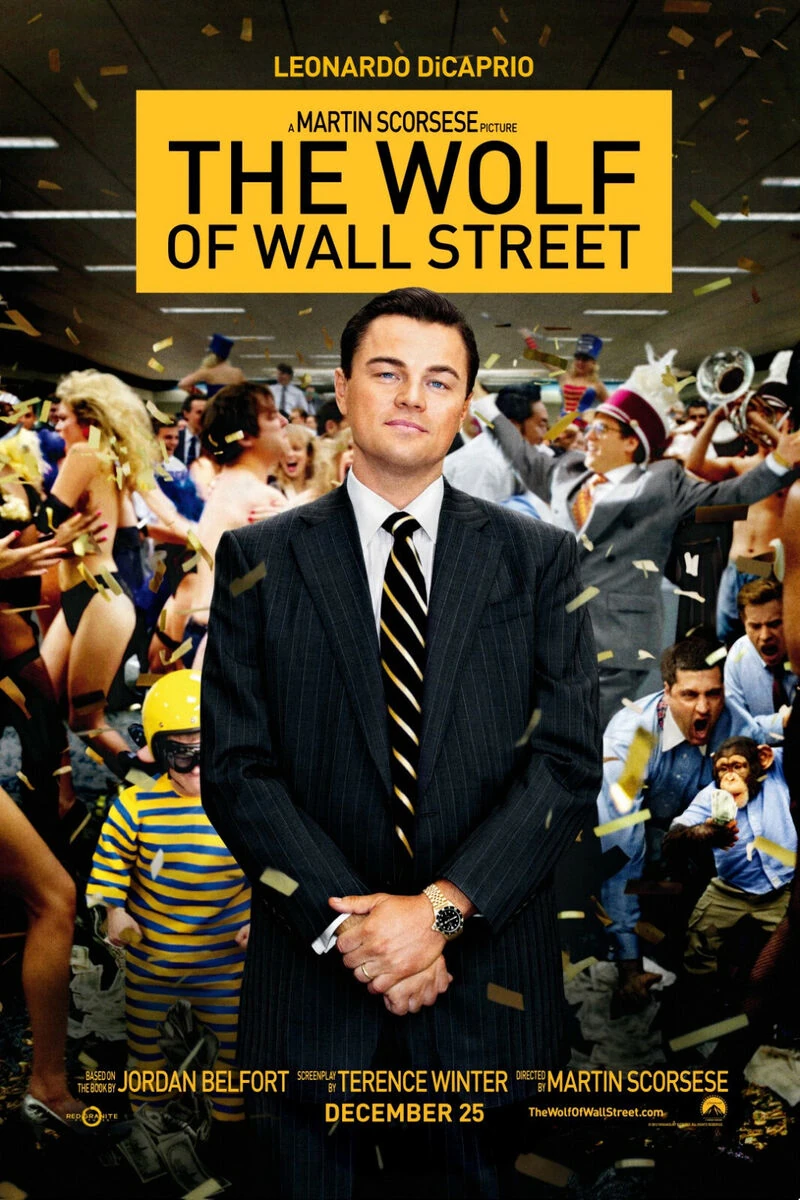
The core of the case against Belfort rested on his management of Stratton Oakmont, a firm that operated out of Long Island, New York. Prosecutors established that the firm used “boiler room” tactics to inflate the prices of micro-cap stocks, which were then sold to unsuspecting investors. As documented in the original indictment and plea agreement, the firm’s practices resulted in massive losses for thousands of individuals, many of whom were retail investors who lost their life savings. The docuseries includes interviews with former associates and investigators who were involved in the original probe, offering a perspective that differentiates between the Hollywood depiction of “Wolf” and the legal findings of the U.S. Department of Justice.
Restitution and the Ongoing Financial Obligations
A central theme of the new series is the status of the $110.4 million restitution order. Belfort’s financial obligations have remained a point of public and legal contention for over two decades. In 2013, federal prosecutors filed a motion in the U.S. District Court for the Eastern District of New York, alleging that Belfort had failed to meet his payment obligations and had diverted funds that should have been directed toward his victims.

The legal framework for this restitution is governed by the Mandatory Victims Restitution Act (MVRA), which dictates how federal courts manage compensation for victims of fraud. The docuseries addresses the complexities of this recovery process, including the challenges faced by victims in receiving their court-ordered payments. According to filings from the Department of Justice, the collection process is ongoing, and the series provides a breakdown of the total amounts recovered versus the outstanding balance owed to the individuals defrauded by the Stratton Oakmont operation.
The Role of Investigative Journalism in Financial Crimes
The production of The Real Wolf of Wall Street highlights a broader trend in media: the re-examination of “white-collar” criminals whose stories were previously filtered through the lens of entertainment. By centering the experiences of those affected by the fraud, the series aligns with contemporary efforts to provide accountability for financial misconduct.
The project utilizes archival footage and interviews to contrast the public persona Belfort cultivated during the 1990s with the testimony provided in court. This approach allows viewers to understand the systemic nature of the fraud, which relied on a network of brokers and shell companies to evade regulatory oversight. The series also examines the role of the SEC in identifying the red flags that eventually led to the firm’s closure. For those interested in the official record of the case, the U.S. Attorney’s Office for the Eastern District of New York maintains public archives detailing the charges against Belfort and his co-conspirators, which serve as the primary source material for the factual claims presented in the new series.

As the series prepares for its wide release, interest remains high regarding the current activities of those involved in the original Stratton Oakmont scandal. There are no pending criminal trials related to these specific charges, as the original legal proceedings concluded with convictions and sentencing in the late 1990s and early 2000s. The next official updates regarding the restitution fund typically appear in periodic status reports filed by the U.S. Attorney’s Office. Readers who wish to follow the details of the case or monitor any updates regarding victim compensation are encouraged to review the official filings provided by the federal court system.
What are your thoughts on how modern media is re-evaluating the stories of past financial crimes? Share your perspective in the comments section below.