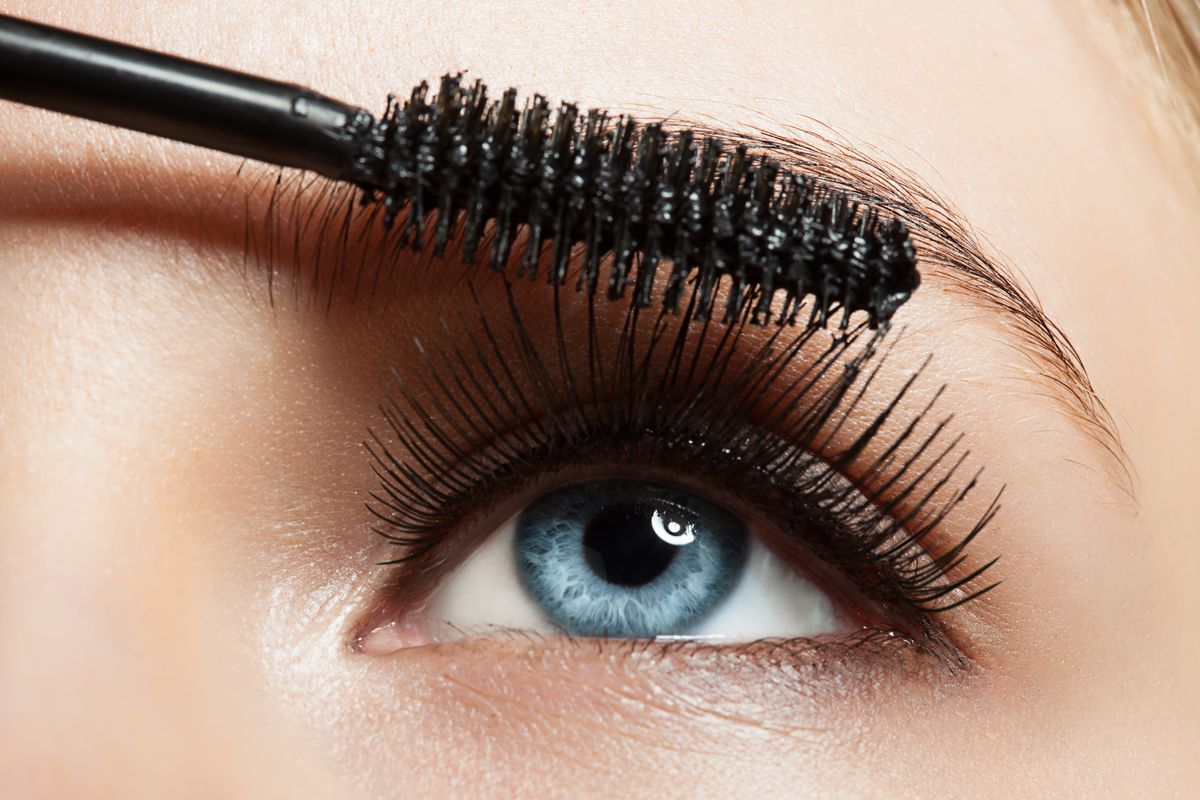
For nearly a decade, the global aesthetic landscape was defined by a pursuit of dramatic transformation. It was an era of “filler parties” and sharpened cheekbones, where the goal was often an obvious, sculpted appear. However, a significant shift is occurring in dermatology and skincare. Patients are increasingly moving away from artificial, overfilled appearances in favor of treatments that refresh the skin while preserving individual character.
This transition marks the rise of regenerative beauty, an approach that prioritizes the health and function of the skin over the simple addition of volume. Rather than masking the signs of aging with synthetic fillers, regenerative aesthetics leverage the body’s own biological mechanisms to restore and repair tissues from within.
As a physician and health journalist, I have observed this evolution from a clinical perspective. The movement is not merely a trend in fashion but a reflection of a deeper understanding of regenerative medicine—a field originally designed to treat chronic diseases—now being applied to dermatological care to slow the effects of aging through natural synthesis.
The Shift from Filling to Fixing
The appetite for high-volume dermal fillers has waned as the risks of “overfilling” become more apparent. High-profile shifts in aesthetic preferences, such as Kylie Jenner dissolving her filler to achieve a softer look, have influenced a global trend toward subtle enhancement. According to Consultant Dermatologist Dr. Derrick Phillips, the current aesthetic priority is focused on good skin quality and subtle refinement rather than dramatic, artificial change Marie Claire UK.
Beyond the visual preference for naturalism, medical concerns have contributed to the decline of traditional fillers. While many products are marketed as temporary, research has indicated that some fillers are not broken down by the body within the expected one-to-two-year window. Dr. Phillips notes that in some instances, these substances can remain in the tissues for many years, complicating the long-term management of the skin Marie Claire UK.
The Science of Regenerative Aesthetics
Regenerative beauty is rooted in the principles of regenerative medicine. Instead of adding a foreign substance to create volume, these treatments signal the body to produce its own structural proteins. Dr. Ligia Novais, a dermatologist certified by the Brazilian Society of Dermatology (SBD), describes this as a revolutionary approach that uses the body’s own mechanisms to mitigate aging Marie Claire Nigeria.
The Role of PDRN and Exosomes
Central to this science are specific biological compounds that act as messengers for the skin. One of the most prominent is PDRN (polydeoxyribonucleotide), a DNA compound derived from salmon sperm. When used in personalized treatment protocols, PDRN and exosomes operate by signaling collagen synthesis.
This signaling process encourages the skin to regenerate its own tissue, which leads to several clinical outcomes:
- Increased Collagen Production: The stimulation of collagen synthesis improves the skin’s structural integrity.
- Tissue Regeneration: The skin is encouraged to repair itself, leading to a natural lifting effect.
- Inflammation Reduction: Regenerative treatments can help balance sensitive skin and reduce redness and itching caused by UV radiation, pollution, and stress.
- Enhanced Radiance: By improving elasticity and firmness, the skin regains a more youthful glow Marie Claire Nigeria.
Regenerative Tools: From Clinical to Topical
The application of regenerative beauty spans a spectrum from intensive clinical procedures to daily skincare regimens. While clinical treatments offer deeper tissue regeneration, the principles of regeneration are similarly being integrated into topical products.
Clinical Treatments
In a clinical setting, regenerative aesthetics include the utilize of polynucleotides, skin boosters, and fat transfer. These are designed to improve the biological environment of the skin, making it more resilient and capable of self-repair, rather than simply filling a fold or a wrinkle.
Topical Regenerative Care
The shift toward regeneration is also visible in the development of advanced serums. For example, ingredients designed to enhance skin elasticity and radiance—such as those found in the Black Tulip Regenerative Brightening Serum—aim to provide a youthful appearance without the need for invasive injections or laser treatments Marie Claire.
Comparing Traditional Fillers and Regenerative Beauty
To better understand the difference between these two approaches, It’s helpful to look at their primary mechanisms and goals.
| Feature | Traditional Dermal Fillers | Regenerative Beauty |
|---|---|---|
| Primary Goal | Immediate volume and structural change | Tissue health and self-repair |
| Mechanism | Addition of synthetic/semi-synthetic gels | Signaling collagen synthesis (e.g., PDRN) |
| Longevity | Variable. some may persist longer than intended | Long-term improvement in skin quality |
| Visual Result | Often dramatic; can look “done” if overused | Subtle, natural enhancement |
| Approach | Additive/Corrective | Restorative/Biological |
What This Means for the Future of Skincare
The move toward regenerative beauty represents a broader shift in how we perceive aging. The focus is moving away from the “erasure” of age and toward the “optimization” of skin health. By leveraging the body’s own healing power, the industry is providing safer, less invasive alternatives for those who want to maintain their individuality while improving their skin’s radiance and firmness.
For patients with sensitive skin or those wary of the long-term effects of synthetic fillers, regenerative options provide a balanced alternative. By addressing triggers such as pollution and UV radiation through biological support, these treatments offer a way to restore balance to the epidermis.
As research into exosomes and polynucleotides continues to advance, You can expect more personalized protocols that tailor regenerative treatments to an individual’s specific biological needs. The future of dermatology is not about changing how we look, but about enhancing how our skin functions.
The ongoing evolution of these treatments suggests a future where the distinction between medical dermatology and daily skincare becomes increasingly blurred, with both focusing on the biological capacity for regeneration.
World Today Journal encourages readers to consult with a board-certified dermatologist to determine which treatments are appropriate for their specific skin type and health history. We invite you to share your thoughts on the shift toward natural aesthetics in the comments below.
Related reading
- Gut Bacteria Linked to Biological Aging Rate: New Study Findings
- Water Protection: BH Vöcklabruck Issues Reminder on Slurry Fertilization Buffer Zones
- Why Do Hurricanes Stall Over Land? The Science, Explained (daybreakwire.com)
- Discover the Unique Taste of Santa Fe with Lalecheria’s Red Chile Blue Corn Biscochito Ice Cream (news-usa.today)