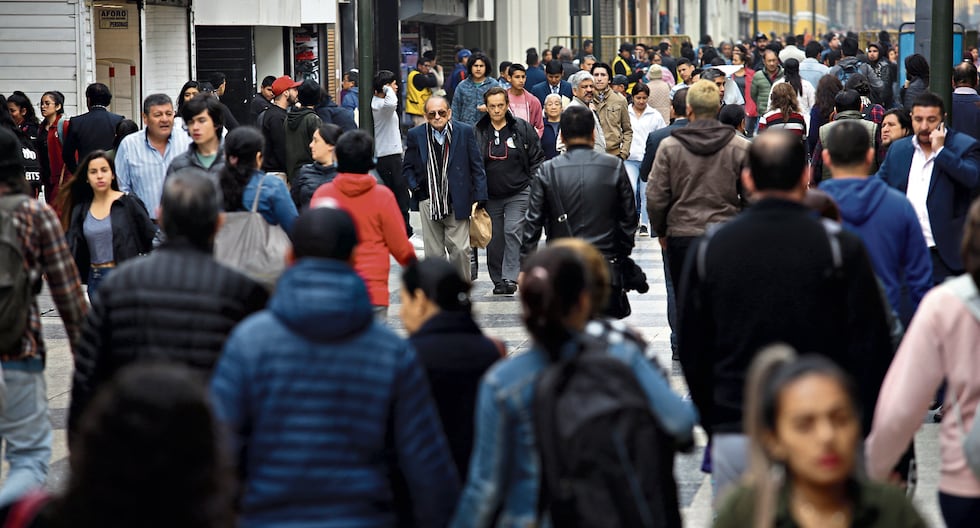
Lima, Peru — The economic foundation of Peru’s middle class has been eroded over the past seven years, with official data confirming that 1.2 million people have fallen out of this crucial economic stratum since 2019, according to the latest analysis from Peru’s Institute of Economic Research (IPE). This dramatic decline—equivalent to about 4% of the country’s total population—underscores a broader crisis affecting households across the nation, from Lima’s urban professionals to rural families dependent on agriculture and informal labor.
The shrinking middle class, once a symbol of Peru’s post-crisis recovery, now faces mounting challenges including persistent inflation that has outpaced wage growth, rising costs of essential goods and the lingering effects of the COVID-19 pandemic. Economists warn that without targeted intervention, this trend could deepen inequality and threaten Peru’s long-term economic stability.
While the middle class has historically acted as a buffer against social unrest, its contraction raises urgent questions about Peru’s economic policies, the resilience of its labor market, and whether the government’s recent measures—such as the National Development Strategy—will be enough to reverse the decline.
Why Has Peru’s Middle Class Been Shrinking?
Economic analysts point to a combination of structural and external factors contributing to the middle class exodus. The most significant drivers include:
- Inflation and rising costs: Peru’s inflation rate has remained above the central bank’s target range for three consecutive years, with food prices increasing by over 12% since 2023 according to the National Institute of Statistics (INEI). For middle-class families, this has translated into reduced purchasing power, particularly for staples like rice, cooking oil, and transportation.
- Stagnant wages: While Peru’s GDP grew by 2.8% in 2025, real wages for formal-sector workers have stagnated, with many employees seeing no increase in their take-home pay despite higher living costs. The Ministry of Labor reports that nearly 60% of middle-class households earn between $500 and $1,500 per month—a range that has become increasingly unsustainable.
- Informal labor decline: The informal economy, which employs roughly 70% of Peru’s workforce, has seen a 15% contraction since 2020 as stricter tax enforcement and the end of pandemic-era subsidies forced many small businesses to close. Middle-class families reliant on informal income—such as street vendors, domestic workers, and gig economy participants—have been disproportionately affected.
- Debt burden: Consumer debt in Peru has surged by 40% since 2019, with middle-class households borrowing heavily to cover education, healthcare, and basic necessities. The Superintendence of Banking and Insurance (SBS) warns that default rates on personal loans have risen to 8.5% in 2025, up from 5.2% pre-pandemic.
The pandemic accelerated these trends, but economists argue that the roots of the crisis predate 2020. Peru’s middle class expanded rapidly in the 2010s, driven by commodity exports and remittances from overseas workers. However, this growth was fragile, relying heavily on external factors like global copper prices and migrant labor demand in the U.S. And Spain. When these sources of income dried up, entire segments of the middle class were left vulnerable.
Who Is Most Affected?
While the middle class as a whole has shrunk, certain groups have experienced steeper declines:
- Young professionals (ages 25–34): This cohort has seen the largest exodus, with 350,000 young adults falling out of the middle class since 2019, according to IPE data. Many have been forced to return to informal work or relocate to lower-cost regions like Trujillo or Arequipa.
- Public-sector employees: Teachers, nurses, and civil servants—once stable middle-class earners—have seen their salaries eroded by inflation. The National Tax Agency (SUNAT) reports that tax revenues from middle-income earners dropped by 18% in 2025, suggesting a broader decline in disposable income.
- Rural families: In regions like Ancash and Puno, where agriculture is the primary industry, middle-class farmers have been hit by droughts, falling crop prices, and the loss of subsidy programs introduced during the pandemic.
For many families, the fall from the middle class has been abrupt. Take the case of the Rodríguez family in Lima, whose story reflects a broader trend. Carlos Rodríguez, a 42-year-old accountant, earned a stable salary of $1,200 per month until 2022. By 2025, his take-home pay had been cut to $900 after tax increases and benefit reductions. Unable to afford their mortgage, the family sold their home and moved to a smaller apartment in Lurigancho-Chosica, a district where living costs are lower but job opportunities are scarce.
“We used to send our kids to private schools. Now they go to public schools, and One can barely afford the bus fare. The middle class isn’t just about money—it’s about security. When that’s gone, everything else follows.”
—Carlos Rodríguez, Lima (as told to IPE researchers in 2025)
Government Response: Too Little, Too Late?
In response to the crisis, Peru’s government has introduced several measures, though their impact remains limited:
- Subsidy programs: The Social Programs Ministry expanded cash transfers in 2024, reaching an additional 800,000 households. However, critics argue that the $30 monthly stipend is insufficient to offset rising costs.
- Tax relief: The government temporarily reduced the VAT rate on essential goods from 18% to 12% in early 2025, but economists warn that this measure has not been sustained long enough to provide meaningful relief.
- Labor market reforms: Proposals to simplify hiring regulations for small businesses have faced resistance from labor unions, delaying implementation.
Opposition lawmakers, including those from Fuerza Popular, have accused the government of failing to address the root causes of the crisis. “This isn’t just about inflation—it’s about a structural failure to create decent-paying jobs,” said Congresswoman María Sumire in a recent interview. “The middle class is the backbone of any stable democracy. When it collapses, so does trust in institutions.”
What Happens Next?
The future of Peru’s middle class hinges on several key factors:
- Economic growth: Peru’s central bank projects 3.1% GDP growth in 2026, but analysts warn that this will not be enough to reverse the middle class decline without targeted policies. The Central Reserve Bank of Peru has signaled that further interest rate cuts may be necessary to stimulate private investment.
- Political stability: Peru has seen five presidents in six years, creating an environment of policy uncertainty. The upcoming 2026 general elections could bring much-needed stability—or further disruption, depending on the outcome.
- Global commodity prices: Copper and gold exports account for nearly 60% of Peru’s merchandise trade. A sustained recovery in these markets could provide a lifeline for middle-class families dependent on remittances and export-related jobs.
The next critical checkpoint will be the release of the 2026 National Household Survey (ENAHO), scheduled for October 15, 2026. This report will provide updated data on income distribution, poverty levels, and middle-class trends, offering a clearer picture of whether the current trajectory is reversible.
Key Takeaways
- 1.2 million Peruvians have fallen out of the middle class since 2019, equivalent to about 4% of the population.
- Inflation and stagnant wages are the primary drivers, with food prices up 12% since 2023 and real wages stagnant.
- Young professionals and public-sector employees have been hardest hit, with 350,000 young adults leaving the middle class.
- Government subsidies and tax relief have had limited impact, with critics calling for structural reforms.
- The 2026 elections and global commodity prices will be decisive in determining whether the trend reverses.
As Peru grapples with this economic challenge, the story of its middle class serves as a cautionary tale about the fragility of prosperity. For families like the Rodríguezes, the question is no longer whether they will recover—but how soon, and at what cost.
What are your experiences with economic changes in Peru? Share your thoughts in the comments below, and follow World Today Journal for ongoing coverage of this developing story.