
The recent news regarding the MV Hondius cruise ship has sent a wave of anxiety through international communities. As passengers are repatriated and placed under strict quarantine following exposure to the Andes virus, a familiar and heavy question has resurfaced in the public consciousness: Could this be the precursor to another global pandemic?
While the situation is being monitored with high vigilance by global health officials, infectious disease experts are working to clarify a fundamental point to the public. Although the current outbreak is serious and requires a cautious response, the biological and transmission characteristics of the Andes virus are fundamentally different from the SARS-CoV-2 virus that triggered the COVID-19 pandemic.
As we track the movements of those affected and the ongoing investigations into the outbreak’s origin, it is essential to distinguish between the mechanics of a rodent-borne hantavirus and a highly contagious respiratory coronavirus.
The MV Hondius Outbreak: Current Status and Response
The outbreak aboard the MV Hondius has unfolded over several weeks, with laboratory confirmation of the virus following the initial reported deaths. According to reports from health authorities, the situation involves a total of nine cases linked to the vessel, consisting of seven confirmed cases and two probable cases. Tragically, three deaths have been reported in connection with the outbreak.
The response to the outbreak has involved large-scale repatriation efforts to ensure all potentially exposed individuals are monitored. Passengers and crew members—totaling approximately 147 people—were scheduled for repatriation to their home countries, including Germany, France, and Australia. Most recently, the final passengers from the vessel were flown to the Netherlands.
In Australia, specific protocols are in place for those arriving from the ship. Five Australians and one New Zealander are being repatriated to Australia for mandatory quarantine, and monitoring. These individuals will initially be held at the Centre for National Resilience near RAAF Base Pearce in Western Australia to prevent any potential community spread.
Understanding the Andes Virus and Hantavirus Pulmonary Syndrome
To understand the current risk, one must first understand the nature of the pathogen. Hantaviruses are a family of viruses typically carried by rodents, such as mice and rats. The primary mode of infection for humans is not typically through direct contact with another person, but through the inhalation of tiny particles of contaminated rodent urine, droppings, or saliva.
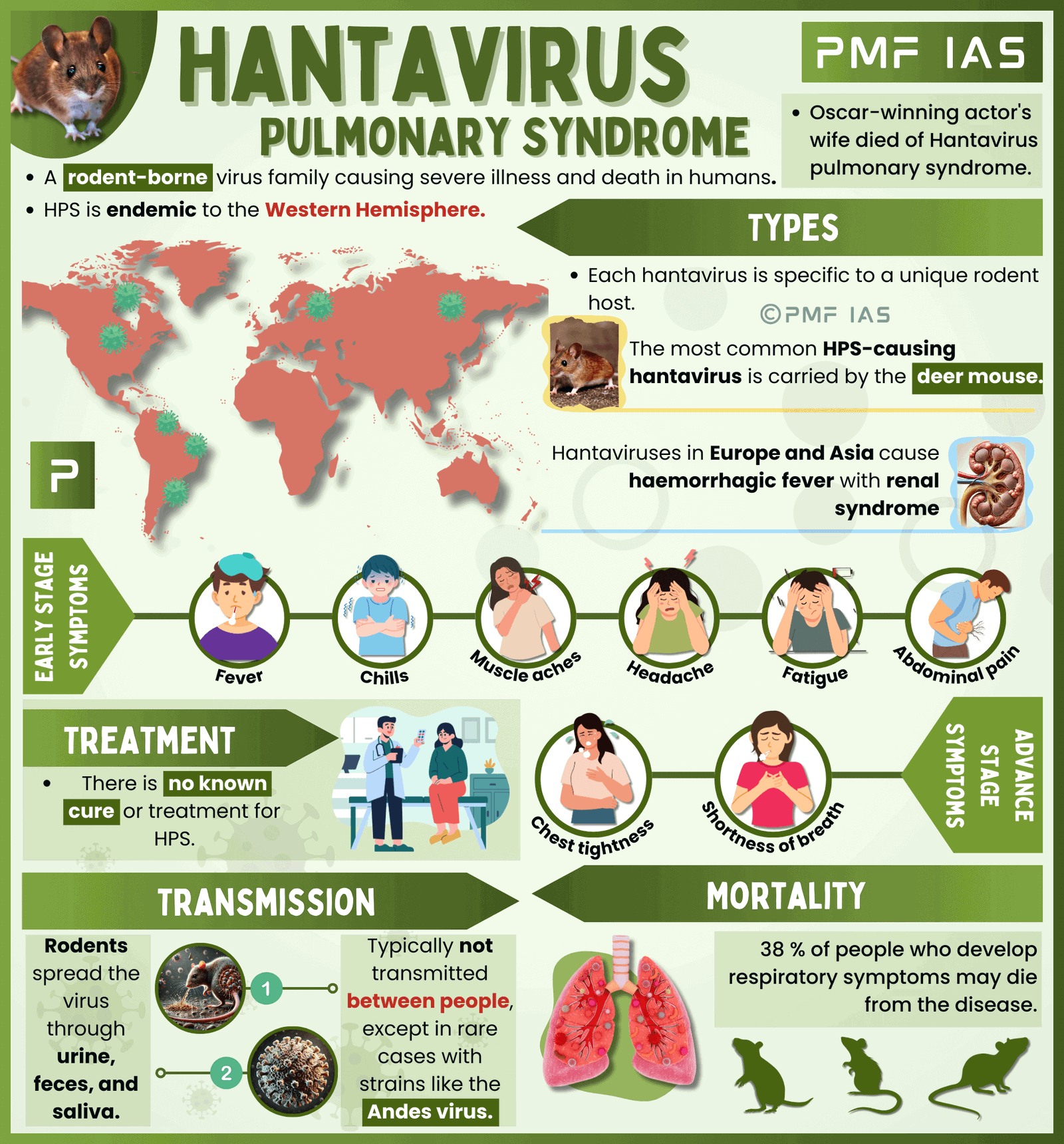
When a person inhales these aerosolized particles, the virus can lead to a severe respiratory condition known as Hantavirus Pulmonary Syndrome (HPS). While many hantaviruses in Europe and Asia result in mortality rates between 1% and 15%, American strains—including the Andes virus—can be significantly more severe, with mortality rates reaching as high as 50% in some instances.
The Andes virus is notable within the hantavirus family because it is the only strain with well-documented person-to-person transmission. However, experts emphasize that this transmission is not as efficient as that of a respiratory virus like COVID-19. Human-to-human spread typically requires very close contact, such as within a household, among caregivers, or through prolonged exposure in crowded, poorly ventilated indoor environments.
Why Experts Say This is Not “The Next COVID”
The comparison between hantavirus and COVID-19 is a primary source of public concern, but health leaders are moving quickly to provide context. Tedros Adhanom Ghebreyesus, the Director-General of the World Health Organization (WHO), addressed these fears directly in a statement, emphasizing that the current public health risk remains low.
“I need you to hear me clearly: this is not another COVID. The current public health risk from hantavirus remains low. My colleagues and I have said this unequivocally, and I will say it again to you now.”
The distinction lies in how the viruses behave in a population. The SARS-CoV-2 coronavirus was a novel pathogen in 2019, meaning the world had no prior immunity, no established treatment protocols, and no understanding of its rapid spread. In contrast, hantavirus has been known to the medical community since 1993, allowing for established diagnostic and distancing protocols.
Roman Wölfel, head of the Bundeswehr Institute of Microbiology, noted that while hantaviruses can be transmitted from person to person, they do so “far less easily and only through very close contact” compared to coronaviruses. This fundamental difference in transmissibility is why health authorities do not currently view the Andes virus as a candidate for a global pandemic.
Comparison: Hantavirus vs. COVID-19
To assist in understanding the clinical and epidemiological differences, the following table summarizes the key distinctions between the Andes virus and the virus that caused COVID-19.
| Feature | Andes Virus (Hantavirus) | SARS-CoV-2 (COVID-19) |
|---|---|---|
| Primary Reservoir | Rodents (mice, rats, etc.) | Humans |
| Primary Transmission | Inhalation of rodent excreta particles | Respiratory droplets and aerosols |
| Person-to-Person Spread | Uncommon; requires very close contact | Highly efficient and widespread |
| Scientific Recognition | Known since 1993 | Emerging in 2019 |
| Current Global Risk | Low (localized outbreaks) | High (pandemic potential) |
Looking Ahead
As researchers race to track the origin of the outbreak, the focus remains on the health and monitoring of the repatriated passengers. Authorities continue to manage quarantines and ensure access to medical facilities for those potentially exposed. The next critical checkpoint will be the release of updated laboratory results regarding the remaining probable cases and the findings of the ongoing epidemiological investigation into how the virus entered the MV Hondius environment.
For more updates on global health developments and infectious disease tracking, please subscribe to our newsletter and share this article with your network.