
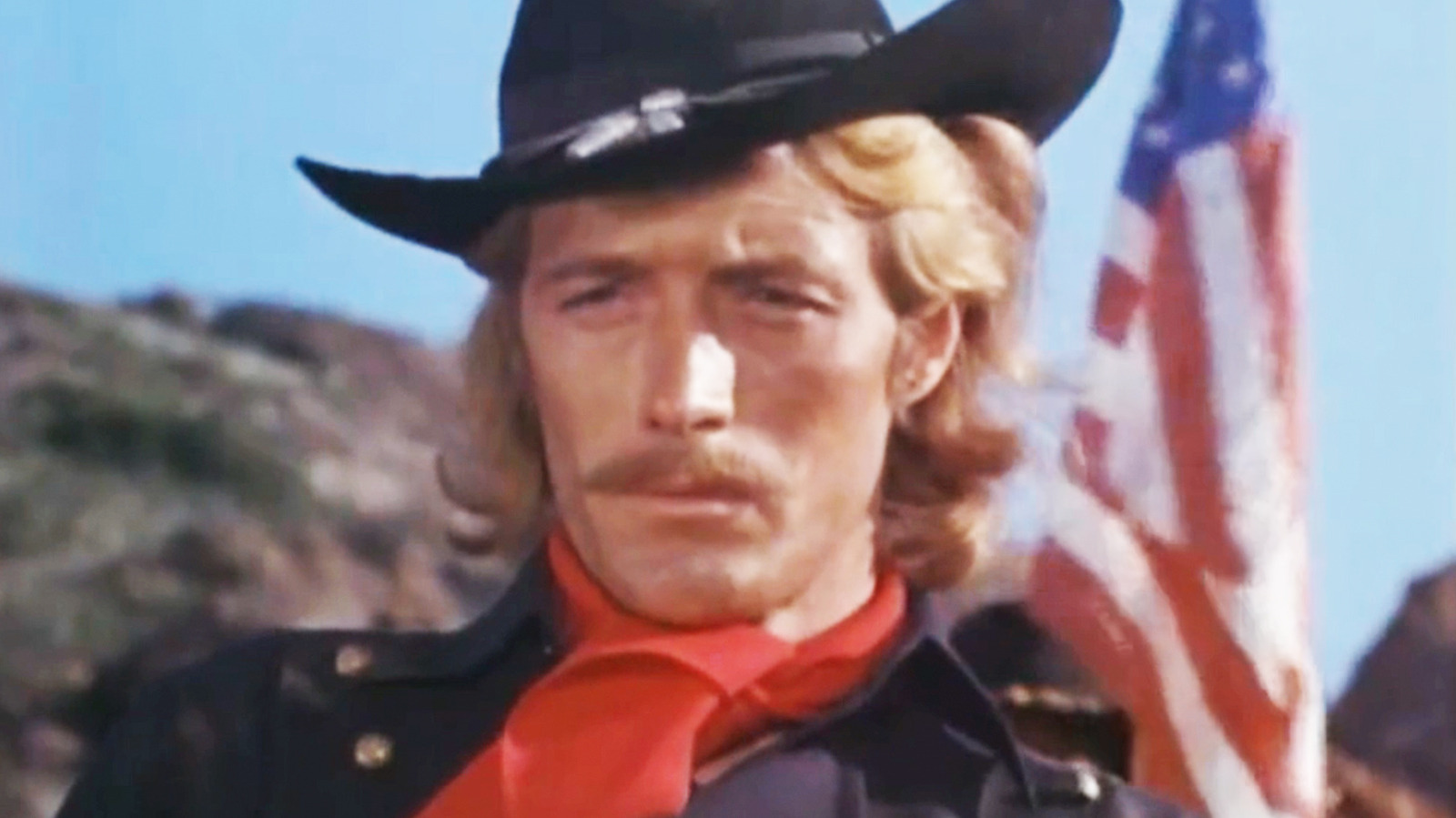
Public outcry surrounding the 1960s Western television series Custer began long before the program reached the airwaves, as Native American organizations and historical groups mobilized to protest the show’s planned depiction of George Armstrong Custer. The series, which debuted on ABC in September 1967, faced significant backlash due to concerns that it would glorify a controversial military figure and present a distorted version of the American West, according to reports from the period preserved in archives like the Los Angeles Times.
The controversy serves as a historical case study in how television programming choices during the mid-20th century began to clash with shifting public sensitivities. While the Western genre was a dominant force in American entertainment at the time, the decision to build an entire series around the commander of the 7th Cavalry Regiment—an individual deeply polarizing due to his actions at the Battle of the Little Bighorn—drew immediate scrutiny from civil rights advocates and tribal leaders.
The Origins of the Controversy
The primary objection to Custer was the perceived historical revisionism of the series. By framing Custer as a heroic figure, critics argued that the network was willfully ignoring the devastating impact of his military campaigns on Indigenous peoples. According to historical accounts from the Smithsonian Magazine, the late 1960s were a period of heightened awareness regarding the civil rights movement and the treatment of minority groups, creating an environment where such portrayals were increasingly viewed as insensitive.

Native American organizations expressed their opposition early in the production cycle. These groups, including representatives from various tribal councils, contacted ABC executives to voice their concerns that the series would perpetuate harmful stereotypes and provide a sanitized, inaccurate portrayal of the Indian Wars. The network, however, proceeded with the production, citing the popularity of Westerns as a reliable draw for prime-time audiences.
Production and Broadcast Challenges
The series starred Wayne Maunder as the titular character. Despite the high production values typical of mid-60s network television, the show struggled to gain traction with both viewers and advertisers. The negative publicity surrounding its premise created a difficult environment for the series to succeed. According to records from the New York Times, the protests were not merely localized but represented a coordinated pushback that eventually influenced the show’s viability.

The intense scrutiny contributed to the show’s short lifespan. Because the production was under a microscope from the moment it was announced, every creative choice made by the writers and directors was evaluated against the backdrop of the initial protests. The combination of poor ratings and the ongoing public relations battle made it difficult for ABC to justify the show’s continued existence.
The Legacy of the Series
Custer was canceled after only 17 episodes, concluding its run in December 1967. The rapid cancellation of the show is often cited by media historians as an early example of how public pressure could impact network programming decisions. While Westerns remained a staple of television for several more years, the failure of Custer highlighted the risks of ignoring cultural sensitivities when adapting historical figures for entertainment.
The discourse surrounding the series underscored a broader shift in how American media approached the depiction of the frontier. As noted by the Library of Congress, the tension between historical accuracy and dramatic license has remained a central theme in Western storytelling. The protests of 1967 provided a blueprint for how organized advocacy could challenge the narratives presented by major media conglomerates.
Today, the program is largely remembered as a footnote in television history, illustrating a time when the industry was forced to reckon with the moral weight of its content. For those interested in the history of television and its impact on social discourse, the archives of the Television Academy offer further insights into the evolution of programming standards. As the media landscape continues to evolve, the story of Custer serves as a reminder of the power of audience feedback in shaping the stories that reach our screens.
Readers interested in learning more about the history of the American West and its representation in media can find resources through the Little Bighorn Battlefield National Monument official records. Share your thoughts on how historical figures are portrayed in modern media in the comments below.