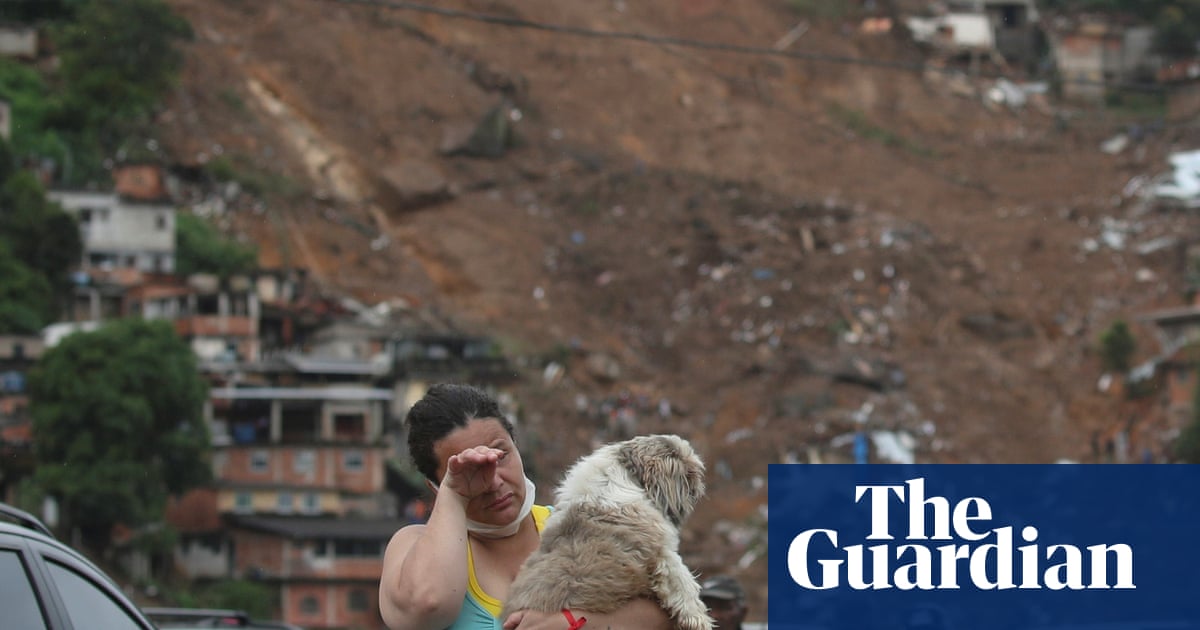
In the mountains of southeastern Brazil, a water stain on a wall has become a silent witness to tragedy. For Naira Santa Rita, that high, brown mark on her home in Petrópolis tells a story she still struggles to voice: the night floodwaters swallowed her city on February 15, 2022. Within minutes, the streets turned into torrents of mud and debris, carrying away homes, possessions, and lives. More than 230 people died that night in what was then Brazil’s deadliest climate-related disaster, according to official records from the event.
But Santa Rita’s experience is not isolated. It reflects a growing and deeply unequal pattern: when extreme weather strikes, women are often the first to suffer and the last to recover. Across the globe, climate disasters are displacing millions, yet women face unique burdens — from increased caregiving responsibilities and loss of livelihoods to heightened risks of violence and exploitation in the aftermath. This disproportionate impact has been documented in repeated disasters, including floods in Brazil’s Rio de Janeiro state, where three major events have struck within three years.
The recurrence of such catastrophes points to a worsening climate crisis. Scientists have linked intensifying rainfall patterns to global warming, which increases the atmosphere’s capacity to hold moisture and leads to more severe downpours. In Petrópolis, situated on steep slopes prone to landslides, deforestation and inadequate urban planning have worsened vulnerability. Despite early warnings issued by Brazil’s National Center for Monitoring and Alerts of Natural Disasters (Cemaden), authorities were unable to prevent the scale of loss in 2022, highlighting gaps in disaster preparedness and response.
Since then, two additional extreme weather events have tested the region’s resilience. In 2023, heavy rains triggered new flooding and landslides in parts of Rio de Janeiro state, though with lower fatalities due to improved evacuations in some areas. Then, in early 2024, historic floods ravaged Rio Grande do Sul in southern Brazil, submerging entire cities, displacing hundreds of thousands, and causing over $1 billion in damage — surpassing even the 2022 Petrópolis tragedy in scale. These back-to-back disasters have strained emergency systems and underscored the urgency of adapting to a changing climate.
Women like Santa Rita are often on the front lines of both impact and response. In the aftermath of the 2022 floods, she joined community efforts to distribute food, water, and clothing to survivors, despite having lost much of her own belongings. Her story mirrors that of countless women worldwide who become informal first responders, caregivers, and rebuilders while navigating personal trauma. Yet their leadership frequently goes unrecognized in official recovery plans, which often fail to account for gender-specific needs such as access to hygiene products, safe shelter, or mental health support.
Research confirms this imbalance. According to the United Nations High Commissioner for Refugees (UNHCR), more than 120 million people globally are forcibly displaced, with nearly half living in countries highly exposed to climate risks. In Latin America — one of the regions most vulnerable to extreme weather after Africa — an average of 2.4 million people have been displaced annually over the past decade due to climate-related events. Women in these settings frequently report barriers to accessing aid, increased domestic work, and greater exposure to gender-based violence during displacement.
Efforts to address these disparities are slowly gaining traction. International frameworks such as the Sendai Framework for Disaster Risk Reduction now emphasize the importance of gender-inclusive planning. At the national level, Brazil has begun integrating social vulnerability indices into its civil defense strategies, though implementation remains uneven. Local organizations, particularly those led by women, are filling critical gaps by providing targeted support — from setting up safe spaces in shelters to advocating for land rights and resilient housing.
Still, experts warn that without systemic change, the cycle of loss will continue. Climate projections indicate that extreme precipitation events will become more frequent in southeastern Brazil, increasing landslide and flood risks in mountainous urban areas like Petrópolis. Adaptation measures — such as reforestation of hillsides, improved drainage systems, early warning networks, and community-based evacuation plans — are essential but require sustained investment and political will.
For Santa Rita, the water mark on her wall remains a daily reminder of what was lost and what must change. “We are not just victims,” she has said in local interviews. “We are the ones who hold families together when everything else falls apart.” Her words reflect a broader truth: in the face of climate chaos, women are not only disproportionately affected — they are indispensable to survival and recovery.
The next major test will come with the rainy season later this year, when meteorological agencies will monitor for signs of renewed extreme weather. Officials from Cemaden and local civil defense units are expected to issue updated risk assessments and preparedness guidelines in the coming months. Residents in high-risk zones are urged to stay informed through official channels and participate in community drills.
As Brazil confronts another cycle of climate-driven crises, the lessons of Petrópolis are clear: saving lives means not only forecasting storms but also ensuring that those most at risk — especially women — are centered in every stage of preparation, response, and rebuilding. The world watches, and the stains on the walls remind us what is at stake.
- Cyprus Natural Gas to Supply Europe by 2028 as East Med Emerges as Energy Alternative
- Historic Low Water Levels: Germany Eases Truck Driving Bans Amid Supply Chain Crisis
- Reality Star Completes Three-Year Probation After 2023 Arrest (newsdirectory3.com)
- Young Woman Airlifted to Hospital After Three-Car Crash in Donegal (archyworldys.com)