
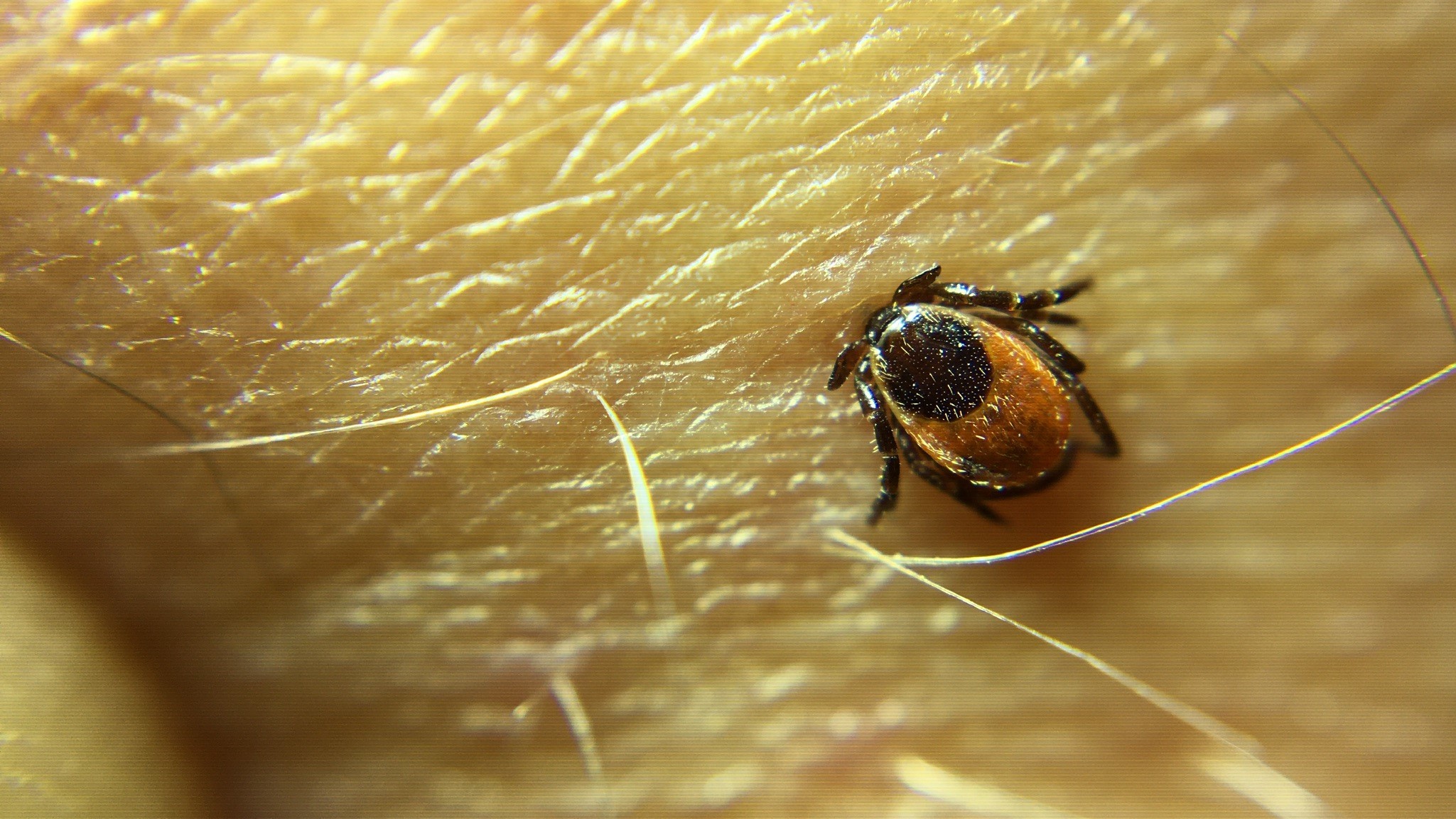
So, you got bit by a tick. Here’s exactly what to do next.
Tick season is here, and with it comes a notable increase in emergency room visits for tick bites across much of the United States. According to data from the Centers for Disease Control and Prevention (CDC), weekly rates of ER visits for tick bites are the highest for this time of year since 2017 in all regions except the South Central United States. This surge underscores the importance of knowing how to respond promptly and correctly if you locate a tick attached to your skin.
The most recent week saw 71 per 100,000 ER visits due to tick bites, compared to the average of about 30 per 100,000 for this time of year — more than double the typical rate. The Northeast is currently reporting the highest number of ER visits for tick bites, followed by the Midwest, Southeast, West, and South Central regions. These figures highlight a clear upward trend in tick activity and human exposure, prompting public health officials to urge vigilance.
If you discover an attached tick, the CDC advises removing it as soon as possible using fine-tipped tweezers. Grasp the tick as close to the skin’s surface as possible and pull upward with steady, even pressure. Avoid twisting or jerking, which can cause the mouthparts to break off and remain in the skin. If this happens, remove the remaining parts with tweezers if you can; if not, let the skin heal naturally.
After removal, thoroughly clean the bite area and your hands with rubbing alcohol, an iodine scrub, or soap and water. Dispose of the live tick by submerging it in alcohol, placing it in a sealed bag or container, wrapping it tightly in tape, or flushing it down the toilet. Never crush a tick with your fingers.
Monitor the bite site for signs of infection or illness in the days and weeks following removal. Symptoms such as fever, chills, headache, fatigue, muscle and joint aches, or a rash — particularly an expanding bull’s-eye rash associated with Lyme disease — should prompt immediate medical attention. The CDC emphasizes that removing an attached tick within 24 hours can significantly reduce the risk of Lyme disease transmission.
Prevention remains the best defense against tick bites. The CDC recommends using EPA-registered insect repellents containing DEET, picaridin, IR3535, or oil of lemon eucalyptus on exposed skin, and treating clothing and gear with products containing 0.5% permethrin. Perform full-body tick checks after spending time in grassy, brushy, or wooded areas, and shower within two hours of coming indoors to wash off unattached ticks.
Lyme disease is the most common tickborne illness in the United States, with an estimated 476,000 people diagnosed and treated each year. Other diseases transmitted by ticks include Rocky Mountain spotted fever, anaplasmosis, babesiosis, and alpha-gal syndrome, a condition linked to red meat allergy following a lone star tick bite. Early detection and treatment are critical for preventing long-term complications.
Healthcare providers across affected regions report seeing more patients with tick-related concerns than in previous years. Dr. John J. Halperin, chair of the Modern Jersey Stroke Care Advisory Panel and a member of the department of neuroscience at Atlantic Health Overlook Medical Center, noted that ticks appear to be emerging earlier and in greater numbers, contributing to increased ER visits. He urged the public not to delay seeking care if symptoms develop after a tick bite or exposure to tick habitats.
As May approaches — traditionally the peak month for ER visits due to tick bites — public health agencies continue to monitor tick activity and disease trends. The CDC’s Tick Bite Tracker provides weekly updates on ER visit rates, helping communities and individuals stay informed about regional risks. Staying vigilant, practicing preventive measures, and knowing how to respond to a bite are key steps in reducing the health impact of tick season.
For the most current guidance on tick bite prevention, removal, and symptom monitoring, visit the CDC’s official page on tickborne diseases. If you develop symptoms after a tick bite, contact your healthcare provider promptly.
Stay informed, stay protected, and share this information to help others stay safe during tick season.