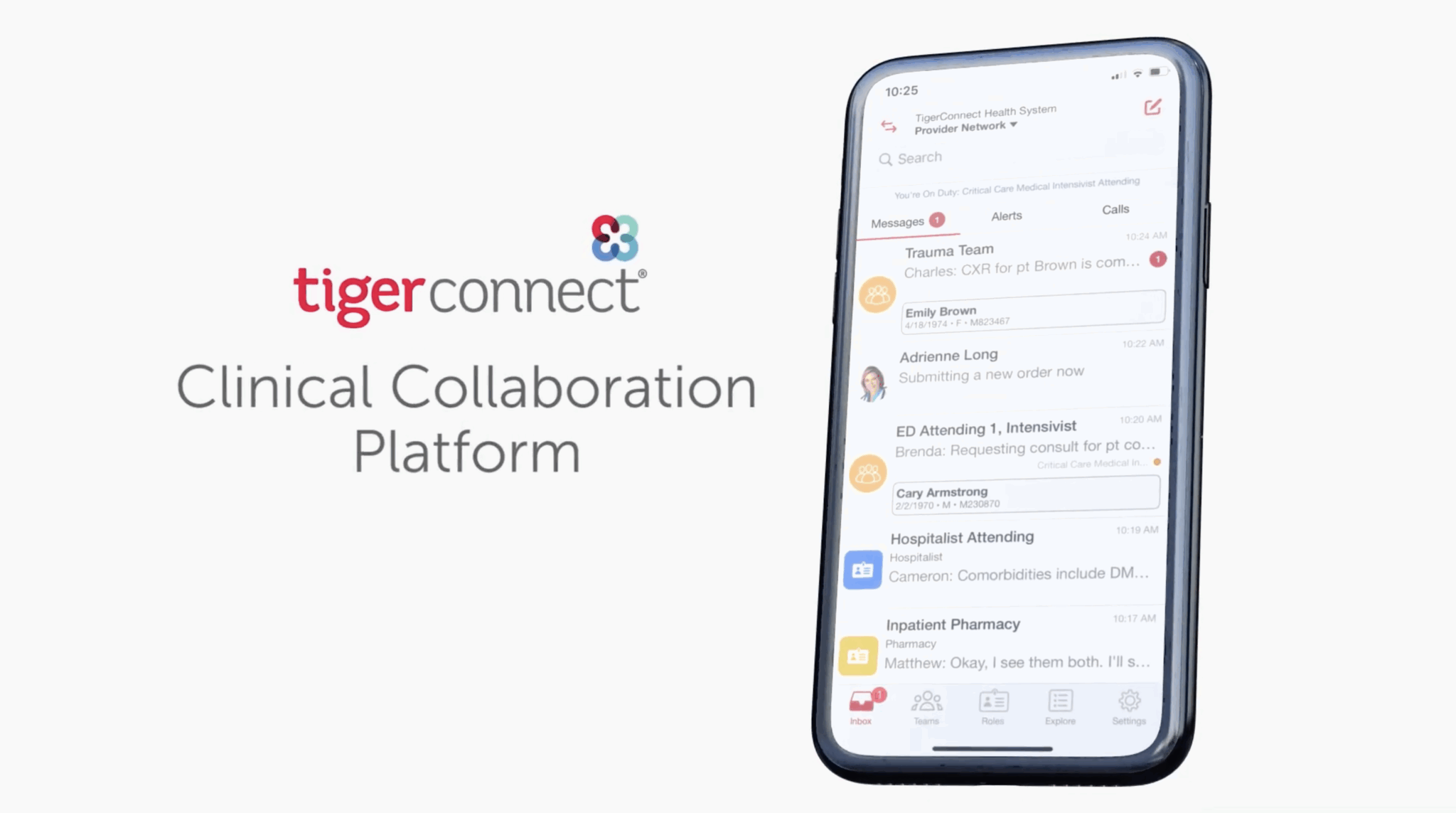
Peter Stetson has been appointed Chief Medical Information Officer (CMIO) at TigerConnect, a role he assumed in October 2025 after serving in a similar capacity at Memorial Sloan Kettering Cancer Center in New York. His transition to TigerConnect marks a significant step in the company’s strategy to deepen its clinical expertise and advance its mission of unifying healthcare communications through integrated technology platforms. As CMIO, Stetson leads the company’s clinical consulting and solution design teams, guiding product development to ensure that TigerConnect’s tools address real-world workflow challenges in hospitals and community care settings.
Stetson brings over two decades of experience as a hospitalist and informatics researcher, with more than 100 peer-reviewed publications to his name. Prior to joining TigerConnect, he served as Chief Health Informatics Officer at Memorial Sloan Kettering, where he oversaw digital health transformation, clinical systems support, and the adoption of artificial intelligence tools across the institution. His background positions him to bridge clinical insight with technological innovation, particularly in areas such as care coordination, communication routing, and clinical decision support.
TigerConnect describes itself as a provider of unified communication solutions for healthcare systems, with a focus on connecting care teams across acute and post-acute environments. The platform supports secure messaging, clinical alerts, and integration with electronic health records (EHRs), aiming to reduce delays in patient care caused by fragmented communication. In recent years, the company has expanded its capabilities through strategic acquisitions, including the purchase of eVideon, a patient engagement and in-room technology provider, and has emphasized the role of artificial intelligence in automating routine clinical workflows.
According to the company’s official announcement, Stetson’s responsibilities include advising on product strategy and leading initiatives to enhance clinical usability. He works closely with engineering and design teams to ensure that new features align with the needs of physicians, nurses, emergency medical technicians, and other frontline staff. His expertise is expected to be particularly valuable as TigerConnect continues to refine its approach to clinical communication orchestration — the process of ensuring that the right information reaches the right caregiver at the right time, based on patient context and urgency.
One of the key challenges Stetson has highlighted in public discussions involves determining where the responsibility of platforms like Epic ends and where TigerConnect begins in the clinical workflow. Electronic health record systems typically handle documentation, order entry, and longitudinal patient records, while communication platforms like TigerConnect focus on real-time coordination and alerting. The boundary between these systems remains a topic of ongoing discussion in health IT, particularly as hospitals seek to avoid alert fatigue and ensure that critical information is not lost in transit between systems.
Despite these complexities, Stetson has expressed confidence that TigerConnect’s approach remains compliant and safe within the current regulatory and technical landscape. He emphasizes that the platform is designed to complement, not replace, core clinical systems, acting as an interoperability layer that enhances existing workflows rather than duplicating or conflicting with them. This positioning is intended to reduce friction during adoption and support seamless integration into diverse IT environments.
Under Stetson’s guidance, TigerConnect has pointed to use cases such as surgical care coordination, sepsis response, and cardiac event management as areas where improved communication can lead to better outcomes and cost savings. For example, ensuring that the surgical team, anesthesiologists, and postoperative nurses are immediately alerted to changes in a patient’s status can reduce delays and prevent complications. Similarly, in time-sensitive conditions like sepsis or ST-elevation myocardial infarction (STEMI), rapid escalation of alerts to the appropriate responder can significantly impact survival rates.
The company has also noted a growing trend toward automation of clinical workflows through integration with medical devices and sensor data. By receiving real-time inputs from monitors, infusion pumps, or wearable sensors, TigerConnect aims to trigger contextual alerts that reduce the cognitive load on clinicians. This shift toward ambient intelligence and context-aware communication represents a broader industry movement toward predictive and proactive care delivery.
Stetson’s appointment reflects a broader trend in health technology companies seeking to strengthen their clinical credibility by placing experienced physicians in leadership roles. His dual background in frontline medicine and informatics allows him to speak credibly to both IT teams and practicing clinicians, facilitating collaboration between groups that often have differing priorities and perspectives. This alignment is seen as critical to driving adoption and ensuring that technology serves, rather than hinders, patient care.
As TigerConnect continues to expand its presence in the U.S. Healthcare market, the company has indicated plans to pursue further growth through both organic development and strategic partnerships. While specific financial targets or timelines have not been disclosed in publicly available sources, the addition of senior leaders like Stetson and Chief Growth Officer Sheeza Hussain signals a commitment to scaling operations while maintaining a strong clinical foundation.
For healthcare leaders evaluating communication platforms, Stetson’s insights underscore the importance of selecting tools that are not only secure and reliable but also deeply attuned to the nuances of clinical work. Effective communication technology, he suggests, must move beyond simple messaging to support complex decision-making, reduce unnecessary interruptions, and adapt to the varying needs of different care environments — from the intensive care unit to the home health setting.
Those interested in learning more about TigerConnect’s clinical initiatives or product updates can refer to the company’s official website and press releases, which are regularly updated with information about leadership changes, product launches, and customer implementations. As of the date of this article, no further public announcements regarding Stetson’s specific projects or upcoming product features have been released beyond the initial appointment details.
If you have insights or experiences with clinical communication platforms in healthcare settings, we welcome your comments below. Sharing perspectives helps foster a more informed conversation about how technology can best support patient care and care team collaboration.