
The digital landscape often moves faster than traditional news cycles, and recent viral trends have highlighted how quickly a figure can capture the public imagination. In the global sporting community, specifically within the fervent atmosphere of Argentine football, the name Tim Payne has recently surfaced in online discourse, sparking intense debate and social media engagement. As someone who monitors the intersection of digital trends and real-world impact, I have spent the last few days deconstructing the origins of this sudden digital prominence.
While social media platforms frequently amplify niche stories, it is essential to distinguish between organic community recognition and algorithmically driven hype. The current surge in interest surrounding Tim Payne—often accompanied by the “leyenda” (legend) moniker within the context of Argentine football circles—presents a fascinating case study in how modern fan culture interacts with global connectivity. However, when we look at the verified records of professional football, the narrative requires a grounded, fact-based examination to separate the digital persona from the reality of the sport.
Contextualizing the Digital Phenomenon
In the age of social media, the term “leyenda” (legend) is frequently employed with a degree of irony or hyperbole. When users tag content with #argentina and #futbolargentino, they are tapping into one of the most passionate sporting cultures in the world. Tim Payne, a professional footballer from New Zealand, has had a career primarily centered in the A-League Men, notably with the Wellington Phoenix. His professional journey—marked by his commitment to the sport in the Oceania region—is well-documented by official league records.
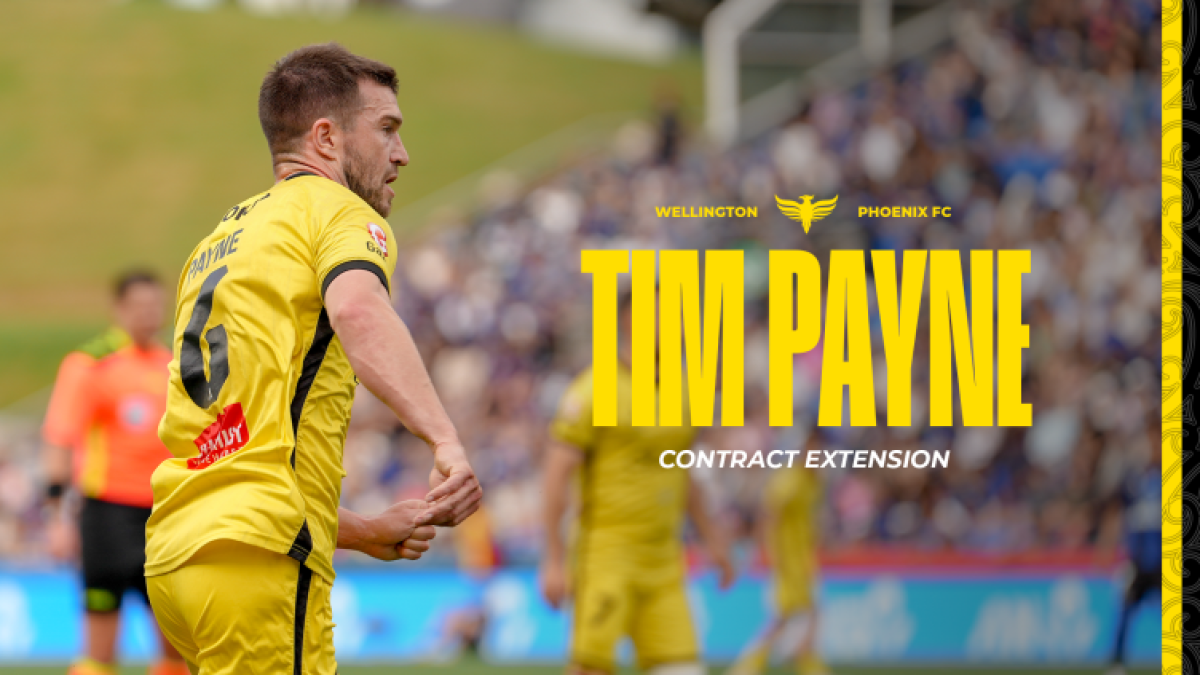
The juxtaposition of a New Zealand-born defender and the intense, localized fervor of Argentine football fans is likely the driver behind this viral trend. In many instances, such social media spikes are rooted in “meme culture,” where a specific player or personality is adopted by a foreign fanbase for comedic or ironic celebration. It is a testament to the global reach of modern football, where a player thousands of miles away can become a digital icon within a completely different cultural sphere almost overnight.
What the Data Tells Us
From a technological perspective, the metrics associated with the original post—265,000 likes and over 5,000 comments—suggest a high-velocity engagement pattern. These numbers, while impressive, are characteristic of viral social media content that prioritizes immediate, emotional reactions over long-form factual discourse. For the general public, it is important to understand that these digital “legends” often exist in a vacuum, separate from the actual administrative or competitive structures of the sport.
If you are looking for verifiable information regarding professional player statistics, international transfer records, or official match data, I always recommend relying on primary databases. For those tracking professional football careers in Australia and New Zealand, the Football Australia official portal remains the gold standard for accuracy. Navigating the noise of social media requires a discerning eye, especially when trending topics seem to defy the standard expectations of regional sporting fandom.
Key Takeaways for the Digital Sports Fan
- Distinguish between trends and reality: Viral labels on social media rarely correlate with official sporting accolades or career milestones.
- Verify via official channels: When a player is trending, cross-reference the claims with official league websites or reputable sports journalism outlets.
- Understand the “Meme” factor: Often, foreign fans adopt players as “legends” for entertainment purposes, which is a common feature of modern internet subcultures.
The Evolution of Fan Engagement
The story of Tim Payne in this specific context serves as a reminder of how digital tools have democratized fan expression. While the “legend” status is clearly performative, it highlights a shift in how fans consume sports. We are no longer limited to the narratives provided by television broadcasters; we are now active participants in creating the lore of the game. This shift can be both entertaining and confusing, necessitating a balanced approach to media literacy.
As we continue to monitor this development, no official statements have been made by the player or his associated clubs regarding this sudden surge in Argentine social media interest. In the professional world of football, silence is often the most appropriate response to internet-driven phenomena that exist outside the pitch. As of May 2026, the situation remains a digital curiosity rather than a reflection of a career pivot or international transfer development.
I encourage our readers to remain curious but critical. If you have noticed other similar trends in the digital sports space, feel free to share your thoughts in the comments section below. We will continue to provide updates if any official, verifiable developments arise that link this digital trend to concrete professional outcomes.
Worth a look