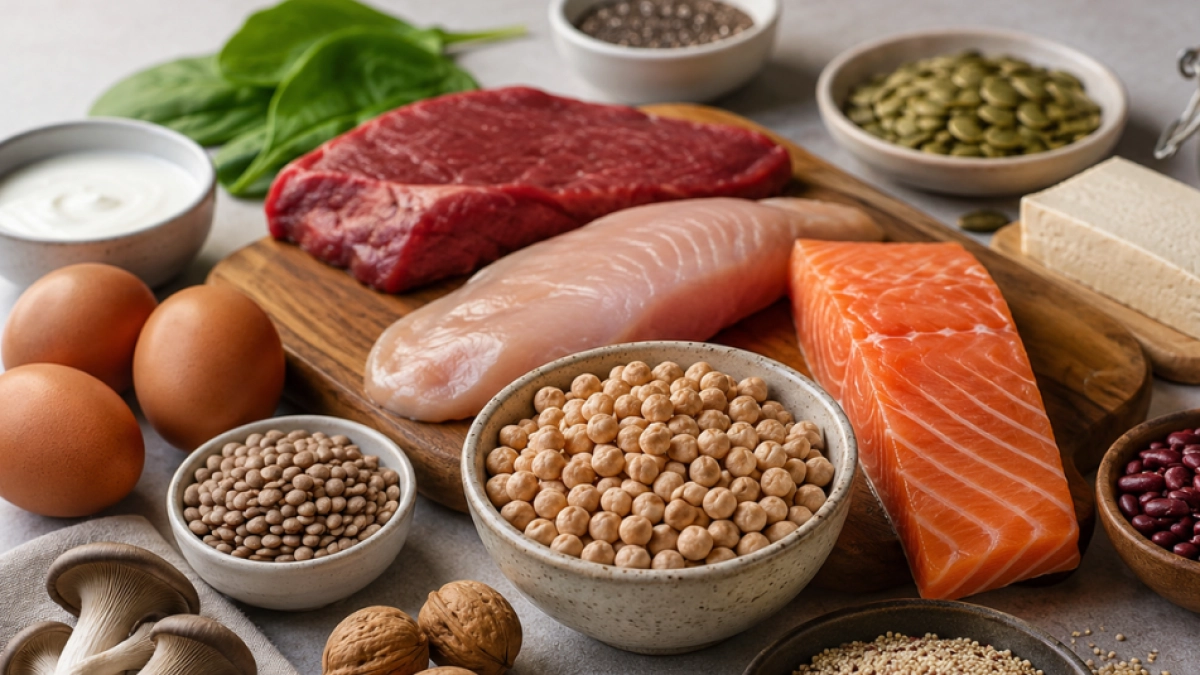
As we navigate an increasingly complex landscape of nutritional advice, the focus on protein consumption has often overshadowed the critical necessity of dietary diversity for gut health. Recent scientific discourse, supported by large-scale metagenomic research, has shifted the spotlight toward the gut microbiome—a complex ecosystem of microorganisms that plays a pivotal role in human metabolic health. Understanding how our protein choices influence this internal environment is no longer just a matter of fitness, but a cornerstone of preventative health.
For many, the search for high-quality protein begins and ends with animal-based products like eggs and meat. However, experts in the field of nutritional science are increasingly highlighting the importance of diversifying these sources to ensure adequate intake of fiber—a nutrient that is notably absent in animal proteins but essential for the maintenance of a healthy and diverse gut microbiome. The link between poor diet, the human gut microbiome, and the rising incidence of cardiometabolic diseases has been underscored by recent large-scale studies involving over 34,000 participants in the United States and the United Kingdom, as detailed in research published in Nature.
The Microbiome-Nutrition Connection
The human gut microbiome serves as a vital bridge between our dietary habits and our overall health. When we consume diverse, fiber-rich foods, we are essentially providing the building blocks for beneficial microbial species to thrive. Conversely, a diet heavily reliant on processed foods or lacking in plant-based fibers can lead to a less diverse microbial profile, which has been associated with various risk factors for cardiometabolic conditions. According to the recent study, identifying which specific species are favorably or unfavorably associated with health markers allows for a more personalized approach to nutrition.
The development of systems like the ‘ZOE Microbiome Health Ranking 2025’ marks a significant step forward in our ability to categorize microbial species based on their associations with body mass index and host health conditions. By analyzing data from over 7,800 additional public samples, researchers have been able to confirm that these associations are both reproducible and robust. While the goal is to inform future mechanistic studies, it is crucial to recognize that these findings represent an critical correlation, and as noted by researchers, causal inference requires prospective cohort studies and further interventional clinical trials.
Why Diversifying Protein Matters
The primary concern with a protein-centric diet that ignores fiber is the missed opportunity for microbial enrichment. Plant-based proteins—such as legumes, nuts, seeds, and certain grains—offer a dual benefit: they provide the amino acids necessary for muscle maintenance and repair while delivering the prebiotic fibers that “feed” the beneficial bacteria in the colon. These bacteria, in turn, produce short-chain fatty acids that support the integrity of the gut lining and regulate systemic inflammation.

When individuals shift their focus toward plant-forward protein sources, they naturally increase the complexity of their dietary intake. This complexity is exactly what the microbiome requires to maintain resilience. In two dietary interventional clinical trials involving 746 participants, it was observed that favorably ranked microbial species increased in abundance and prevalence when dietary patterns were optimized, while unfavorably ranked species saw a reduction over time.
Practical Steps for a Healthier Gut
Translating this science into daily habits does not require an immediate or total overhaul of one’s lifestyle, but rather a gradual increase in variety. For those accustomed to relying on animal proteins, the following strategies may help in incorporating more fiber-rich alternatives:
- Incorporate Legumes: Lentils, chickpeas, and black beans are excellent sources of plant protein and are packed with the fermentable fibers that gut bacteria thrive on.
- Embrace Seeds and Nuts: Chia seeds, flaxseeds, and walnuts provide not only protein but also healthy fats and fiber, making them uncomplicated additions to breakfast or snacks.
- Prioritize Whole Grains: Swapping refined grains for quinoa, farro, or barley can significantly boost your daily fiber intake without sacrificing protein density.
- Mix and Match: You do not need to eliminate animal products entirely to see benefits. The key is to shift the ratio, ensuring that a significant portion of your protein intake comes from plant sources throughout the week.
As we continue to learn more about the interplay between nutrition and the gut microbiome, the importance of a balanced, diverse diet becomes increasingly clear. While researchers work toward establishing causal links through ongoing clinical trials, the current evidence strongly suggests that viewing protein not just as a macronutrient for muscles, but as a component of a fiber-inclusive diet, is a prudent strategy for long-term health.

For those interested in the latest developments in microbiome research, staying informed through peer-reviewed journals and updates from public health institutions remains the best way to separate nutritional trends from evidence-based science. We encourage our readers to discuss these dietary adjustments with a qualified healthcare professional or a registered dietitian, especially when considering significant changes to your nutritional regimen.
What changes have you made to your diet to support your gut health? Join the conversation in the comments section below and share your experiences with our global community.
Related reading