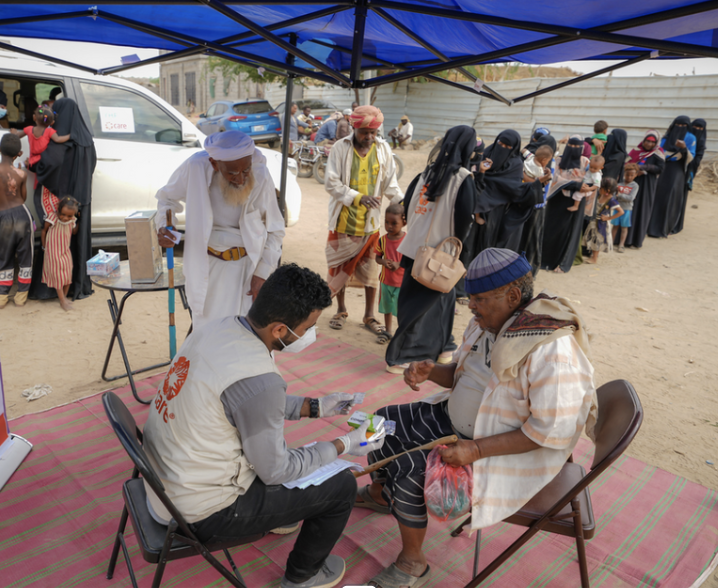
Chad Faces Surge in Refugee Births Amid Sudan Crisis
More than 90,000 babies are expected to be born in exile in Chad during 2026 due to the ongoing crisis in Sudan, according to the United Nations Population Fund (UNFPA). The projection, announced by UNFPA’s Chad office, highlights the immense strain on maternal health services as refugee populations continue to swell in eastern regions of the country. Humanitarian actors warn that without urgent support, many of these births could occur in conditions of extreme vulnerability.
The figure of 91,840 anticipated births was published by UNFPA Chad on April 21, 2026, reflecting data collected amid the deepening humanitarian emergency triggered by conflict across the border. UNFPA representatives emphasized that behind the statistic are thousands of pregnant women facing heightened risks due to disrupted healthcare access, malnutrition, and overcrowded living conditions in refugee hosting areas.
“Behind this number, there are thousands of women preparing to offer birth in conditions of extreme vulnerability,” an UNFPA spokesperson stated. Humanitarian and health actors have mobilized to ensure that every birth remains a moment of safety and dignity, even amid crisis. The agency called for strengthened support to local health structures in refugee-hosting zones to prevent maternal and neonatal mortality from rising further.

Chad hosts over one million Sudanese refugees, many of whom fled violence that erupted in Sudan in mid-2023. The influx has overwhelmed local systems, particularly in the Ouaddaï, Sila, and Wadi Fira provinces, where the majority of refugees are concentrated. According to UNHCR, more than 500,000 refugees and returnees were registered in these eastern provinces as of January 2024, with arrivals continuing steadily.
The pressure on Chad’s health system has been significant. UNFPA reported that sexual and reproductive health needs have surged alongside the refugee influx, straining already limited resources. In response, the agency has deployed reproductive health kits, supported midwifery training, and partnered with local health centers to expand prenatal and delivery care.
In the Djabal refugee camp near Goz-Beida in Sila province, humanitarian midwives have been providing critical care. One midwife, Mariam Tchere, reported assisting with seven deliveries in a single night shift at a local health center. Women who have received prenatal care through UNFPA-supported programs have expressed satisfaction with the support, noting that guided checkups made their pregnancies safer compared to previous births without medical follow-up.
Compounding the maternal health crisis, the World Food Programme (WFP) and UNHCR have warned of imminent and potentially life-threatening cuts to food, water, shelter, protection, and healthcare aid for over one million Sudanese refugees in Chad. These reductions threaten to worsen malnutrition and disease risks, particularly for pregnant women and newborns.
Maternal Health Challenges in Refugee Settings
Pregnant women in displacement settings face unique dangers. Lack of access to skilled birth attendants, emergency obstetric care, and essential supplies increases the likelihood of complications such as hemorrhage, infection, and obstructed labor. In Chad, many refugees live far from functioning health facilities, and poor road conditions during the rainy season further delay referrals.
UNFPA’s approach includes training humanitarian midwives, distributing clean delivery kits, and strengthening referral systems for emergency obstetric care. The agency as well works to integrate sexual and reproductive health into broader humanitarian response plans, ensuring that services are available from the onset of an emergency.
Similar challenges have been observed in other refugee contexts. In Haiti, for example, geographic barriers and damaged health infrastructure following the 2021 earthquake have limited access to maternal care in rural areas. Women in remote communities like Douillette in the Sud department must travel hours on foot or by motorcycle to reach the nearest functional health center, a journey that becomes increasingly difficult as pregnancy progresses.
Haiti’s maternal mortality ratio rose to 201 deaths per 100,000 live births in 2023, up from 155 in 2022, according to the country’s Ministry of Public Health and Population. While direct comparisons between Chad and Haiti require caution due to differing contexts, both cases illustrate how crisis conditions can reverse progress in maternal health.
Humanitarian Response and Ongoing Needs
International organizations continue to advocate for sustained funding to support Chad’s refugee response. UNFPA has emphasized that investments in maternal health not only save lives but also contribute to long-term stability by empowering women and strengthening community resilience.
As of April 2026, no major changes to the projected birth estimates have been reported by UNFPA or partner agencies. The next official update on refugee population figures and humanitarian needs in Chad is expected from UNHCR in mid-2026, following its standard quarterly reporting cycle.
For the most current information on the Sudan refugee situation and related humanitarian efforts, readers can consult the UNHCR Chad operational portal and the UNFPA East and Southern Africa regional updates.
What are your thoughts on how the international community can better support maternal health in protracted displacement crises? Share your perspective in the comments below, and help spread awareness by sharing this article with your network.
- Early Detection Scan Offers New Hope Against Necrotizing Enterocolitis in Premature Babies
- دراسة جديدة تكشف فوائد غير متوقعة لأدوية التخسيس وعلاقتها بخفض خطر الإصابة بسرطان الثدي
- Luxembourg and WHO Sign Landmark €47.5 Million Global Health Partnership (world-today-news.com)
- Title Insurance Covers a Crime That Almost Never Happens (daybreakwire.com)