
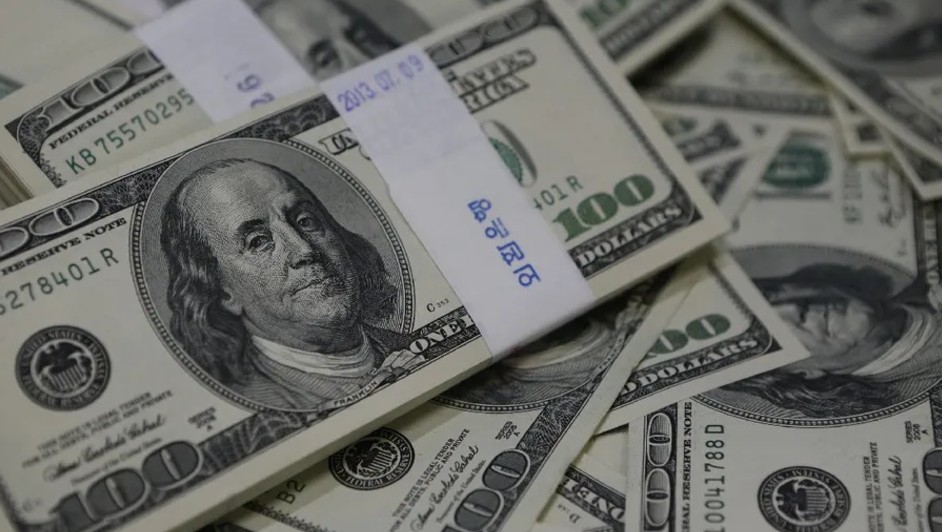
On Thursday, April 23, 2026, the Mexican peso weakened against the U.S. Dollar amid stalled negotiations between the United States and Iran over regional tensions. The exchange rate reached 17.3632 pesos per dollar, marking a 0.19% decline from the previous session, according to financial reports from Mexico City.
The depreciation reflects growing investor caution as diplomatic efforts to de-escalate Middle Eastern conflicts remain at an impasse. Analysts note that the lack of progress has diminished global appetite for risk-sensitive assets, boosting demand for the U.S. Dollar as a safe-haven currency. This shift has contributed to the greenback’s first weekly gain in a month, supported also by rising oil prices.
Felipe Mendoza, an economic analyst at EBC Financial Group, explained that the market is currently in a “state of wait,” where sentiment is heavily influenced by geopolitical developments in the region. “This context reflects a market that finds itself in a holding pattern, where global sentiment is strongly conditioned by the geopolitical chessboard in the Middle East,” he stated.
Domestically, inflation data for the first half of April showed moderation, reinforcing expectations that the Bank of Mexico (Banxico) may consider another interest rate cut before concluding its monetary tightening cycle. Meanwhile, U.S. Labor markets reported a slight increase in weekly jobless claims, adding to mixed signals from North American economies.
At major Mexican banks, the dollar traded as follows: BBVA Mexico offered 16.48 pesos for purchase and 17.62 for sale; Banamex quoted 16.80 pesos to buy and 17.76 to sell; Banorte reported 16.52 pesos for buying and 17.68 for selling. These retail rates reflect the broader trend of peso depreciation observed in interbank markets.
The U.S. Dollar has gained 0.19% against the peso over the past week, though it remains down 9.79% on an annual basis. Despite short-term gains, the currency has seen three consecutive sessions of appreciation, indicating near-term bullish momentum driven by external factors rather than domestic strength in Mexico.
Market volatility has remained below annual averages, suggesting a period of reduced fluctuation in the foreign exchange market. This stability, however, is occurring within a broader context of uncertainty, as investors continue to monitor both geopolitical developments and key economic indicators from Mexico and the United States.
Oil prices have remained above $100 per barrel for Brent crude, further limiting the potential for a significant decline in global risk premiums. The persistence of elevated energy costs has indirectly supported the dollar’s strength, given its historical correlation with commodity markets during periods of tension.
Looking ahead, market participants are awaiting the next inflation report from Mexico’s national statistics agency (INEGI), scheduled for release in early May, which could influence Banxico’s policy direction. Similarly, any breakthrough in U.S.-Iran talks would likely trigger a rapid reassessment of currency flows and risk positioning across emerging markets.
For real-time updates on the USD/MXN exchange rate, readers can consult official sources such as the Bank of Mexico’s website or financial data platforms like Bloomberg and Reuters, which provide continuous coverage of foreign exchange movements.
We invite our global audience to share insights and observations on how currency fluctuations are affecting local economies and international trade. Your perspectives help deepen the conversation around monetary policy and global financial stability.