
In the evolving landscape of the United States Department of Justice, the nomination of Todd Blanche to serve as the Senate-confirmed Attorney General represents a pivotal moment for the agency’s leadership. President Donald Trump’s decision to elevate Blanche, who has been serving as the Deputy Attorney General and acting head of the department following the departure of Pam Bondi in April 2025, signals a continuation of the administration’s current enforcement priorities. As the Senate prepares to review the nomination, the focus remains on the balance between executive authority and the traditional independence of the federal legal system.
The transition from acting leader to a confirmed cabinet member is a process governed by the Appointments Clause of the U.S. Constitution, which requires the advice and consent of the Senate. While Blanche has already been operating with the powers of the office—exercising duties granted under the Federal Vacancies Reform Act—his formal nomination invites a broader examination of his tenure as a federal prosecutor and his prior role as legal counsel to the President. The practical implications of this shift are significant, as they cement the leadership structure within the Department of Justice during a period of intense scrutiny regarding its investigative mandates.
The Evolution of Federal Prosecution Priorities
Todd Blanche’s transition into the upper echelons of the Department of Justice has been marked by a series of high-profile actions that have drawn both support from the administration and criticism from legal observers. As Deputy Attorney General, Blanche has overseen a sprawling network of 93 U.S. Attorneys’ offices and federal law enforcement agencies, including the Federal Bureau of Investigation. His tenure has been defined by a focus on what the administration characterizes as the “weaponization” of government, a policy stance that has led to aggressive investigations into various institutional figures and political opponents.


One notable event that underscores the current tensions occurred in May 2025, when Newark Mayor Ras Baraka attempted to enter a federal immigration detention facility. According to local reports and court filings, the situation escalated when federal officers, acting under directives from the Department of Justice, moved to detain the mayor. The incident, which was documented in video evidence later submitted to a federal court, highlighted the direct involvement of the Deputy Attorney General’s office in local operational matters. A federal magistrate judge subsequently dismissed charges related to the incident, noting concerns regarding the use of federal power in cases involving local officials.
The Department of Justice’s approach to these investigations is guided by its interpretation of federal criminal statutes. However, these actions have frequently faced challenges in court. For instance, the department’s pursuit of cases against former FBI Director James Comey and others has seen varied results, with some charges being dismissed by federal courts on First Amendment grounds. The administration maintains that these prosecutions are necessary to ensure accountability, while civil liberties advocates argue that such actions test the boundaries of executive discretion.
Constitutional Oversight and the Budgetary Process
A significant portion of the discourse surrounding the Justice Department’s recent operations involves the management of federal resources. The proposal of an “Anti-Weaponization Fund,” initially reported as a multi-billion dollar initiative, brought to light the complexities of the appropriations process. Under the U.S. Constitution, Article I, Section 9, Clause 7—known as the Appropriations Clause—no money may be drawn from the Treasury but in consequence of appropriations made by law. This constitutional mandate serves as a primary check on executive spending power, ensuring that Congress retains the “power of the purse.”
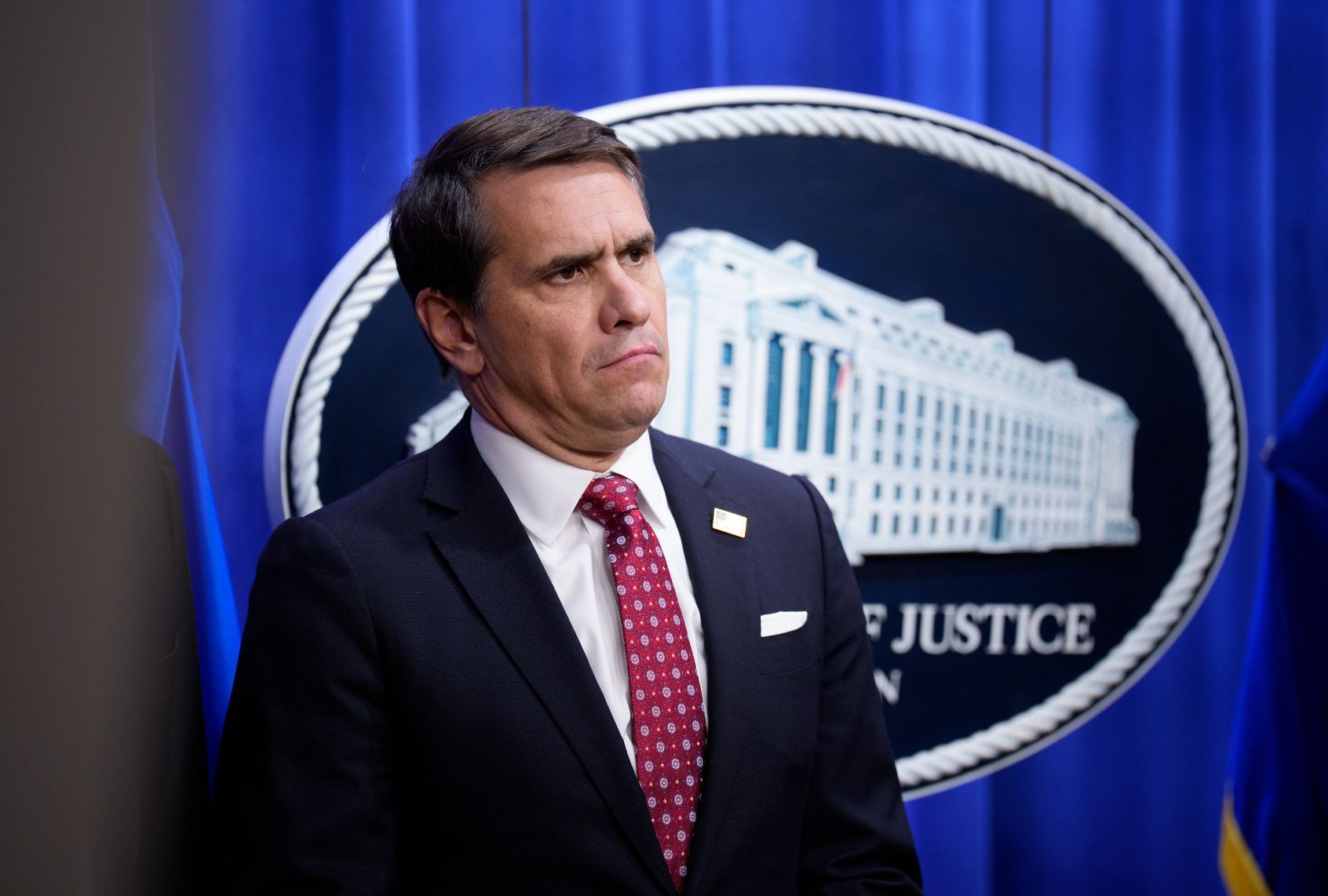
The proposed fund, which faced significant legislative opposition, was intended to address various internal department priorities. The administration’s attempt to utilize settlement mechanisms to circumvent traditional congressional budgeting sparked a national debate regarding the separation of powers. Legal scholars have pointed out that the Department of Justice’s role is to represent the United States in litigation, not to create independent funding streams outside of the congressional authorization process. The eventual stalling of this initiative in Congress highlighted the limitations of executive authority when it encounters bipartisan legislative resistance.
Throughout these developments, Blanche has remained a central figure, signing off on departmental actions that have drawn the attention of both the House and Senate Judiciary Committees. As the Senate confirmation process begins, members of the committee are expected to question the nominee on his adherence to established legal norms and his interpretation of the Attorney General’s role as the chief law enforcement officer of the nation. The outcome of these hearings will likely define the direction of federal law enforcement for the remainder of the presidential term.
The Path to Senate Confirmation
The confirmation process for a cabinet-level position is a multi-step procedure that involves public hearings, committee votes, and eventually, a vote on the Senate floor. For a nominee like Blanche, the process is expected to be rigorous, given the public nature of the investigations he has overseen. Senators will likely focus on his legal philosophy, his past work as a private attorney for the President, and his plans for managing the Department of Justice’s vast portfolio of responsibilities, ranging from civil rights enforcement to national security.
The Department of Justice, as an institution, is tasked with upholding the rule of law while remaining insulated from partisan influence. This balance is a cornerstone of the American legal system. As the Senate considers the nomination, the public and legal community will be watching to see how the nominee addresses concerns regarding the independence of the department. The confirmation hearings, typically held in the Dirksen Senate Office Building, provide an official record of the nominee’s commitments to the Senate and the American people. Information regarding the schedule of these hearings and the official record of the proceedings can be found through the United States Senate Committee on the Judiciary.
the role of the Attorney General carries immense responsibility, serving as the head of the federal government’s legal arm. Whether the Senate confirms the current nominee will depend on their assessment of his ability to lead the department with integrity and respect for the constitutional framework that governs all federal institutions. As the process moves forward, citizens and stakeholders are encouraged to monitor official updates from the Department of Justice and the Senate to stay informed on the developments that will shape the future of the nation’s legal system.
The next major milestone in this process will be the announcement of the committee hearing dates and the subsequent testimony from both the nominee and invited witnesses. We will continue to provide updates as new information becomes available. We invite our readers to share their perspectives in the comments section below and engage with our ongoing coverage of global economic and political policy.
Keep reading