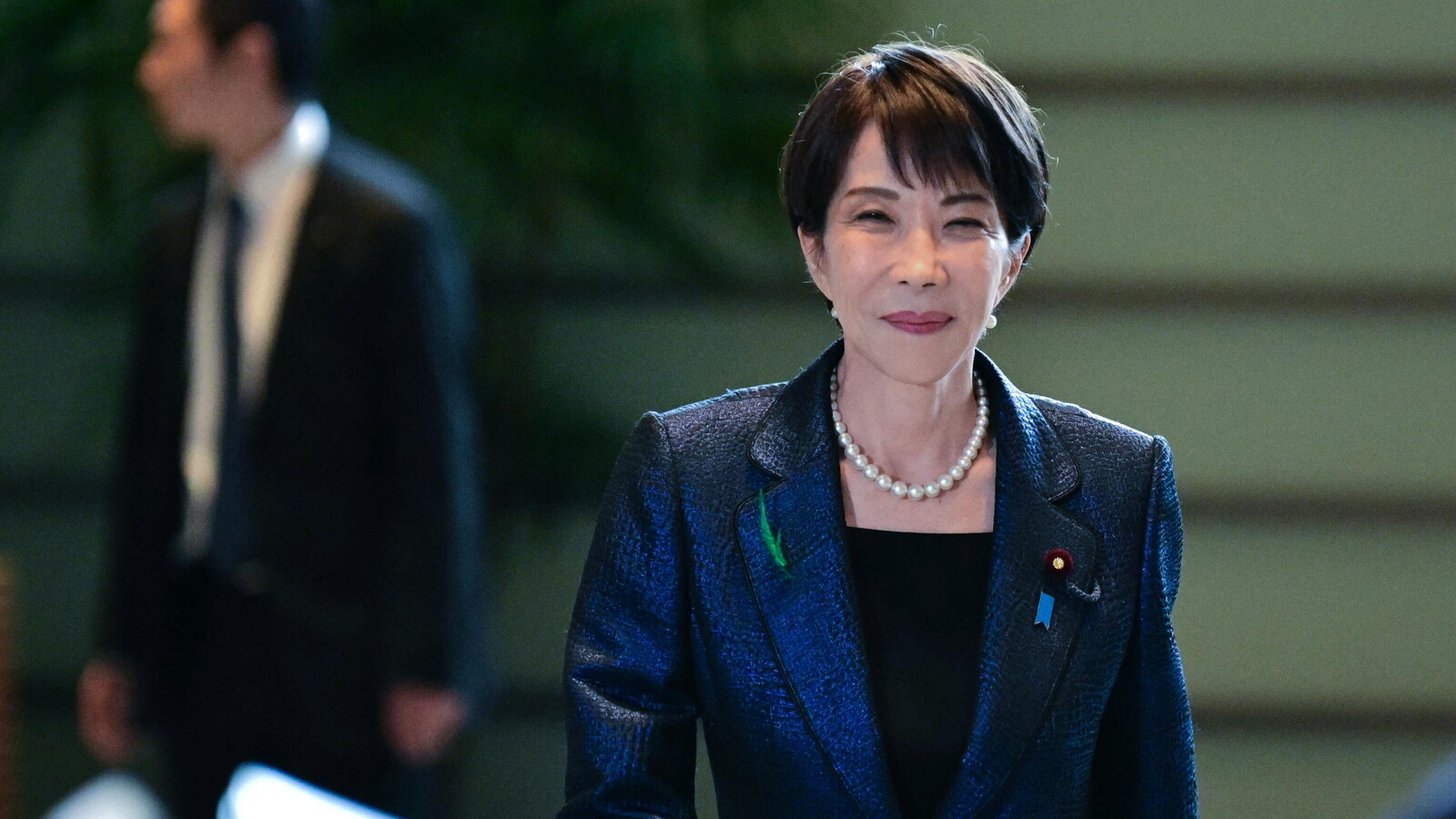
On Tuesday, April 21, 2026, the Japanese government formally revised its long-standing restrictions on overseas arms sales, marking the most significant overhaul of its defence export policy in decades. This change, approved by Prime Minister Sanae Takaichi’s cabinet, paves the way for exports of advanced military equipment including warships, missiles and other defence systems. The move represents a decisive break from Japan’s postwar pacifist framework, which had tightly limited military exports to non-lethal categories such as rescue, transport and surveillance equipment for over 70 years.
According to government officials, the reform aims to strengthen Japan’s defence industrial base while deepening security cooperation with allied nations. The policy shift comes amid growing security challenges in the Indo-Pacific region and increasing pressure on traditional arms suppliers like the United States, whose production capacity has been strained by conflicts in Ukraine and the Middle East. Under the fresh framework, Japan will no longer maintain the five export categories that previously restricted most military sales to humanitarian and logistical equipment. Instead, the government will allow exports of lethal weapons systems, subject to case-by-case approval based on strict end-use monitoring and international arms control obligations.
Chinese officials have expressed concern over the development, interpreting the move as a signal of Japanese remilitarisation. Foreign Ministry spokesperson Mao Ning stated at a regular press briefing that Beijing closely monitors Japan’s defence policy adjustments and urged Tokyo to adhere to its pacifist Constitution and regional commitments to peace. She emphasized that any actions undermining regional stability would be met with appropriate responses, reflecting broader Sino-Japanese tensions over historical issues and competing maritime claims in the East China Sea.
The revised guidelines scrap the earlier restrictions and allow all defence equipment to be approved, subject to government screening and controls on transfers to third countries. Prime Minister Takaichi argued that Japan must relax its rules on weapons exports to bolster national defence and support economic growth through its domestic arms industry. In a post on X, she wrote: “No single country can now protect its own peace and security alone, and partner countries that support each other in terms of defence equipment are necessary.” She reiterated that there is “absolutely no change in our commitment to upholding the path and fundamental principles we have followed as a peace-loving nation for over 80 years since the war.”
Japan’s previous export rules, rooted in its postwar pacifist stance, significantly constrained defence exports for decades. Under the old system, lethal weapons systems were effectively barred from international sale, limiting Tokyo’s ability to contribute to allied defence efforts despite growing regional tensions. The change aligns Japan more closely with other major defence exporters while maintaining safeguards against diversion to unauthorized users through rigorous end-use verification.
Analysts note that the reform reflects a broader trend of Japanese defence policy evolution under growing security pressures. Japan has steadily increased its defence budget in recent years, reaching record levels amid concerns over China’s military assertiveness and North Korea’s nuclear programme. The country recently unveiled its largest defence budget in history, prioritising counterstrike capabilities, missile defence and cybersecurity. These developments suggest a strategic recalibration as Tokyo seeks to enhance its deterrence posture while navigating constitutional constraints.
The United States has welcomed the shift, viewing it as a means to share defence burdens in the Indo-Pacific. U.S. Officials have long encouraged Japan to expand its defence industrial capacity and contribute more actively to alliance interoperability. Joint exercises and technology-sharing initiatives between the two countries have intensified, particularly in areas such as missile defence and undersea warfare. Japan’s expanded export potential could facilitate greater cooperation on co-development projects and logistics support.
Meanwhile, regional neighbours remain watchful. South Korea has expressed cautious optimism about potential collaboration in defence technology, while acknowledging historical sensitivities. Southeast Asian nations have called for transparency in arms transfers to prevent escalation, emphasizing the importance of confidence-building measures and dialogue through forums like the ASEAN Defence Ministers’ Meeting Plus.
As of this update, no specific arms export deals have been announced under the new framework. The government indicates that initial approvals will focus on partners with strong security ties and robust end-use monitoring capabilities. Officials stress that each case will undergo rigorous assessment to ensure compliance with international obligations, including the Arms Trade Treaty, to which Japan is a signatory.
The next official update on Japan’s defence export policy is expected during the summer cabinet review cycle, typically held in July, when ministries report on implementation progress and licensing activity. For real-time updates on defence policy developments, readers can refer to Japan’s Ministry of Defence website or official gazette notices.
If you found this analysis useful, please consider sharing it with others interested in global security affairs. We welcome thoughtful comments and perspectives on how evolving defence policies shape regional stability and international cooperation.
Keep reading