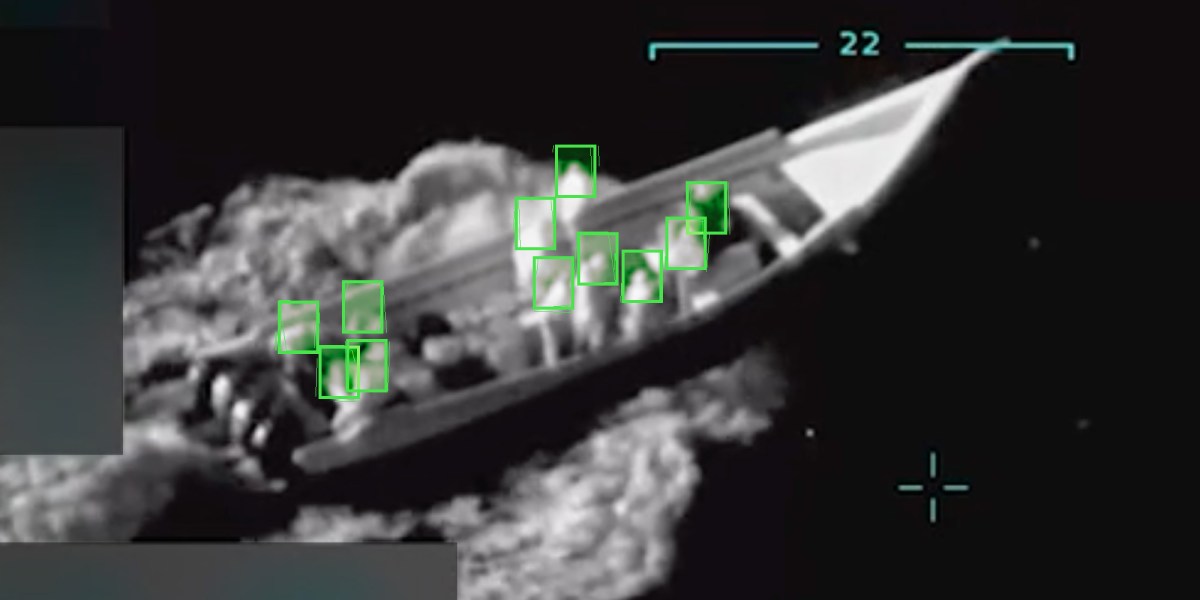
A high-ranking Pentagon official has acknowledged that U.S. military strikes on suspected drug-smuggling boats may have resulted in the deaths of human trafficking victims. The admission, disclosed during a classified briefing on Capitol Hill, centers on a September 2, 2025, mission in the Caribbean Sea that remains the only incident in the administration’s counter-narcotics campaign to reach a double-digit death toll. This development has intensified scrutiny regarding the targeting criteria and intelligence protocols used by the Joint Special Operations Command (JSOC) to authorize lethal force against vessels in international waters.
The strike in question involved an 11-person crew aboard a go-fast boat, a vessel type typically associated with smaller groups of two to three individuals. During a subsequent classified session, Rear Adm. Brian H. Bennett, a military officer overseeing Special Operations for the Pentagon’s Joint Staff, was asked whether those killed could have been victims of human trafficking. According to two individuals present at the meeting, Bennett replied, “They could be.” This acknowledgment marks a departure from earlier, more definitive assertions by administration officials that all individuals targeted in these operations were “narcoterrorists” affiliated with designated foreign terrorist organizations.
The September 2 Mission and Intelligence Gaps
The mission began on the night of September 1, 2025, when a 40-foot boat departed from San Juan de Unare on Venezuela’s Paria Peninsula. The vessel was monitored by a secret U.S. Special Operations aircraft, which remained undetected by the occupants. According to government officials familiar with the operation, the boat was observed turning back toward the Venezuelan coast after the aircraft engaged in low-altitude maneuvers. Adm. Frank Bradley, then head of JSOC, authorized the strike following consultation with Col. Cara Hamaguchi, the command’s staff judge advocate.
The operation resulted in the destruction of the vessel, with two survivors initially clinging to the wreckage. These survivors were observed for approximately 45 minutes before a second strike was ordered, which killed them. Rep. Adam Smith, the ranking member of the House Armed Services Committee, publicly noted after viewing classified video footage that the men appeared to be in a helpless, shipwrecked state. While the Pentagon’s Law of War Manual prohibits the targeting of individuals who are incapacitated by shipwreck, officials stated that the legal justification for the follow-up strike was cleared by JSOC’s legal team.
The discrepancy between the high passenger count—11 people—and the typical profile of a drug-smuggling operation has been a point of contention for lawmakers. “Why would 11 people be on board a boat carrying drugs?” a government source who attended a briefing on the matter remarked. “It’s a high risk for the cartels. That always stood out.”
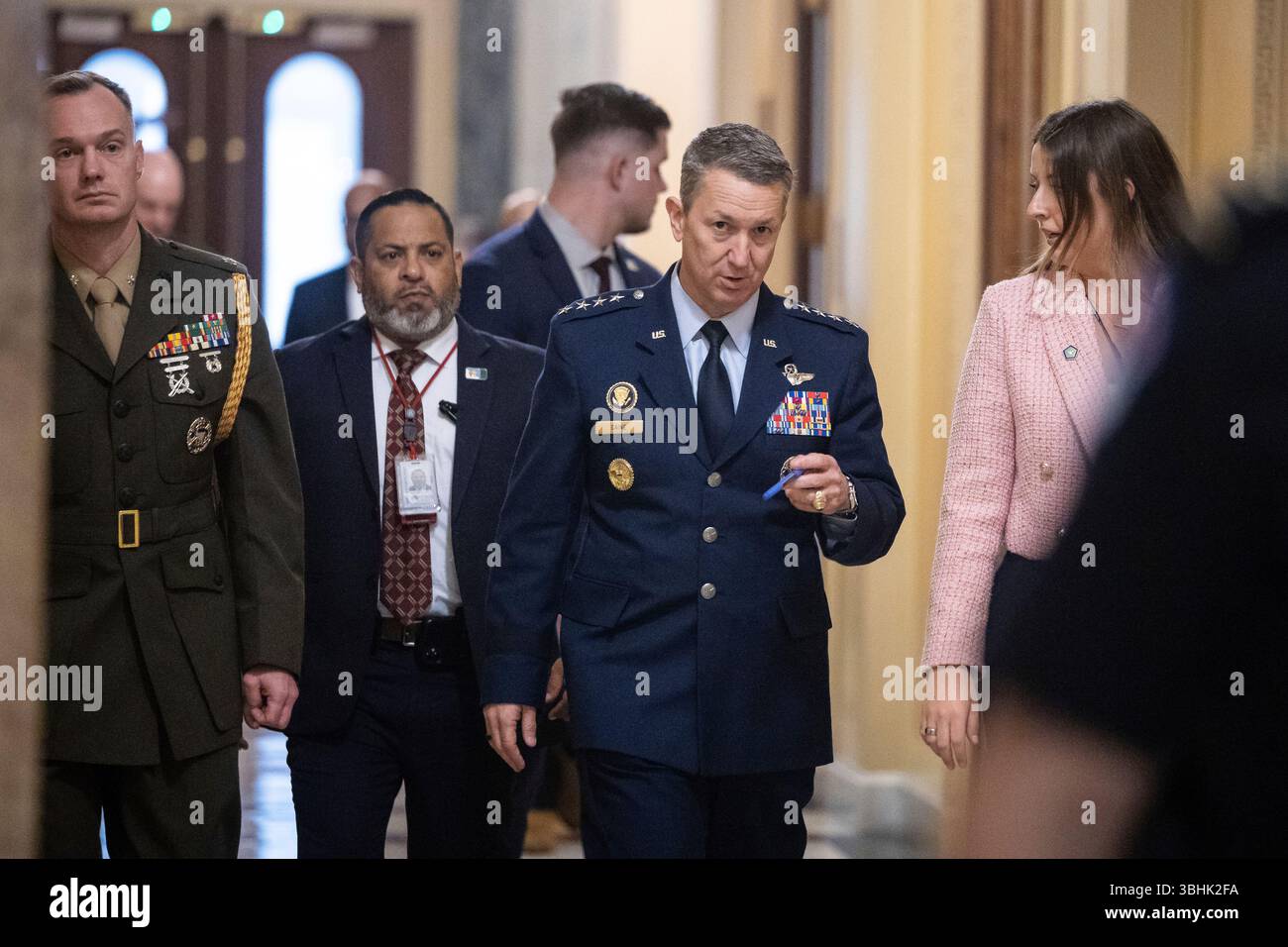
Adm. Frank M. Bradley, left, accompanied by Gen. Dan Caine, chair of the Joint Chiefs of Staff, right, walks to a meeting with senators on Capitol Hill on Dec. 4, 2025, in Washington, D.C. Photo: Mark Schiefelbein/AP
Targeting Procedures and Human Rights Concerns
The administration’s counter-narcotics campaign, initiated by an executive order signed by War Secretary Pete Hegseth, relies on targeting procedures that Adm. Bradley has compared to the “persona targeting” used in post-9/11 counterterrorism drone operations. However, experts and former government advisers argue that these methods are prone to confirmation bias and intelligence failures. Sarah Yager, a former senior adviser to the chair of the U.S. Joint Chiefs of Staff, noted that the assumption of threat in ambiguous situations has historically led to civilian casualties in other theaters of conflict.
Data regarding the efficacy of these strikes further complicates the narrative. Statistics from the U.S. Coast Guard show that between September 1, 2024, and October 7, 2025, approximately 20 percent of vessels interdicted on suspicion of drug trafficking were found to contain no illicit contraband. Critics argue that this high rate of mistaken identity suggests that the reliance on signals intelligence (SIGINT) and aerial surveillance is insufficient for distinguishing between illicit smuggling operations and vessels carrying migrants or trafficking victims.
The region of origin—Sucre state in Venezuela—is a known hub for organized crime, including the smuggling of people, fuel, and narcotics. Reports from organizations such as Transparencia Venezuela and InSight Crime have documented how the local economic crisis has forced many residents into illicit activities to survive. Consequently, the presence of multiple passengers on a single vessel is often indicative of human smuggling or trafficking rather than a high-volume narcotics shipment.
A boat sits stranded along the shore in Cumana, the capital of Venezuela’s Sucre state, on Sept. 12, 2025. Photo: Ariana Cubillos/AP File
Congressional Oversight and Future Implications
Congressional oversight committees continue to press for clarity on the identities of those killed in these strikes. While Pentagon officials maintain that targeting decisions are reviewed through established processes, lawmakers such as Rep. Jim Himes have expressed skepticism regarding the intelligence used to justify the missions. “I don’t think we have any idea, who precisely, any of the individuals in these boats are,” Himes stated during a December review.

The legal framework for these operations is based on a classified opinion from the Justice Department’s Office of Legal Counsel, which posits that narcotics shipments are lawful military targets due to their role in funding cartels involved in a non-international armed conflict. However, Sen. Tim Kaine recently revealed that the presence of narcotics is not, in fact, a formal requirement for a vessel to be designated as a strike target. This revelation has prompted further debate over whether the military is operating under an overly broad interpretation of its authority.
As the campaign continues, the Pentagon remains constrained by policy regarding the release of specific operational details. A spokesperson for the Joint Staff stated that Rear Adm. Bennett is unavailable for interviews, and the command maintains that all strikes are directed at legitimate narco-terrorist targets. The next phase of congressional review will likely involve further examination of the intelligence chain and the potential for civilian harm, with hearings scheduled to continue as lawmakers seek to reconcile the administration’s stated objectives with the evidence presented in classified briefings.
We invite our readers to share their thoughts on these developments in the comments section below. For ongoing updates regarding legislative hearings and official Pentagon reports, please check the official dockets of the Senate and House Armed Services Committees.
Related reading