
The U.S. Congress approved a one-year extension of the African Growth and Opportunity Act (AGOA) in February 2024, maintaining duty-free access for eligible sub-Saharan African nations to the American market through September 2025. While the legislative action prevents an immediate expiration of the program, it highlights ongoing uncertainty regarding the long-term future of U.S.-Africa trade policy as global competitors, notably China, continue to expand their economic footprint across the continent.
According to the Office of the United States Trade Representative (USTR), AGOA has served as the cornerstone of U.S. economic engagement with sub-Saharan Africa since its enactment in 2000. The recent extension provides a temporary bridge for businesses and exporters, but lawmakers and trade experts remain divided on the scope of future reforms. The debate centers on whether to simply renew the existing framework or to modernize the legislation to better reflect current geopolitical realities and supply chain demands.
The Legislative Context of the AGOA Extension
The path to the recent one-year extension was marked by significant congressional deliberation. The U.S. government, through the Tax Relief for American Families and Workers Act of 2024, incorporated the AGOA extension as part of a broader bipartisan tax package. This legislative vehicle allowed for the continuation of trade preferences that had faced potential expiration, providing a crucial, albeit short-term, signal to investors who rely on the predictable tariff-free export of goods like textiles, agricultural products, and minerals.
For many African exporters, the uncertainty leading up to the February vote created operational hurdles. Business owners in sectors ranging from apparel in Lesotho to horticultural exports in Kenya often require multi-year planning horizons. By limiting the extension to a single year, the U.S. has effectively bought time, yet it has not fully resolved the “predictability gap” that many trade associations argue is necessary to attract significant foreign direct investment (FDI) into the region.
Shifting Global Dynamics and Competitive Pressures
The U.S. approach to African trade is increasingly viewed through the lens of competition with China. Beijing has consistently deepened its economic ties with the continent, frequently utilizing the Forum on China-Africa Cooperation (FOCAC) to announce tariff exemptions and infrastructure investments. According to the Ministry of Foreign Affairs of the People’s Republic of China, the country has committed to providing zero-tariff treatment for 100% of tariff lines to all least-developed countries having diplomatic relations with China, including most African partners.
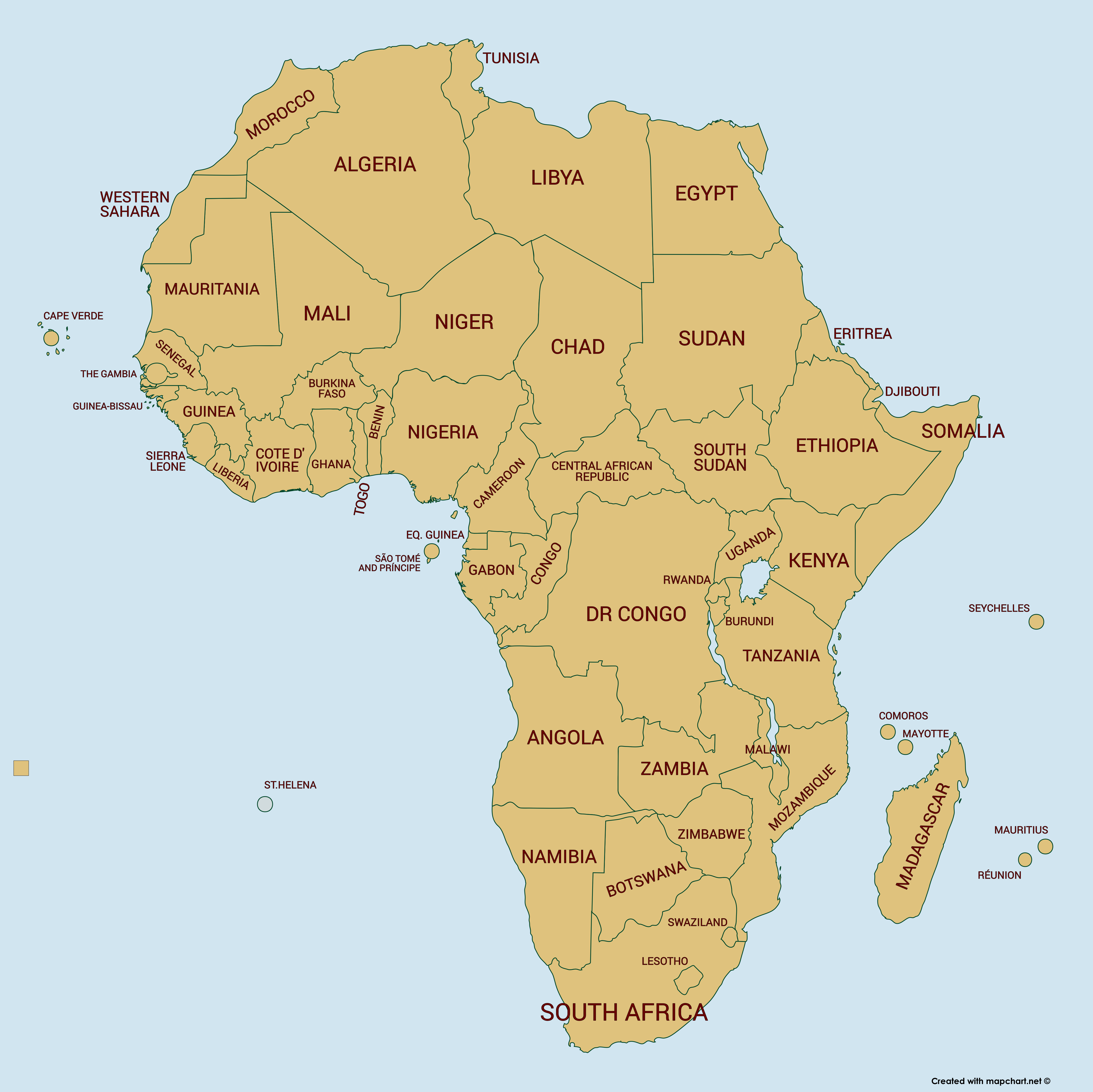
This contrast in policy instruments is significant. While AGOA remains a unilateral preference program subject to strict eligibility criteria—including requirements regarding human rights, rule of law, and market liberalization—China’s economic outreach is often characterized by a different set of conditions. For policymakers in Washington, the challenge lies in balancing these rigorous eligibility standards with the need to remain an attractive economic partner for African nations that are actively seeking to industrialize and expand their export capabilities.
What Happens Next for U.S.-Africa Trade
The expiration date of September 30, 2025, is now the focal point for stakeholders. In the coming months, the U.S. Congress is expected to hold hearings to evaluate the effectiveness of AGOA and to discuss potential modifications. According to the Senate Committee on Finance, discussions are likely to focus on how to increase the utilization rates of the program, as many eligible countries have struggled to take full advantage of the duty-free benefits due to infrastructure and logistical constraints.
Beyond the legislative calendar, the Biden-Harris administration has emphasized the importance of the “Prosper Africa” initiative, which aims to increase two-way trade and investment. However, the success of these efforts will likely depend on whether the U.S. can move beyond short-term extensions and provide a clear, long-term vision for trade relations. For the business community, the next year will be a period of intense lobbying and advocacy as they push for a multi-year reauthorization that offers the stability needed for long-term capital commitments.
Key Considerations for Stakeholders
- Eligibility Monitoring: The USTR conducts annual reviews to ensure that beneficiary countries continue to meet AGOA’s statutory requirements. Countries that fall out of compliance may face suspension, as seen in previous years.
- Utilization Rates: Industry experts suggest that the focus must shift from simply maintaining the program to helping African firms overcome the non-tariff barriers, such as customs procedures and transportation costs, that hinder trade.
- Congressional Action: With the 2025 deadline approaching, the legislative window for a comprehensive reauthorization is narrowing, making the upcoming session of Congress critical for the program’s future.
As the U.S. navigates these complexities, the global audience will be watching to see if Washington can craft a trade strategy that is both competitive and supportive of Africa’s long-term development goals. We invite our readers to share their perspectives on the future of U.S.-Africa trade relations in the comments section below.
Worth a look