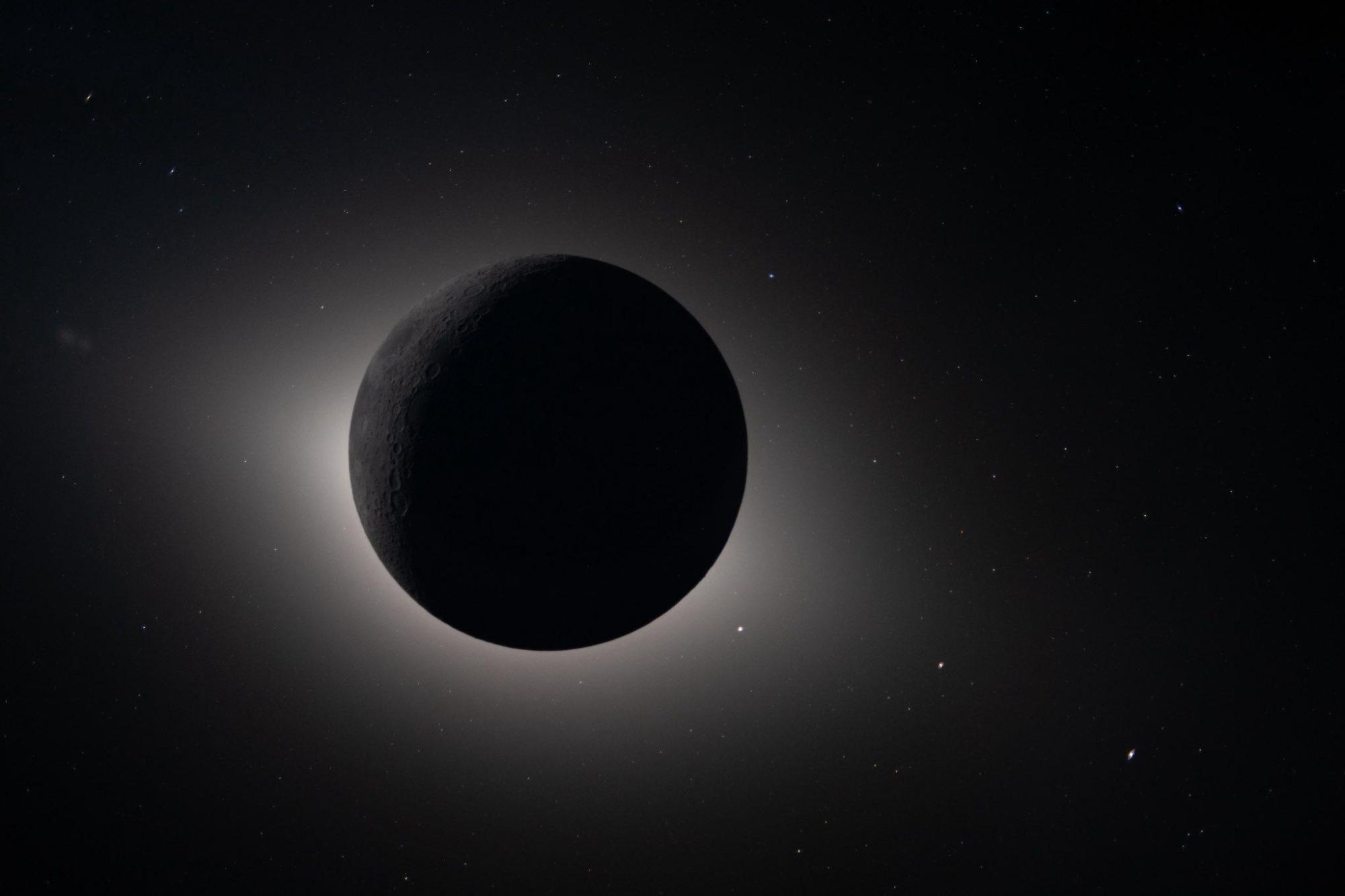
Millions of people are preparing for the upcoming total solar eclipse on August 12, when the moon will pass directly in front of the sun in a rare alignment, according to reports from Space. The moon’s shadow will carve out a 182-mile-wide corridor known as the path of totality, crossing through Greenland, Iceland, northern Russia, the Atlantic Ocean, Spain, and a small corner of Portugal, as detailed by NASA.
Path of Totality and Global Visibility for August 12
At its longest, near the centerline over the North Atlantic between Greenland and Iceland, the total phase of the eclipse will last 2 minutes and 18 seconds, noted Earthsky. In Spain, where the eclipse will occur close to sunset near the western horizon, observers will see up to 1 minute and 50 seconds of totality. Notably, the last total solar eclipse visible from mainland Spain occurred more than a century ago on August 30, 1905.
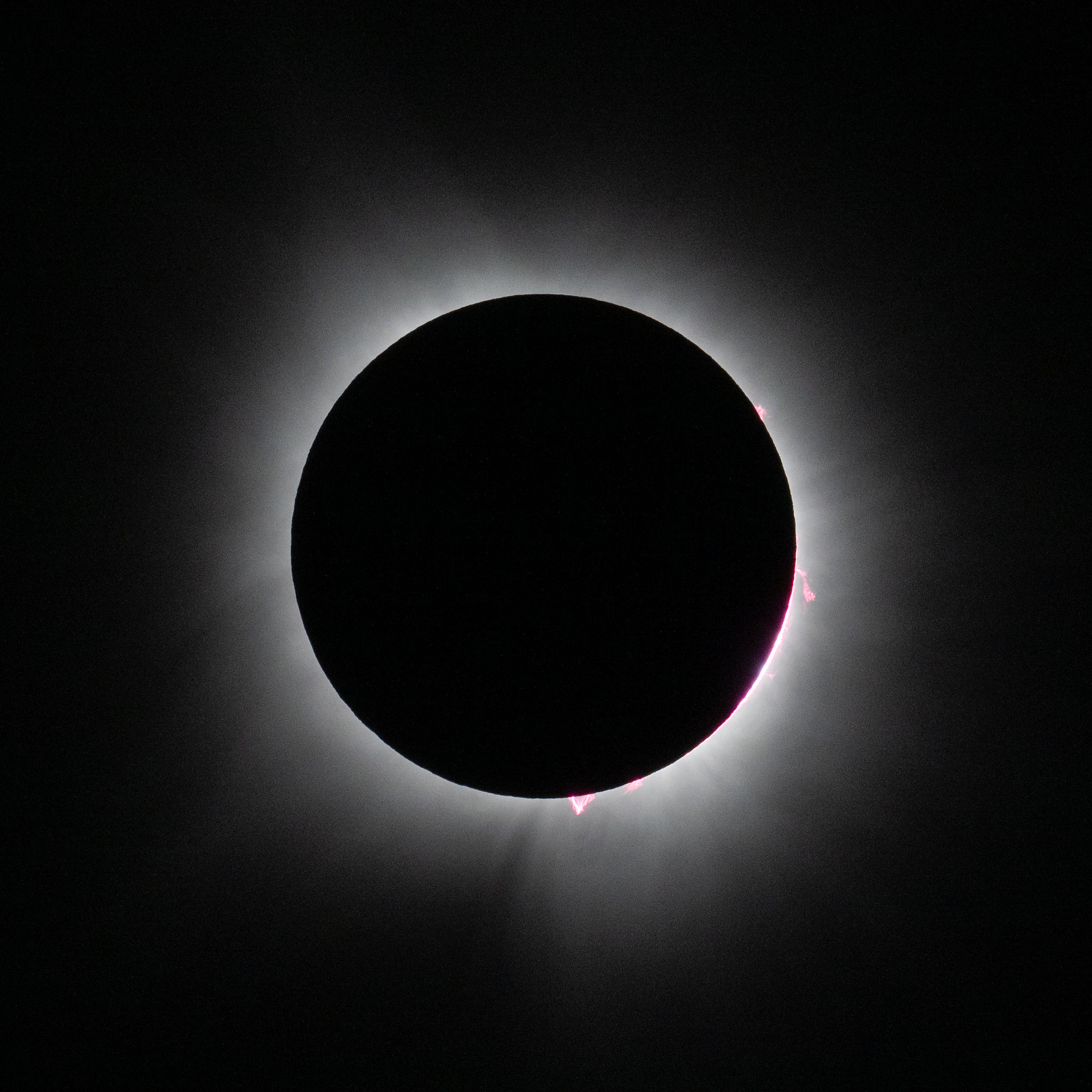
While only a narrow path will experience full totality, hundreds of millions of people across the Northern Hemisphere will witness a partial solar eclipse. Regions experiencing partial visibility will span from Alaska and northern Canada down to parts of the northern U.S. (ranging from Alaska to North Carolina), most of Canada, much of Europe, and northwestern Africa, according to NASA. Major European cities will see significant coverage, reaching 94% in Dublin and 83% in Oslo, Norway, while locations in North America like Montreal will experience an 18% bite out of the sun, tapering to 9% in New York and 2% in Norfolk, Virginia, according to ocregister.com.
Scientific Expeditions and Atmospheric Research
Space agencies and academic researchers are mobilizing significant scientific campaigns to study the celestial event. NASA will conduct experiments inside the path of totality, deploying a science team aboard a WB-57 high-altitude research aircraft to chase the moon’s shadow and investigate the dynamics of the sun’s corona. Additionally, the NASA-supported Nationwide Eclipse Ballooning Project is sending students from several U.S. universities to Iceland and Spain to launch scientific balloons before, during, and after the eclipse.
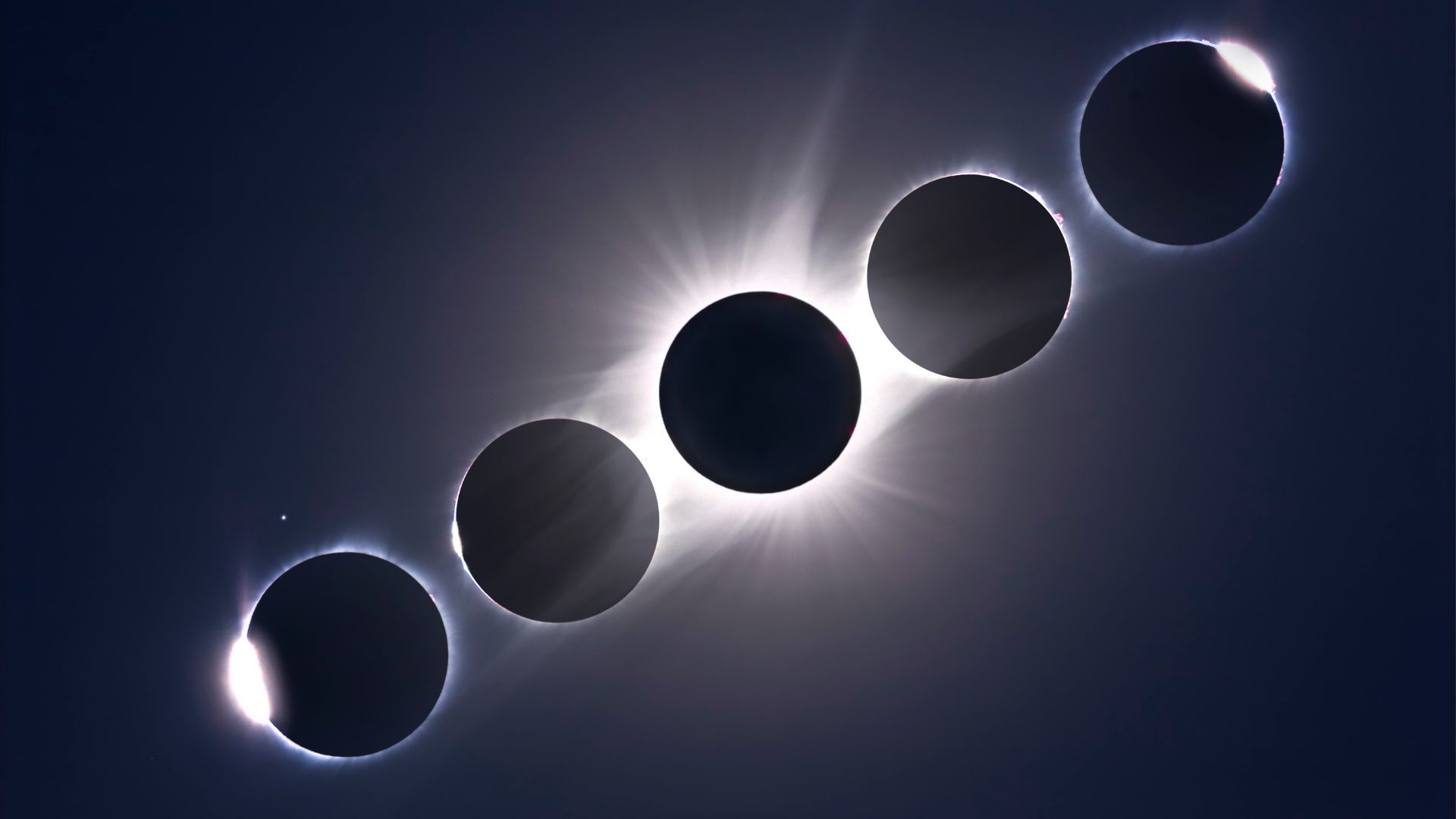
According to Angela Des Jardins of Montana State University, who leads the NASA-funded balloon project, student research teams will launch more than 60 high-altitude balloons from Spain and Iceland to study Earth’s atmosphere and temperature drops during the darkening skies. Meanwhile, the European Space Agency (ESA) will also participate; two ESA space telescopes will observe the eclipsed sun and its outer atmosphere, while the Proba-3 artificial eclipse-making satellite duo will attempt to capture before-and-after imagery despite being in an unideal part of its orbit during totality.
Additional Astronomical Alignments and Viewing Safety
The daytime darkness will coincide with other prominent celestial events. The day begins with six neighboring planets forming an arc in the sky before dawn, and concludes with the Perseid meteor shower peaking after nightfall under the new moon, raising the rare possibility of shooting meteors photobombing totality.
To view the event safely, observers inside the path of totality can remove their glasses exclusively during the brief window of totality, which lasts a maximum of 2 minutes and 18 seconds. However, proper eye protection is mandatory during all partial phases. NASA and other agencies emphasize that safe solar viewing glasses or handheld solar viewers—thousands of times darker than regular sunglasses and compliant with the ISO 12312-2 international standard—must be used to prevent severe eye damage when looking directly at the sun.
Keep reading