
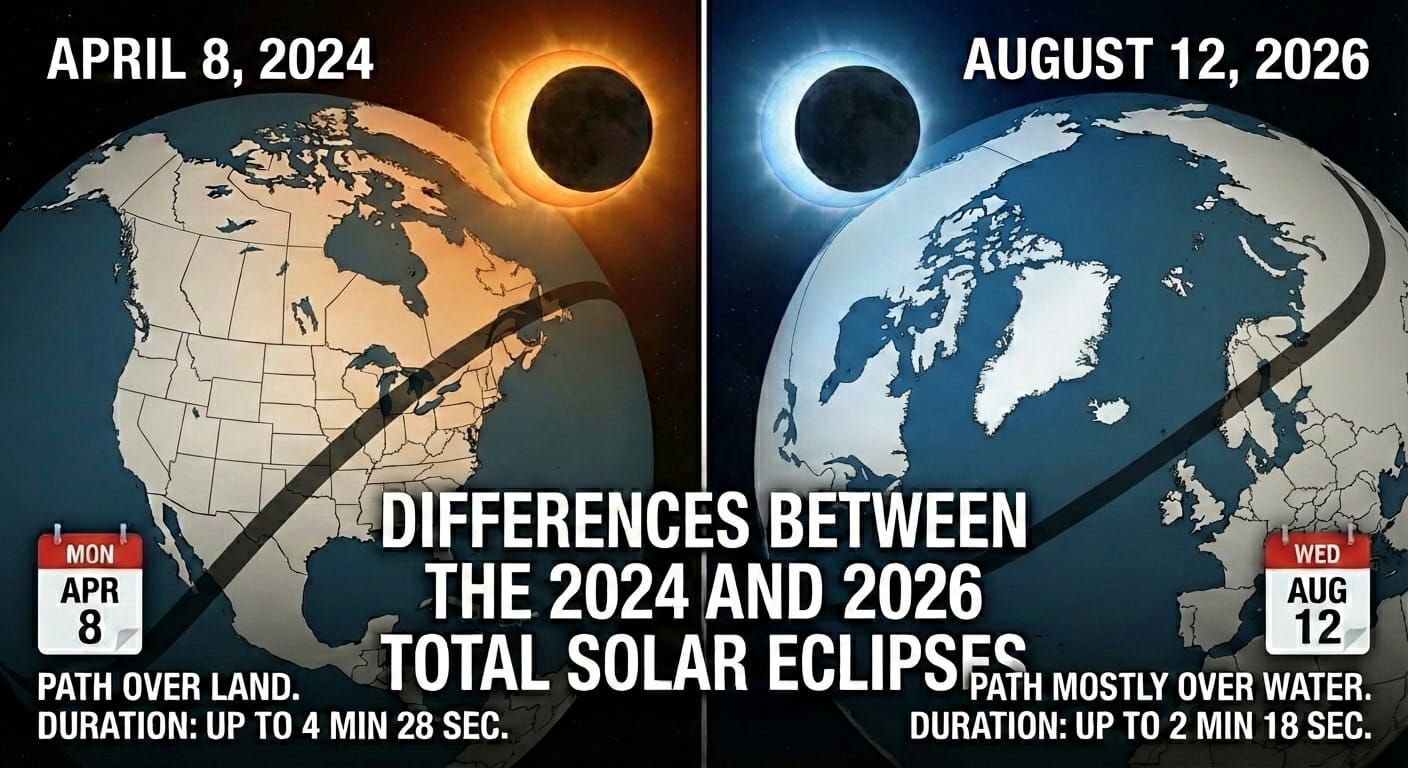
On August 12, 2026, a total solar eclipse will track across parts of the Northern Hemisphere, marking the first such event of its kind in more than two years. This rare astronomical alignment, where the moon completely obscures the sun, is expected to draw significant attention from both the scientific community and the global tourism sector. As travelers prepare to position themselves within the path of totality, the event presents both logistical challenges and unique economic opportunities for regions designated as prime viewing locations.
For those interested in the scientific logistics of the 2026 event, the European Space Agency (ESA) has announced plans to provide live coverage of the phenomenon, ensuring that the visual experience is accessible to a global audience even outside the direct path of the moon’s shadow. This digital broadcast is expected to serve as a cornerstone for international public engagement, complementing the localized tourism efforts currently taking shape in countries situated along the eclipse track.
The Economic Impact of Astronomical Tourism
The primary impact of a total solar eclipse on national tourism is the surge in short-term visitors to specific geographic corridors. Historically, these events trigger a sharp increase in demand for hospitality services, transportation, and local infrastructure. In 2026, the path of totality—the narrow strip on Earth where the moon entirely blocks the sun—will be the focal point for international travelers. According to data regarding solar eclipse events, local economies often experience a temporary but intense spike in revenue as hotels, campgrounds, and transport hubs reach full capacity.
However, this influx of visitors requires significant planning. National tourism boards and local municipalities are tasked with managing the logistics of “eclipse chasers”—a dedicated community of travelers who prioritize these events in their travel calendars. The management of traffic flow, public safety, and the provision of adequate viewing facilities are critical factors that determine whether the tourism impact translates into sustainable regional development or merely a one-time logistical burden.
Geographic Selection and Viewing Infrastructure
Identifying the “ideal” location for viewing the August 12, 2026, eclipse is a subject of ongoing analysis by astronomers and tourism experts. The duration of totality varies significantly depending on the observer’s location within the path. Consequently, tourism marketing efforts are being concentrated on regions that offer the longest window of darkness, as well as those with a higher statistical probability of clear weather conditions.
The selection of these sites often involves balancing scientific precision with accessibility. Infrastructure such as airports, road networks, and public observation parks are being audited to determine their capacity to handle the projected surge in visitors. For many regions, the 2026 event serves as a catalyst for upgrading public facilities, a move that provides long-term benefits to the local tourism sector even after the lunar event concludes.
Digital Engagement and Global Awareness
While physical tourism is the most visible impact, the digital footprint of the 2026 solar eclipse is equally significant. The involvement of space agencies like the ESA in broadcasting the event serves to elevate the profile of the host countries involved. By providing high-quality, real-time coverage, these organizations help bridge the gap between niche astronomical interest and mainstream travel, effectively marketing the host regions to a global audience that might not otherwise have considered them as travel destinations.
This hybrid approach—combining physical destination marketing with digital accessibility—has become a standard strategy for managing mass-participation events. It allows countries to showcase their natural landscapes and tourism infrastructure without the environmental strain of overcrowding in sensitive ecological zones. As the date approaches, more specific details regarding official observation sites and safety protocols are expected to be released by national authorities.
Future Outlook for Solar Eclipse Events
The 2026 total solar eclipse serves as a vital case study in how modern tourism can adapt to rare, time-sensitive phenomena. The focus for stakeholders moving forward is the integration of astronomical events into broader, year-round tourism strategies. By leveraging the interest generated by the 2026 event, countries can cultivate a reputation for being premier destinations for science-based tourism.
Readers are encouraged to monitor official updates from national meteorological services and space agencies for the most accurate information regarding the path of totality and safety guidelines for viewing. As the event date of August 12, 2026, draws closer, further guidance on travel logistics and localized events will be critical for those planning to witness this rare occurrence firsthand. We invite our readers to share their own travel plans and experiences in the comments section below as the global countdown to the eclipse begins.
Keep reading