
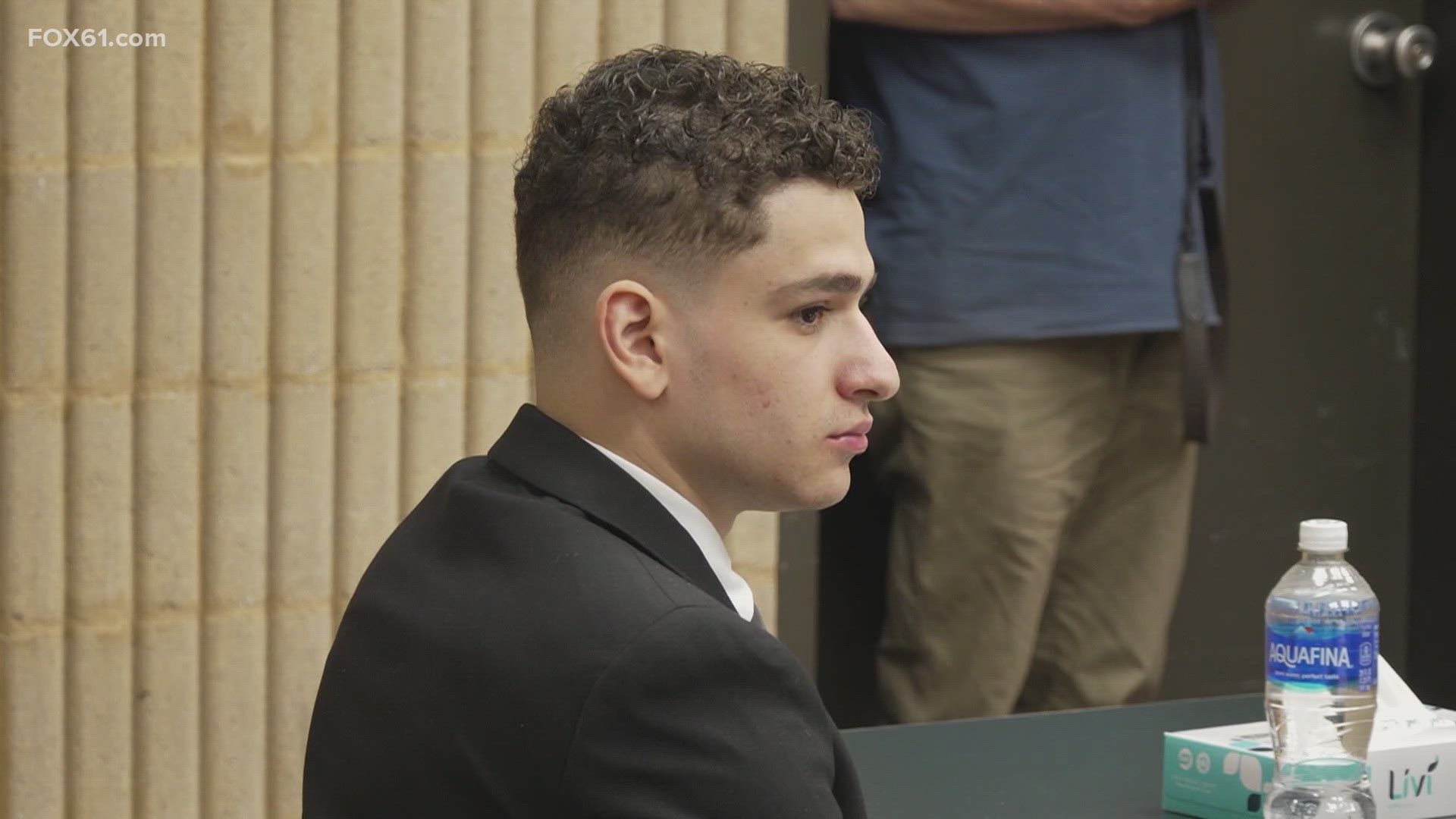
Emotional Courtroom Scene as Trial Opens for Mother Accused of Torturing 9-Year-Old Son to Death
The trial of Ioana-Maria Micu, accused of torturing her 9-year-old son Raul to death, opened this week in Ghent, Belgium, in a case that has shocked the nation and drawn international attention. The proceedings, which began on Thursday, April 23, 2026, have been marked by harrowing testimony, emotional outbursts and a courtroom atmosphere so charged that even a translator was overcome with grief and had to step aside. Micu, 33, and her ex-partner, Nicușor Ciurcui, 37, face charges of torture resulting in the boy’s death, with potential sentences of up to 30 years in prison if convicted.

The case centers on the brutal treatment of Raul, whose body was discovered in the Houtdok canal in Ghent on April 13, 2023. According to prosecutors, the child had been subjected to weeks of horrific abuse before his death, which occurred in late January 2023. His body was found weighted down in a sports bag filled with stones, a grim detail that has haunted the public and fueled demands for justice. The trial has revealed disturbing accounts of the boy’s final months, including testimony from his sister, who described a regime of starvation, physical violence, and psychological torment.
On Monday, the courtroom was gripped by an unprecedented moment of raw emotion. As a translator relayed a heartbreaking statement—reportedly from a family member—she broke down in tears, unable to continue. The words, “Je n’arrive pas à croire que tes yeux soient fermés maintenant…” (“I can’t believe your eyes are closed now…”), echoed through the silent courtroom, capturing the grief and disbelief of those present. The translator’s distress underscored the profound impact of the case, not only on the victims’ family but on all those involved in the proceedings.
The Horrific Details of Raul’s Suffering
Prosecutors allege that Raul endured weeks of systematic abuse at the hands of Micu and Ciurcui, with evidence suggesting the boy was subjected to extreme physical and psychological cruelty. According to court documents and testimony, the abuse included being forced to drink his own urine, being burned with boiling water, and having objects forced into his mouth to silence his cries. His sister, who was also a victim of the abuse, testified that Raul was often locked in a room without food or water, and that the couple would use violence to punish him for minor infractions.

One particularly chilling account, reported by 7sur7, described how the couple would stuff paper into Raul’s mouth with a stick to muffle his screams. The boy’s sister recounted that he was also forced to stand for hours in stress positions, deprived of sleep, and subjected to humiliating punishments. Medical experts who examined Raul’s body after it was recovered from the canal confirmed that he had suffered multiple fractures, burns, and other injuries consistent with prolonged torture. The autopsy report, cited in court, concluded that the boy died as a direct result of the abuse he endured.
The discovery of Raul’s body came only after family members living abroad raised the alarm about his disappearance. Despite the severity of his injuries and the length of time he had been missing, authorities did not launch a search until weeks after his death. The delay has raised questions about the response of child protection services and law enforcement, though no official misconduct has been alleged in the trial thus far.
A Trial Marked by Emotion and Public Outrage
The trial has drawn significant public attention, with crowds of journalists and concerned citizens gathering outside the Ghent courthouse each day. The case has reignited debates in Belgium about child welfare, the effectiveness of social services, and the need for stronger protections for vulnerable children. Many have expressed outrage over the brutality of Raul’s treatment and the apparent failure of systems designed to protect him.
During the opening session on Thursday, the public prosecutor read the indictment, detailing the charges against Micu and Ciurcui. Both defendants have maintained their innocence, though their legal teams have not yet presented a full defense. The presiding judge, who will question the accused later in the proceedings, has emphasized the need for a thorough and impartial examination of the evidence. An interpreter has been present throughout the trial to assist with translations, given that the defendants are Romanian nationals.
The emotional weight of the case was palpable from the outset. Family members of Raul, including his sister, have been present in the courtroom, their grief visible to all. The translator’s breakdown on Monday was a stark reminder of the human toll of the tragedy, as well as the challenges faced by those tasked with conveying the horrific details of the case to the court. The moment has since gone viral on social media, with many expressing solidarity with the victims and calling for justice.
The Broader Implications of the Case
Beyond the immediate horror of Raul’s death, the trial has highlighted systemic issues in Belgium’s approach to child protection. Advocates for children’s rights have pointed to the case as evidence of gaps in the country’s social services, particularly in cases involving migrant families or those with complex needs. While Belgium has robust child welfare laws, critics argue that more needs to be done to ensure that vulnerable children are identified and protected before it is too late.
The case has also drawn comparisons to other high-profile instances of child abuse in Europe, where failures in communication between agencies or delays in intervention have had devastating consequences. In response to public pressure, Belgian authorities have pledged to review their protocols for handling reports of child abuse and neglect, though no concrete policy changes have been announced as of yet.

For now, the focus remains on the trial itself. The next phase of the proceedings will involve testimony from medical experts, social workers, and other witnesses who can shed light on the circumstances leading to Raul’s death. The court is expected to hear from the boy’s sister in greater detail, as well as from investigators who pieced together the timeline of the abuse. The defense will have the opportunity to present its case in the coming weeks, though no date has been set for closing arguments.
What Happens Next?
The trial is expected to continue for several more weeks, with the next major checkpoint being the testimony of key witnesses, including Raul’s sister and the medical experts who examined his body. The court has not yet announced a timeline for the defense’s presentation, but legal observers expect the proceedings to extend into May. A verdict is not expected before late June or early July, given the complexity of the case and the volume of evidence to be considered.
For those following the case, updates will be provided by the Ghent public prosecutor’s office and through official court channels. The trial is being closely monitored by international human rights organizations, which have called for a transparent and thorough investigation into the circumstances surrounding Raul’s death.
As the world watches, the case of Raul serves as a grim reminder of the vulnerabilities faced by children in even the most developed societies. It is a call to action for stronger protections, better oversight, and a renewed commitment to ensuring that no child suffers in silence.
What are your thoughts on this case? How can societies better protect vulnerable children from abuse? Share your views in the comments below and join the conversation on social media.