
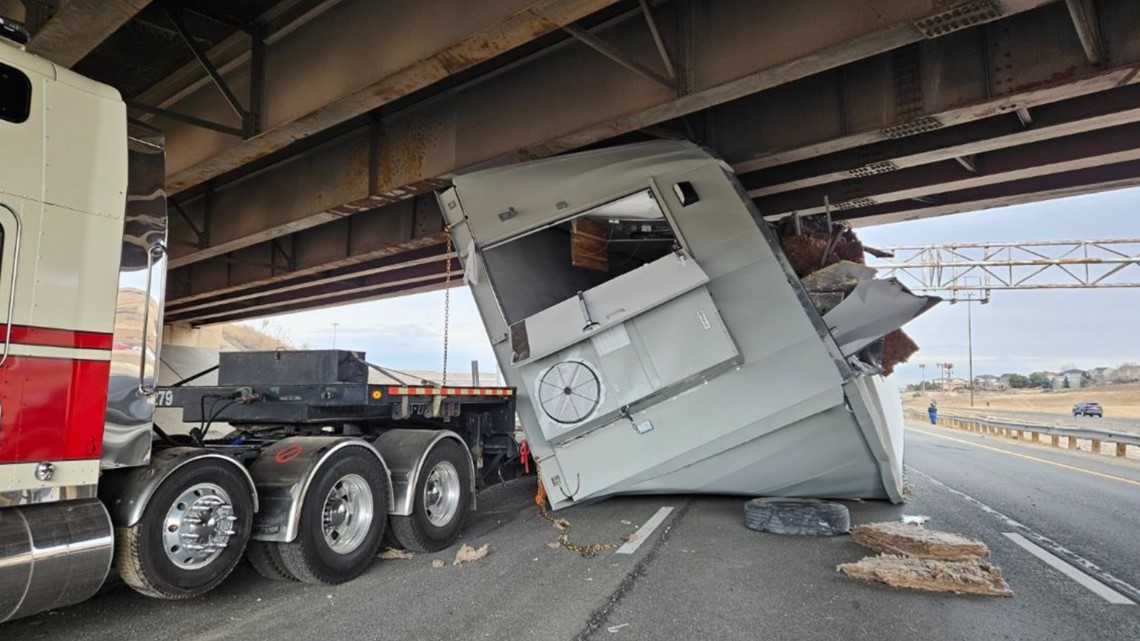
A hit-and-run incident involving a heavy goods vehicle (HGV) has sparked a police investigation and raised structural safety concerns on the A21 motorway in northern Germany. A truck collided with a highway bridge at the Bargteheide junction, causing visible damage before the driver fled the scene without reporting the accident.
The collision occurred in a region already under significant pressure due to aging infrastructure and ongoing reconstruction efforts. Local authorities are now working to identify the vehicle and driver, while engineers assess whether the impact has compromised the structural integrity of the overpass.
This incident highlights a recurring tension in German logistics: the struggle between the demands of oversized freight transport and a highway network that is frequently under repair or limited by outdated height clearances. For commuters and transport companies, the event serves as a stark reminder of the disruptions that follow when infrastructure safety is compromised.
Collision at the Bargteheide Junction
The incident took place at the Autobahnkreuz Bargteheide, a critical intersection in the state of Schleswig-Holstein where the A21 and A1 motorways meet. According to reports, a truck exceeded the height limit of the bridge, resulting in a “scraping” effect that damaged the underside of the structure.

Rather than stopping to report the damage—a legal requirement under German traffic law—the driver continued their journey. This “hit-and-run” aspect of the crash has shifted the situation from a simple traffic accident to a criminal investigation. The Schleswig-Holstein State Police are currently reviewing surveillance footage and seeking witness statements to track the vehicle’s trajectory and identify the company involved.
Immediate traffic disruptions followed the crash as authorities managed the scene. While the bridge remained open to traffic initially, safety inspections are standard procedure following any impact to a support structure to ensure that no critical reinforcement was damaged.
Infrastructure Under Pressure
The timing of the collision is particularly problematic given the current state of the Bargteheide junction. Since May 2024, the area has been a focal point for bridge renewal, specifically the construction of a new bridge for the A21 over the A1. This project has involved the use of temporary bridges and frequent lane closures to facilitate the replacement of aging concrete.

The broader context of “marode Brücken”—or crumbling bridges—is a persistent political and social issue in Schleswig-Holstein. For instance, the Autobahnbrücke Neumünster-Nord, built in 1968, has faced similar degradation, leading to lane closures to prevent structural failure. The prevalence of these issues means that any additional impact, such as a truck collision, carries a higher risk of causing significant long-term closures.
Infrastructure managers from the Autobahn GmbH are tasked with balancing these urgent repairs with the need to keep one of Europe’s busiest logistics corridors operational. When a driver fails to report a collision, it delays these critical safety assessments, potentially leaving a weakened structure in use for hours or days before the damage is officially noted.
The Legal and Safety Implications of Bridge Strikes
In Germany, hitting a bridge and leaving the scene is classified as a serious offense. Beyond the immediate property damage, the act of fleeing constitutes a “Unerlaubtes Entfernen vom Unfallort” (leaving the scene of an accident), which can result in heavy fines, the loss of a driving license, or even imprisonment depending on the severity of the damage and the danger posed to other road users.
From a technical perspective, bridge strikes are not merely cosmetic. Modern highway bridges are designed to withstand specific vertical loads, but they are not built to absorb the horizontal or shearing force of a multi-ton truck scraping against the beams. Potential risks include:
- Spalling: The breaking off of concrete fragments, which can fall onto the motorway below, endangering other drivers.
- Reinforcement Exposure: Scraping can strip away the protective concrete layer, exposing steel rebar to moisture and salt, which accelerates corrosion.
- Structural Shifting: In older bridges, a significant impact can shift the alignment of the bridge deck, necessitating immediate weight restrictions.
Impact on Logistics and Transport
For the logistics industry, these incidents underscore the necessity of precise route planning. Many modern trucking companies utilize GPS systems with “HGV-specific” settings that account for bridge heights. However, during construction phases—such as those currently active at the Bargteheide junction—temporary height restrictions may be implemented that are not always updated in real-time across all navigation platforms.
The financial burden of such accidents typically falls on the transport company. If the driver is found to have ignored clear height warning signs, insurance companies may seek recourse for “gross negligence,” leaving the firm liable for the full cost of the structural repairs.
What Happens Next
The investigation into the Bargteheide hit-and-run is ongoing. Police are focusing on the timeline of the collision to cross-reference with toll data and camera feeds from the A21 corridor. Once the vehicle is identified, the driver will likely face charges related to property damage and fleeing the scene of an accident.
Meanwhile, the Autobahn GmbH will continue its scheduled works at the junction. The current goal is to complete the primary bridge replacements by the end of the year to restore full capacity and eliminate the need for the temporary structures that often create these height-clearance challenges.
Motorists traveling through Schleswig-Holstein are encouraged to stay updated via official traffic portals and to report any observed structural damage to highway authorities immediately to prevent potential accidents.
Next Checkpoint: Local authorities are expected to release further updates if the vehicle or driver is identified through the ongoing police appeal.
Do you have experience with infrastructure delays or have you witnessed similar incidents? Share your thoughts in the comments below or share this article to alert other drivers in the region.