
The intersection of international sports and geopolitical conflict has ignited a fresh wave of tension following a sharp verbal exchange between a Ukrainian football legend and a prominent Russian political figure. The clash highlights the deep-seated animosity and the precarious nature of diplomatic relations as some sporting bodies commence to carve out paths for the return of Russian athletes to global competition.
Oleksiy Mykhaylychenko, a former Dynamo Kyiv star and 1988 European vice-champion, sparked significant backlash after using a derogatory term to describe Russians. In a statement that drew immediate condemnation from Moscow, Mykhaylychenko compared the perceived narcissism of certain fans to what he termed “Russian carrion.”
The comment has intensified the ongoing Russian sports controversy, occurring just as international governing bodies are debating the terms under which athletes from Russia and Belarus may resume competition. Whereas some organizations maintain strict bans, others are introducing stringent “neutral” frameworks to separate athletic achievement from national identity.
A Sharp Exchange of Words: Mykhaylychenko and Zhurova
The controversy began when Oleksiy Mykhaylychenko, regarded as one of the legends of Dynamo Kyiv, issued a scathing critique. While discussing the behavior of English fans—describing them as stiff, haughty, and narcissistic—he drew a direct and provocative parallel, stating they were “narcissistic like this Russian carrion.”
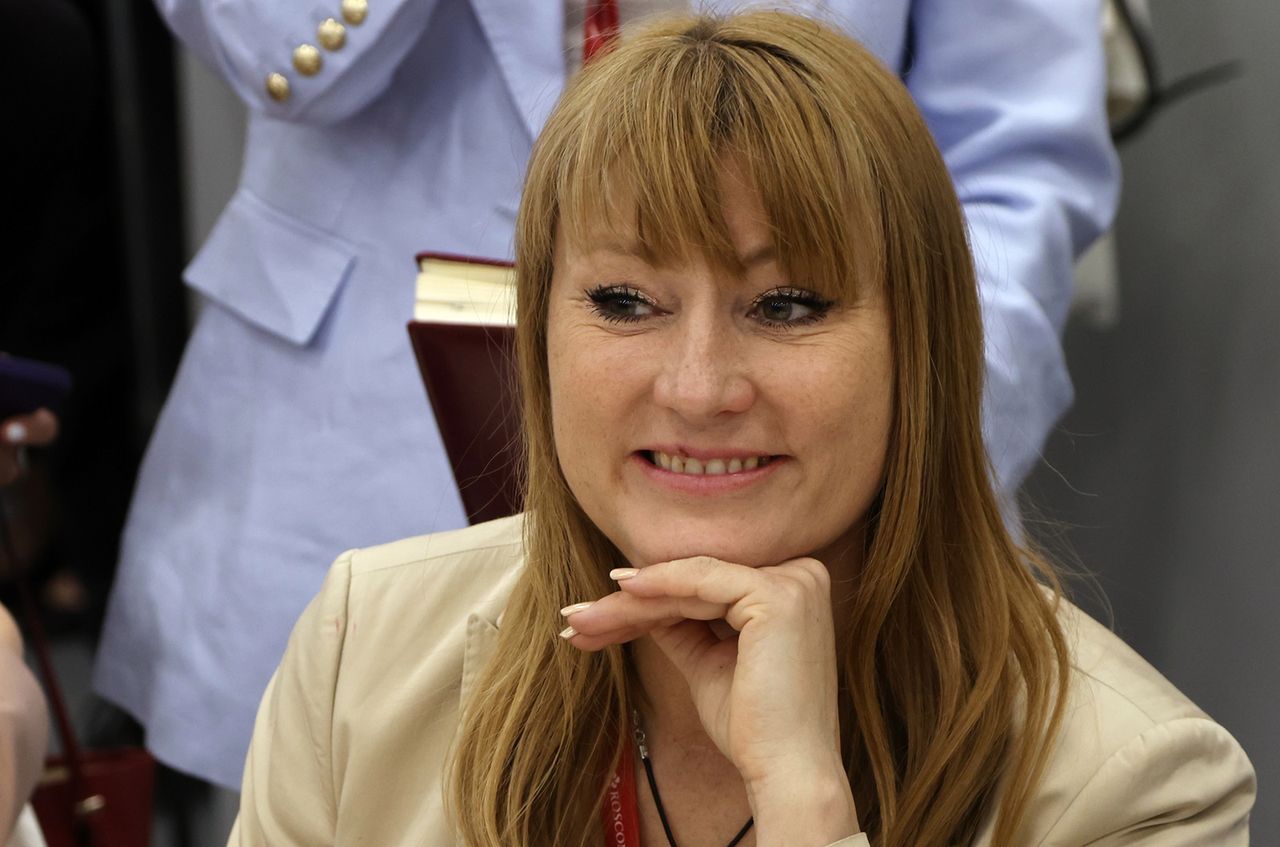
The reaction from Russia was swift. Svetlana Zhurova, a deputy of the Russian State Duma and a former Olympic champion in speed skating, responded through the portal lenta.ru. Zhurova characterized Mykhaylychenko’s words as “pure provocation” and accused the former footballer of deliberately fueling hostility.
“We do not call them that. And we will never call them that, because we will certainly not descend to that level. Why stir people up? Why provoke our fans? We see pure provocation,” Zhurova stated.
Zhurova, 54, expressed concern that such rhetoric could incite Russian fans to seek retribution. However, she suggested that when Russian athletes eventually return to international play, they should respond in a “gentlemanly” manner. Zhurova is often viewed as a controversial figure in her own right, having previously described Vladimir Putin as the “most democratic president.”
World Boxing Opens Door for Neutral Athletes
While political figures trade insults, the administrative landscape for Russian athletes is shifting. World Boxing has officially approved procedures that allow boxers from Russia and Belarus to return to competition immediately, albeit under strict limitations. This move comes after a period of suspension triggered by the 2022 military aggression of Russian forces against Ukraine, which involved operations from Belarusian territory.

To facilitate this return, World Boxing has implemented the Athletes Individuels Neutres (AIN) procedure. This framework allows athletes, coaches, and officials to participate as neutral competitors, effectively stripping away all national identifiers to mitigate political friction during events.
The AIN procedure is designed to ensure that the focus remains on the sport rather than the state. Under these guidelines, the following restrictions are mandatory for any Russian or Belarusian participant:
- National Symbols: No Russian or Belarusian flags or federation emblems are permitted at boxing galas or tournaments.
- Ceremonial Protocols: If a neutral athlete wins a medal, no national anthem will be played; instead, the AIN flag will be raised.
- Equipment Approval: All clothing and gear for both athletes and their coaching staff must be submitted for approval prior to the event.
- Conduct: Neutral athletes are prohibited from manifesting their country of origin in any way from the moment they arrive at a tournament.
The Secretary General of World Boxing has already communicated these specific implementation rules to the respective federations in Russia, and Belarus. These athletes are now eligible to compete in events organized by World Boxing, European Boxing, and affiliated national federations.
The Broader Impact of Neutral Status
The introduction of the AIN procedure represents a growing trend in international sports to balance the principle of individual athletic rights with the demand to penalize state aggression. By removing the flag, anthem, and national colors, governing bodies aim to prevent sporting events from becoming platforms for nationalistic propaganda.

However, as the exchange between Mykhaylychenko and Zhurova demonstrates, the emotional and political divide remains vast. For many in Ukraine and the broader international community, the return of any Russian representative—even under a neutral banner—is viewed with skepticism or outright hostility.
The tension is not limited to boxing. Across various disciplines, the debate continues over whether “neutrality” is a sufficient safeguard or if a total ban is the only appropriate response to the ongoing conflict. The challenge for organizations like World Boxing is to maintain the integrity of the sport while navigating a geopolitical minefield where words like “carrion” and “provocation” dominate the discourse.
Summary of Neutral Athlete (AIN) Restrictions
| Feature | Standard Athlete | AIN Neutral Athlete |
|---|---|---|
| National Flag | Displayed | Prohibited (AIN Flag used) |
| National Anthem | Played on Victory | Prohibited |
| Apparel/Gear | National Colors | Pre-approved Neutral Gear |
| Affiliation | National Federation | Individual Neutral |
The next critical checkpoint for the sporting community will be the first major international tournament where the AIN procedures are fully deployed. Observers will be watching closely to see if the strict prohibitions on national manifestation are upheld and how competing athletes from Ukraine and other affected nations react to the presence of neutral Russian competitors.
Do you believe neutral status is a fair compromise for returning athletes, or should bans remain absolute? Share your thoughts in the comments below.