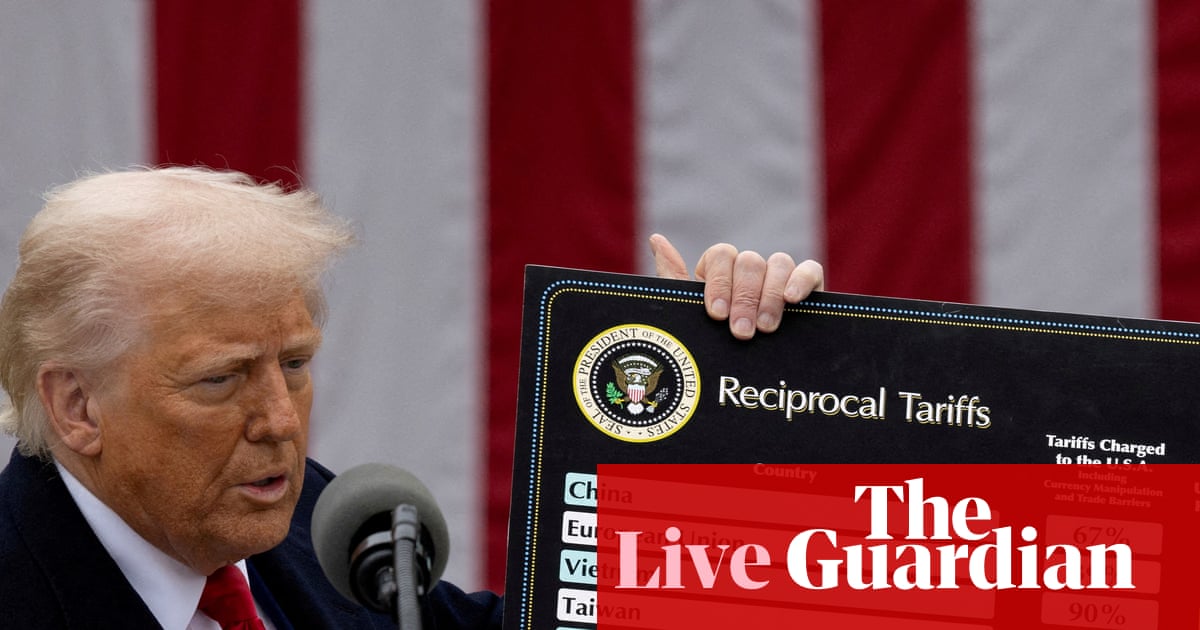
The Trump administration has begun implementing a system to refund billions of dollars in tariffs collected during its trade war with China, marking the first step in fulfilling a court-ordered repayment to American businesses. The initiative follows a landmark 2023 ruling by the U.S. Court of International Trade, which determined that certain tariffs imposed under Section 301 of the Trade Act of 1974 exceeded presidential authority and were therefore unlawful. As of early 2024, the Department of Commerce and U.S. Customs and Border Protection have launched an online portal allowing importers to submit claims for refunds on duties paid on goods such as industrial machinery, electronic components, and consumer products.
The refund process stems from a series of legal challenges brought by importers and trade associations who argued that the Trump-era tariffs were applied without proper congressional oversight. In a decision issued in June 2023, the Court of International Trade ruled that the executive branch had overstepped its constitutional bounds by imposing sweeping duties without adhering to the procedural requirements of the Trade Act. The judgment specifically cited the administration’s apply of national security justifications for tariffs on goods not related to defense, which the court found lacked sufficient evidentiary basis.
According to the U.S. International Trade Commission, the total amount of duties collected under the contested Section 301 actions between 2018 and 2020 amounted to approximately $166 billion, a figure now central to the repayment effort. While not all of this sum is expected to be refunded — due to exemptions, expired entries, and ineligible claims — the administration has confirmed that the initial phase will prioritize businesses with clear documentation of payments made during the 2018–2019 period, when the bulk of the duties were levied.
The newly launched claims system, accessible through the U.S. Customs and Border Protection website, requires applicants to provide entry numbers, payment records, and proof of eligibility under the court’s criteria. Officials have stated that processing times may vary, with simpler claims potentially resolved within 60 to 90 days, while more complex cases involving multiple product classifications or disputed valuations could take longer. The Department of Commerce has also issued guidance to help importers determine whether their specific goods fall within the scope of the refundable duties.
Trade analysts note that the repayment initiative carries significant implications for U.S. Trade policy and executive authority. The precedent set by the court’s ruling could constrain future administrations from using trade remedies unilaterally, reinforcing Congress’s role in shaping international commerce laws. At the same time, businesses that absorbed the tariff costs — particularly small and mid-sized importers — stand to receive much-needed financial relief, especially amid ongoing inflationary pressures and supply chain volatility.
Industry groups such as the National Retail Federation and the American Import Association have welcomed the rollout but urged the administration to ensure transparency and timely disbursements. In a joint statement released in March 2024, they emphasized that delays in refunding could undermine confidence in the trade system and disproportionately affect companies that lack the financial reserves to absorb prolonged uncertainty.
The Treasury Department has not yet released an official estimate of how much will ultimately be returned, though internal projections cited in congressional testimony suggest the total could range between $40 billion and $80 billion, depending on claim validation rates and legal challenges to the refund methodology. Lawmakers from both parties have called for greater oversight, with some proposing legislation to require quarterly reporting on the status of the repayment effort.
As the refund process unfolds, it remains under close scrutiny from watchdog organizations and legal experts who warn that any appearance of favoritism or bureaucratic delay could invite further litigation. The Court of International Trade has retained jurisdiction over the case and may intervene if disputes arise over eligibility criteria or payout schedules.
For businesses seeking to file a claim, the official portal provides step-by-step instructions and a helpline operated by Customs and Border Protection. Importers are advised to gather documentation related to entries made between July 2018 and December 2019, as this window captures the majority of the duties now under review. Legal counsel specializing in international trade law has reported increased demand for consultation services as companies navigate the complex requirements.
The administration has framed the initiative as a commitment to upholding the rule of law in trade policy, even as it continues to defend other aspects of its tariff strategy in ongoing negotiations. Officials have stressed that the refund process does not signal a retreat from addressing unfair trade practices but rather a recognition that such measures must be implemented within constitutional boundaries.
With the first wave of claims now being processed, stakeholders across the import sector are watching closely to see how efficiently and equitably the government handles what could be one of the largest administrative repayments in U.S. Trade history. The outcome may influence not only the financial health of thousands of businesses but also the future balance of power between the executive and legislative branches in shaping national trade policy.
As this process continues to develop, the Department of Commerce has indicated that it will provide periodic updates on the number of claims received, approved, and paid out, with the first comprehensive report expected in mid-2024. Those seeking the most current information are encouraged to monitor the official CBP trade relief page or subscribe to updates from the International Trade Administration.
We invite readers to share their experiences or insights regarding the tariff refund process in the comments below. If you found this article informative, please consider sharing it with others who may be affected by these developments.
Worth a look