The role of coal in the American energy portfolio has remained a flashpoint of political and economic debate for over a decade. Throughout various administrations, federal efforts to revitalize the domestic coal industry have faced significant headwinds, ranging from the rapid expansion of natural gas infrastructure to the declining costs of renewable energy alternatives. As global energy markets shift toward decarbonization, federal intervention in the fossil fuel sector continues to spark intense scrutiny regarding both economic viability and climate policy.
In various policy discussions, the concept of a multi-million dollar federal investment plan to support the struggling coal industry has been a recurring theme. While specific, large-scale direct subsidies—such as the cited figure of an $800 million injection—have been proposed or debated in various legislative contexts, the actual implementation of such funds often faces complex legal and regulatory hurdles. These efforts, often framed as strategies to ensure energy security and maintain grid reliability, frequently encounter challenges from environmental groups and market analysts who point to the long-term decline in coal-fired generation as an irreversible market trend.
The Economic Reality of the Coal Sector
The U.S. Coal industry has experienced a profound transformation since the mid-2000s. According to data from the U.S. Energy Information Administration (EIA), the total consumption of coal in the United States has fallen significantly as power plants switch to natural gas and wind or solar power. This transition is largely attributed to the relative price of fuel and the tightening of emissions regulations under the Clean Air Act, which has rendered many older coal-fired units economically uncompetitive.
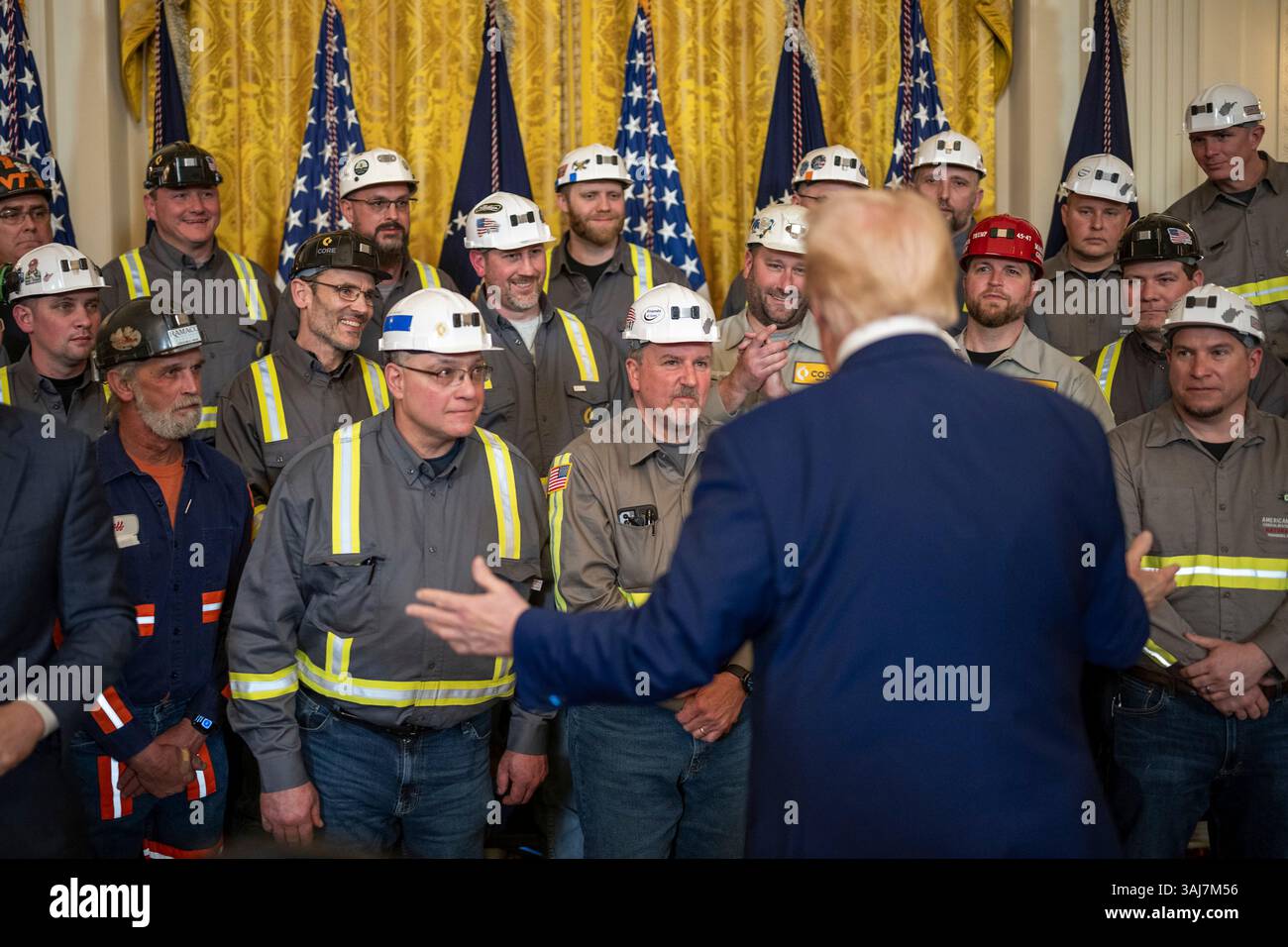
Efforts to modernize existing plants, such as smaller-scale investments in Wisconsin or regional infrastructure projects in the West, are often presented by proponents as essential measures to protect jobs in coal-reliant communities. However, these localized projects frequently operate within a broader, volatile market. For instance, the Environmental Protection Agency (EPA) has maintained strict standards for power plant emissions, which continue to influence the operational lifespan of coal facilities regardless of federal funding availability.
Policy Mechanisms and Regulatory Hurdles
When federal authorities consider using emergency powers or specific budgetary allocations to prop up the coal industry, they must navigate the constraints of the Federal Power Act and other regulatory frameworks. The use of federal funds to influence energy markets is subject to oversight by the Federal Energy Regulatory Commission (FERC), which is tasked with ensuring just and reasonable rates for electricity. Any attempt to artificially sustain coal plants through direct subsidies often faces litigation regarding whether such actions distort competitive wholesale markets.

the shift toward “clean coal” technologies—often referring to Carbon Capture, Utilization and Storage (CCUS)—remains a subject of intense research and development. While the Department of Energy (DOE) has allocated significant research grants for these technologies, their deployment at a commercial scale remains limited by high capital costs and the technical complexity of retrofitting aging infrastructure.
Key Factors Influencing Coal Policy
- Market Competition: The abundance of low-cost natural gas remains the primary driver for coal-plant retirements.
- Regulatory Environment: Ongoing federal standards regarding mercury, air toxics, and carbon emissions dictate the operational costs of coal facilities.
- Grid Reliability: Proponents of coal argue that baseload power provided by coal is essential, though grid operators like PJM Interconnection increasingly rely on a diverse mix of resources to maintain stability.
- Economic Impact: Funding directed toward coal-reliant regions often focuses on “just transition” programs rather than permanent subsidies for fossil fuel extraction.
What Happens Next: Monitoring the Energy Landscape
For stakeholders and the public, the future of the coal industry will likely be determined by the intersection of upcoming judicial rulings on EPA emissions standards and the continued growth of utility-scale renewable energy projects. Investors are closely watching the official announcements from the EPA regarding the finalization of new performance standards for existing power plants, which are expected to serve as a bellwether for the industry’s trajectory over the next decade.

As we continue to track these developments at World Today Journal, we encourage our readers to examine the official filings and regulatory dockets available through the Federal Register. These documents provide the most accurate account of how federal energy policy is being shaped, moving beyond rhetoric to the specific legal mechanisms in play. We welcome your perspective on these energy policy shifts in the comments section below, and we invite you to share this analysis as we continue our reporting on global energy affairs.
Jonathan Reed serves as the News Editor at World Today Journal, focusing on international affairs and the intersection of policy and industry. With over 16 years of experience, he provides investigative analysis on the developments shaping our global economy.
Worth a look