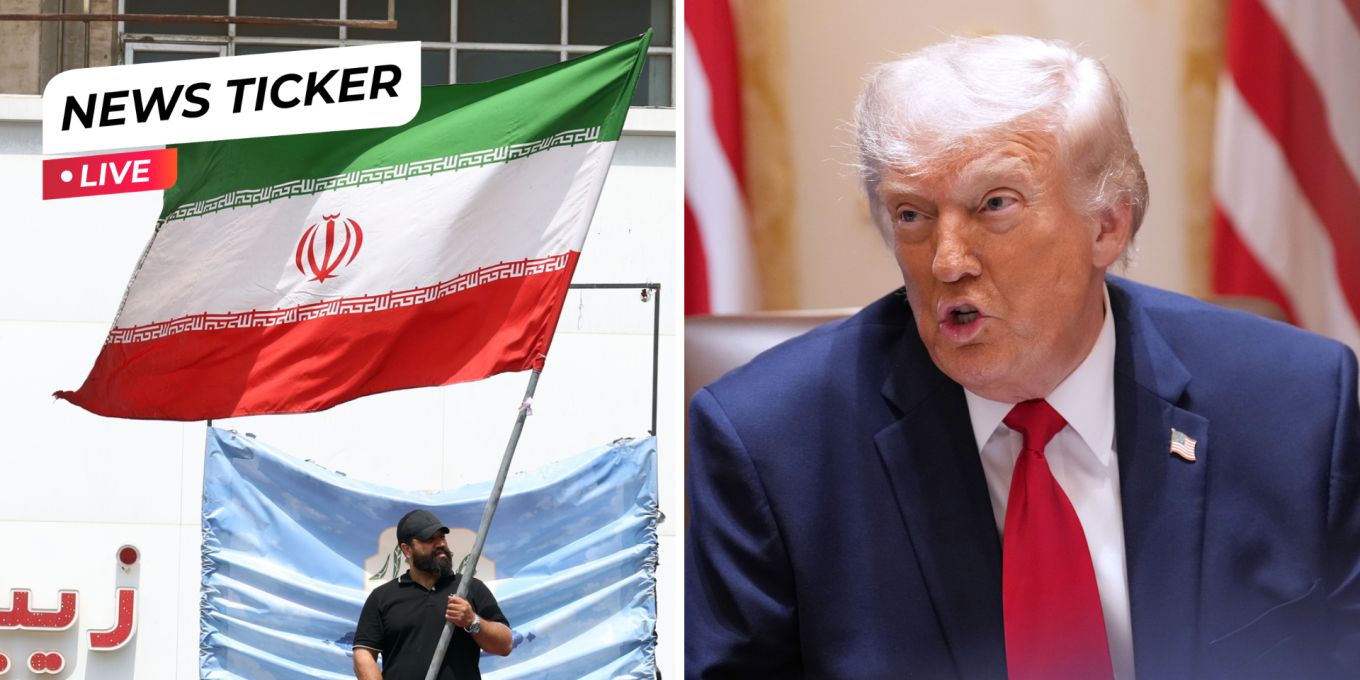
The heightened state of military tension between the United States and Iran has historically centered on the protection of regional assets and the volatile nature of diplomatic signaling. While past incidents have occasionally prompted reports of retaliatory strikes or impending military action, official verification remains the primary filter for distinguishing between strategic posturing and actual armed conflict. As global markets and geopolitical observers track these developments, the distinction between reported “retaliatory strikes” and confirmed military engagement remains a critical point of analysis for international security.
In various instances of escalation in the Middle East, such as the 2019 downing of a U.S. surveillance drone or the 2020 retaliatory strikes following the death of Qasem Soleimani, the U.S. Department of Defense has consistently required official mission reports to confirm engagement. Reports suggesting that Iran has launched strikes against U.S. bases often circulate during periods of heightened rhetoric, yet these claims are frequently evaluated against official statements from the Pentagon or the U.S. Central Command (CENTCOM) to determine their validity. Investors and international observers often look to these verified channels to understand the stability of the Strait of Hormuz and the broader Persian Gulf region.
Evaluating Diplomatic Signaling and Military Posture
The intersection of military threats and diplomatic negotiations creates a complex environment for global policy. In previous instances where U.S. administrations have considered military responses—such as the 2019 decision to call off a strike against Iranian targets—the rationale cited by officials often involved proportionality and the potential for de-escalation. According to records from the U.S. Department of State, the policy framework for dealing with Iran has historically oscillated between “maximum pressure” campaigns and attempts at structured dialogue. When leaders suggest a “deal” or a diplomatic opening is imminent, these statements are typically contrasted with ongoing intelligence regarding Iranian proxy activity and regional troop deployments.
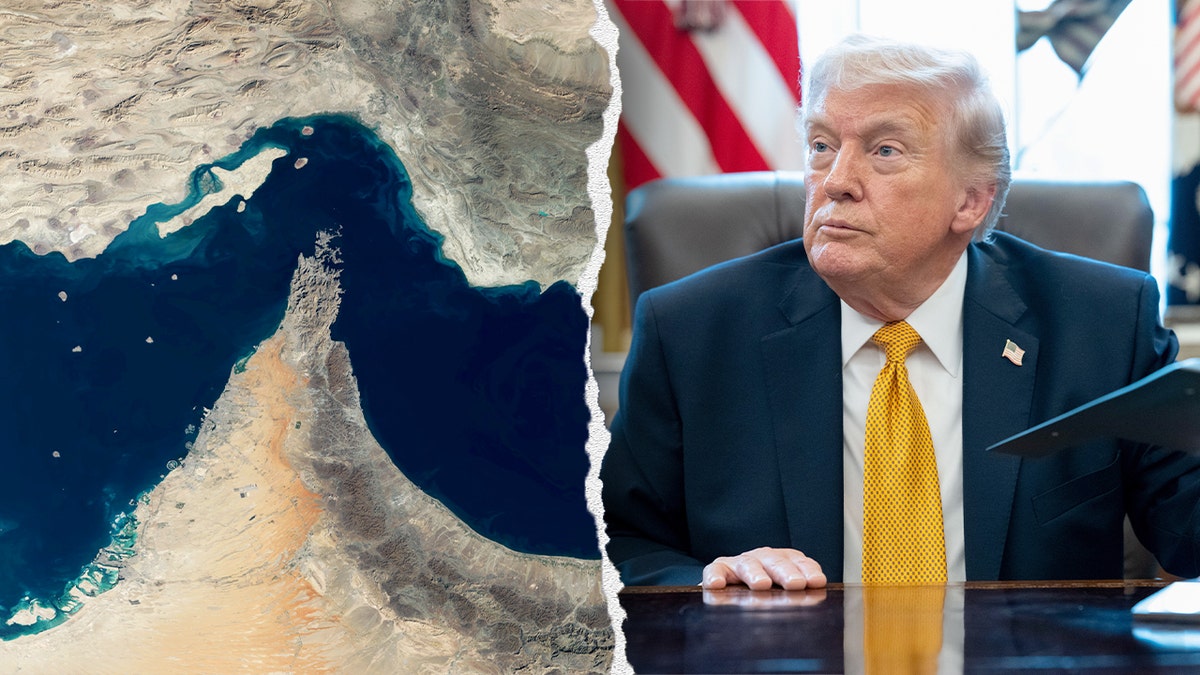
The impact of these events on global markets is often immediate. Financial analysts frequently monitor the price of Brent crude and the strength of the Euro against the U.S. Dollar as proxies for regional stability. During periods of perceived escalation, market volatility often increases, reflecting investor anxiety over potential supply chain disruptions in the Middle East. However, as noted by the International Monetary Fund, market reactions to geopolitical news are often tempered by the underlying resilience of global energy infrastructure and the historical tendency for both sides to avoid direct, large-scale confrontation.
Understanding Regional Security Dynamics
The security architecture of the Middle East relies on a network of U.S. military installations and local partnerships. When reports of strikes or threats emerge, they are analyzed based on the specific location and the intent behind the action. For instance, attacks on U.S. facilities are often attributed to regional militias supported by Tehran, rather than direct state-on-state fire. This distinction is vital for understanding the rules of engagement. The U.S. Central Command maintains a public record of incidents, providing a verified timeline that serves as the gold standard for journalists and policy experts when assessing the veracity of claims regarding base security.
The rhetoric surrounding these events—often characterized by public announcements of “retaliation”—frequently functions as a tool for domestic audiences. Researchers at organizations like the Carnegie Endowment for International Peace have noted that the strategic use of media to announce military intentions is a well-documented element of the Iran-U.S. standoff. By framing actions as inevitable or imminent, state actors can exert pressure on international negotiators without necessarily committing to a kinetic engagement that could lead to a broader regional war.
The Role of Verification in Modern Reporting
As Editor of the World section, I emphasize that accuracy in the face of rapid, unverified reports is paramount. The modern information landscape is prone to the rapid spread of claims that lack the backing of official logs or on-the-ground confirmation. When a report states that a “retaliatory strike” has occurred, the immediate next step for any rigorous newsroom is to verify that information against reports from the Reuters news agency or the Associated Press, both of which maintain extensive networks in the region to verify military incidents.
For readers seeking to understand the current state of U.S.-Iran relations, the most reliable information will always come from official press briefings issued by the White House or the Pentagon. Relying on verified, primary sources prevents the misinterpretation of diplomatic posturing as an act of war. As we continue to cover the evolving situation in the Middle East, we remain committed to providing updates based solely on confirmed developments rather than speculative reports of military action.
We encourage our readers to stay informed through official government portals and established international news outlets. If you have questions regarding the sources cited or wish to engage in a discussion about the geopolitical implications of these events, please leave a comment below or join the conversation on our social media channels. We will continue to update this page as new, verified information becomes available.
Keep reading