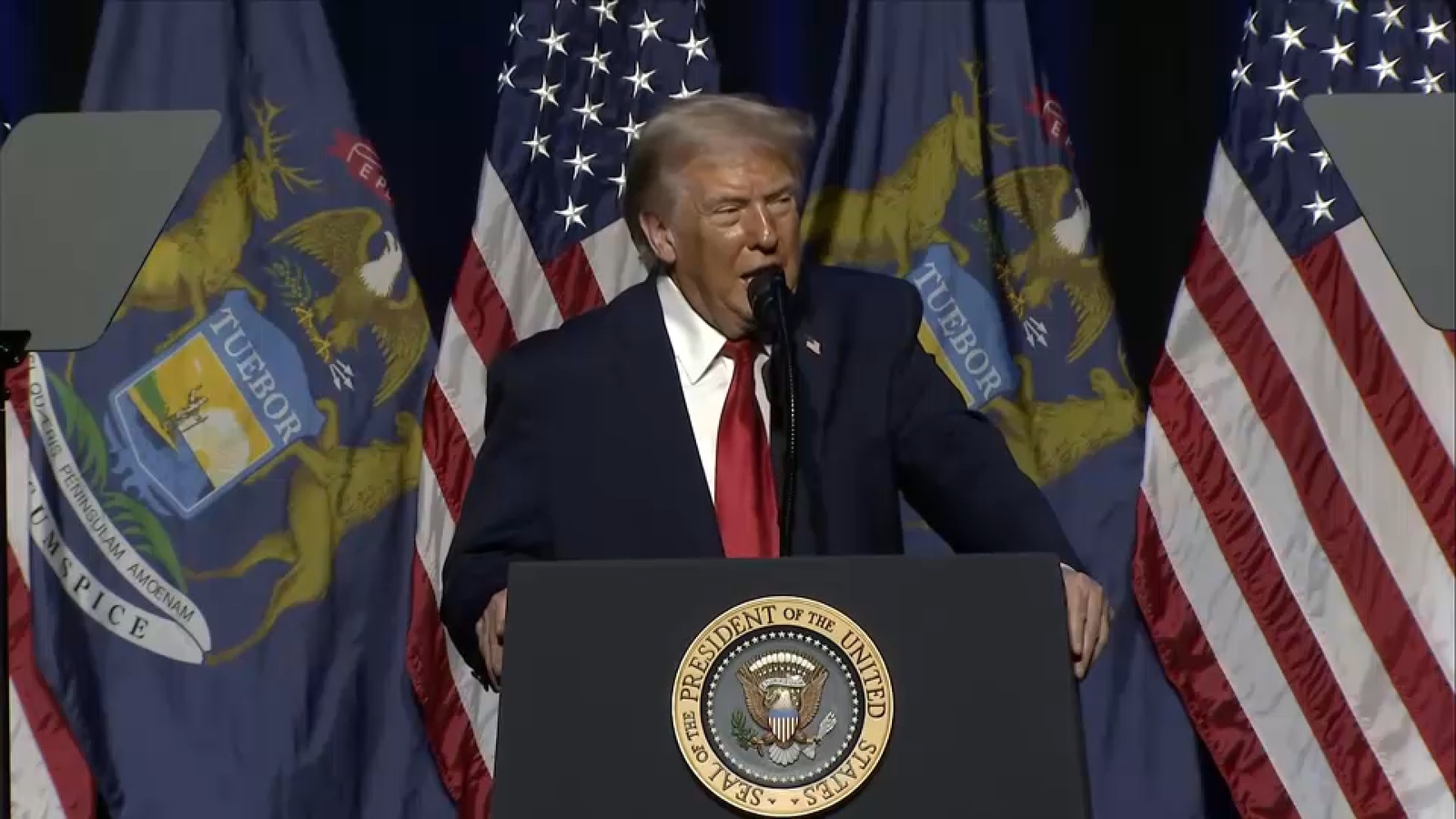
Federal funding for cities and states deemed “sanctuaries” is facing potential cuts, as announced by President Donald Trump on Tuesday. The management intends to withhold federal payments beginning february 1st, targeting jurisdictions perceived as prioritizing the protection of undocumented immigrants over the interests of American citizens.
During a speech delivered at the Detroit Economic Club, President Trump articulated his rationale, asserting that these sanctuary policies foster fraud, crime, and a host of related issues. He specifically referenced investigations into alleged fraud in Minnesota, attributing it to Somali American communities and linking it to protests against ICE operations. “We are not making any payments to anybody that supports sanctuary cities,” the President stated.
This move immediately sparked a response from local leaders. new York City Mayor Zohran Mamdani swiftly countered the President’s proclamation wiht a social media post, declaring, “Our values and our laws are not bargaining chips.we will always defend New Yorkers, even in the face of federal threats to withhold funding.”
Understanding the Debate Over Sanctuary Cities
The term “sanctuary city” isn’t formally defined in federal law. Generally, it refers to municipalities that limit their cooperation with federal immigration enforcement efforts. These policies can range from refusing to hold individuals on immigration detainers to restricting local law enforcement from inquiring about a person’s immigration status. according to a recent report by the Migration Policy Institute (December 2025), over 160 cities and counties across the United States have some form of sanctuary policy in place.
Did You Know? The debate surrounding sanctuary cities often centers on the balance between local control, public safety, and federal immigration law.
The administration’s decision raises significant legal questions. Legal scholars are divided on whether the federal government has the authority to withhold funds from states and cities based on their immigration policies. Previous attempts to leverage federal funding for immigration enforcement have faced legal challenges,
Related reading