
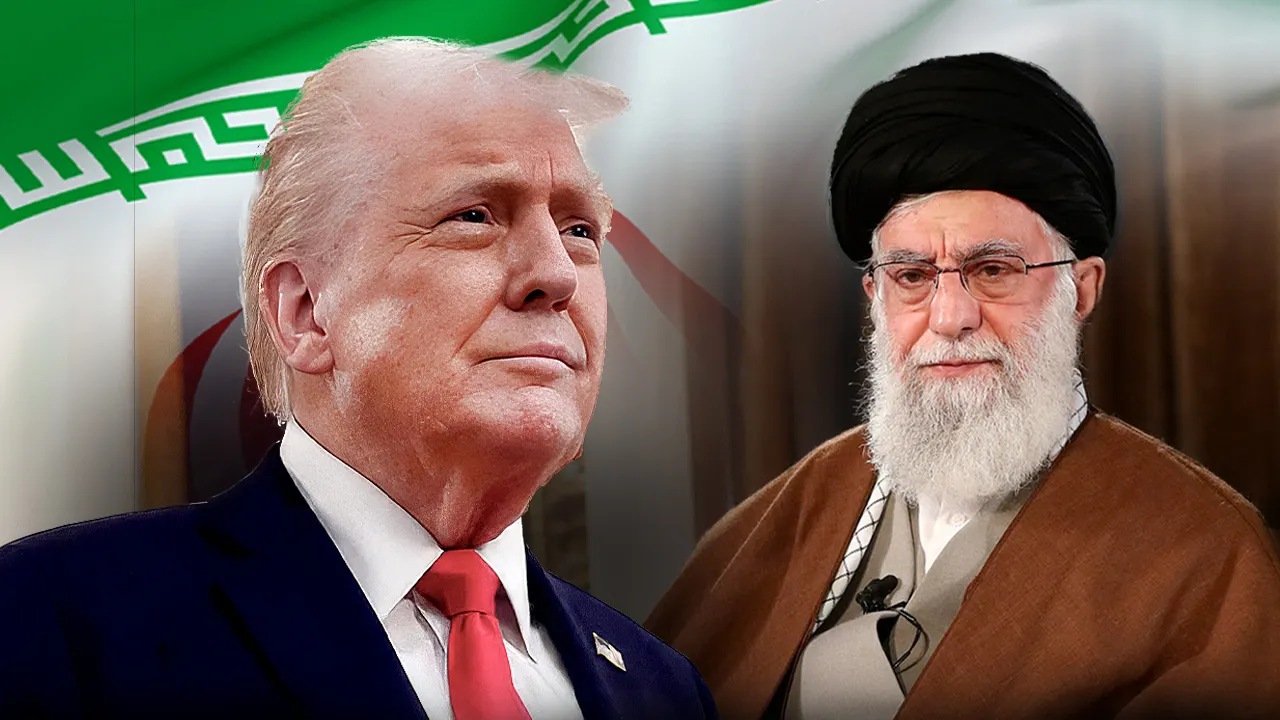
In a sudden shift of diplomatic posture, President Donald Trump has announced he is pulling back on his threats to launch devastating strikes on Iran. The decision to de-escalate comes less than two hours before a Tuesday night deadline he had established for Tehran to agree to a ceasefire and open the Strait of Hormuz.
The pivot follows a day of extreme tension, during which the U.S. President warned that a “whole civilization will die tonight” if his demands were not met. According to recent reports, the administration is now offering a two-week window to avoid immediate military action, provided that Iran agrees to a ceasefire.
This strategic retreat follows an ultimatum that threatened the destruction of critical Iranian infrastructure. Earlier on Tuesday, President Trump had explicitly threatened to target power plants and desalination plants—facilities essential for providing fresh water to Iran’s population of 90 million people—which legal experts note would likely violate the Geneva Convention’s prohibitions against targeting civilian infrastructure necessary for survival according to reports on the legal implications of such strikes.
The sudden change in trajectory provides a narrow diplomatic offramp in a conflict that has seen rhetoric escalate to unprecedented levels. Although the immediate threat of “civilization” ending has been paused, the stability of the region remains precarious as both Washington and Tehran weigh the terms of any potential agreement.
The Ultimatum and the Tuesday Deadline
The tension peaked on Tuesday morning when President Trump took to Truth Social to issue a stark warning to the Islamic Republic. He demanded that Tehran capitulate to a ceasefire deal and ensure the opening of the Strait of Hormuz by 8 p.m. ET. In a post that signaled a major escalation, Trump wrote, “A whole civilization will die tonight, never to be brought back again. I don’t seek that to happen, but it probably will.”
The president framed the moment as a pivotal juncture in global history, suggesting that “47 years of extortion, corruption and death” were coming to an end. He also alluded to the possibility of “Complete and Total Regime Change,” suggesting that “smarter, and less radicalized minds” might prevail if the current leadership were replaced as detailed in his social media posts.
The threats were not limited to political regime change. The U.S. President had expanded the scope of potential strikes to include all power plants and bridges within Iran. Such an operation would have targeted the very backbone of the country’s energy grid and transport logistics, heightening fears of a humanitarian crisis.
Tehran’s Response and the Ceasefire Conflict
Iran’s response to the U.S. Demands was characterized by a rejection of the specific terms offered by the Trump administration. Tehran rejected a 45-day ceasefire proposal, stating instead that it seeks a permanent end to the war according to live updates from the Associated Press.
This fundamental disagreement over the duration and nature of the ceasefire—temporary versus permanent—created a deadlock as the 8 p.m. ET deadline approached. While the U.S. Sought a short-term window to stabilize the region and secure the Strait of Hormuz, Iran maintained that any agreement must be final to ensure its own long-term security.
the conflict has been exacerbated by vows from Tehran to launch even more forceful strikes against Israel and other Gulf nations if the U.S. Proceeded with its threats as reported by PBS NewsHour. This “tit-for-tat” escalation placed the entire Middle East on the verge of a broader regional war.
Economic and Humanitarian Implications
From a business and economic perspective, the threat to the Strait of Hormuz is of critical global importance. As one of the world’s most important oil transit chokepoints, any closure or instability in the Strait typically leads to immediate volatility in global energy markets. The demand for Iran to “open” the Strait suggests that the U.S. Viewed current restrictions or threats to navigation as a primary trigger for military action.
The humanitarian risk associated with the threatened strikes was equally severe. The focus on desalination plants is particularly concerning, as these facilities are the primary source of potable water for millions of Iranians. Under the 1949 Geneva Convention, which the United States has ratified, targeting civilian infrastructure necessary for the survival of the population is prohibited.
The 1977 “additional protocol” further prohibits intentional attacks on civilian objects. Although the U.S. Signed but did not ratify this protocol, it has been binding on all U.N. Member states since 1993, creating a complex legal landscape regarding the legitimacy of targeting Iran’s power grid as noted in legal analyses of the conflict.
What Happens Next: The Two-Week Window
The current state of affairs is a fragile truce. President Trump has delayed the deadline and pulled back on the immediate threat of devastation for a period of two weeks. However, this reprieve is not unconditional; it is subject to Iran agreeing to a ceasefire.
The international community now looks to see if Tehran will move from its demand for a “permanent” end to the war to accept a shorter-term arrangement that satisfies the U.S. Administration’s requirements. The next 14 days will likely involve intense diplomatic maneuvering to determine if a deal can be reached that prevents the “devastating strikes” previously threatened.
| Time/Phase | Action/Event | Key Detail |
|---|---|---|
| Tuesday Morning | Trump’s Truth Social Warning | Threatened that “a whole civilization will die tonight” without a deal. |
| Tuesday Mid-day | Expanded Threat List | Threats expanded to include all power plants and bridges. |
| Tuesday Afternoon | Iran’s Rejection | Tehran rejects 45-day ceasefire, demanding a permanent end to war. |
| Late Tuesday | The “Offramp” | Trump pulls back threats for 2 weeks, subject to ceasefire agreement. |
The next critical checkpoint will be the expiration of this two-week window, at which point the U.S. Administration will determine if the conditions for the ceasefire have been met or if the military options will be revisited.
We invite our readers to share their perspectives on this developing geopolitical crisis in the comments section below.