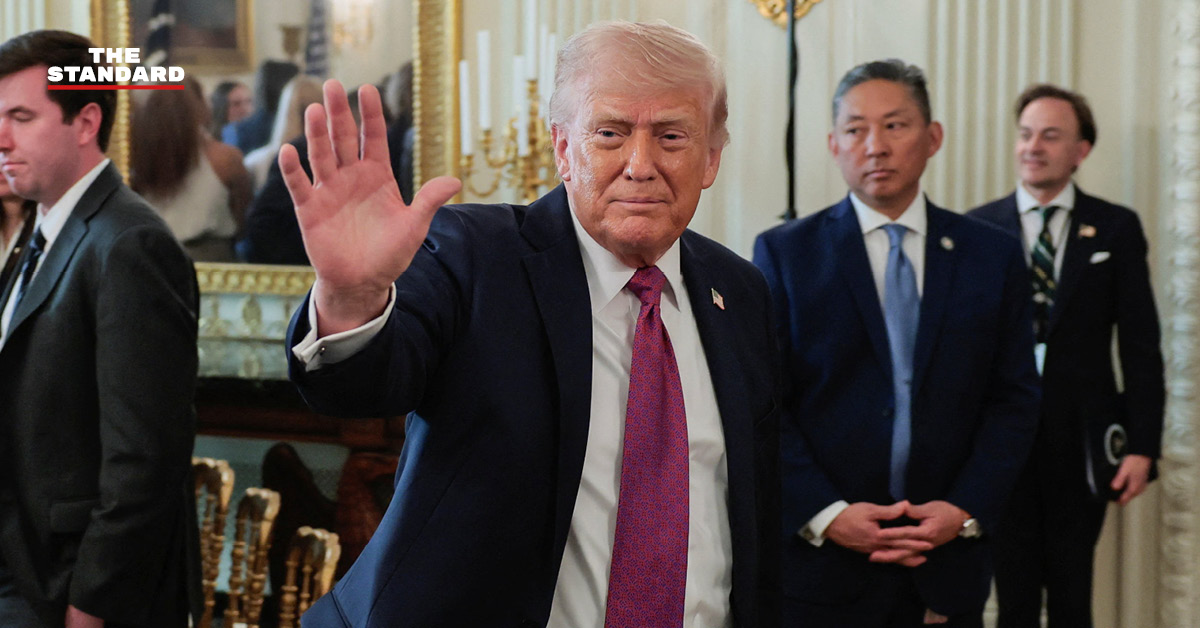
On Wednesday, April 22, 2026, President Donald Trump announced that the United States would extend the temporary ceasefire with Iran indefinitely, stating that the pause in hostilities would remain in place until a final agreement is reached through ongoing negotiations. The declaration came as the previously scheduled expiration date for the ceasefire approached, with Trump emphasizing that no fixed timeline would be imposed on the diplomatic process.
The decision to extend the ceasefire without a set end date follows a period of heightened tension in the region, particularly surrounding maritime security in the Strait of Hormuz. Earlier in the week, Trump had signaled that the U.S. Might not renew the ceasefire if no progress was made in talks, even confirming that a naval blockade of Iranian ports would continue until a deal was secured. However, in a shift from that stance, the president now frames the open-ended extension as a demonstration of commitment to diplomacy, despite ongoing skepticism from Iranian officials.
According to state-run Iranian media outlet Press TV, Iranian authorities have rejected a 15-point peace plan proposed by the Trump administration, citing fundamental disagreements over key issues including compensation for damages incurred during the conflict. Iranian officials described the U.S. Proposal as incompatible with their five core conditions for ending hostilities, which include guarantees on sanctions relief and regional security assurances. The lack of alignment between the two sides has raised concerns about the durability of any temporary truce, even as both parties continue to engage in indirect negotiations.
The Wall Street Journal reported, citing White House officials, that the administration remains prepared to let the ceasefire lapse if meaningful progress is not achieved, underscoring the conditional nature of Trump’s latest announcement. While the president characterized the extension as a goodwill gesture aimed at creating space for dialogue, analysts note that the move likewise serves to maintain pressure on Iran by keeping military options on the table while avoiding an immediate escalation.
European Union officials have separately announced their decision to extend sanctions against Iran in response to ongoing concerns about Tehran’s maritime activities, including allegations of attempts to disrupt shipping lanes in the Strait of Hormuz. The EU’s move reflects broader international apprehension about the stability of the region, even as diplomatic channels between Washington and Tehran remain open, albeit fragile.
As of this date, no formal agreement has been reached between the United States and Iran, and the future of the ceasefire depends entirely on the outcome of continued negotiations. Both sides have acknowledged that significant differences persist, particularly regarding Iran’s nuclear program and regional influence, which remain central sticking points in the talks.
For ongoing updates on the U.S.-Iran ceasefire and diplomatic developments, readers are encouraged to follow official statements from the White House and the U.S. Department of State, as well as verified reporting from international news outlets monitoring the situation.
Share your thoughts on this developing story in the comments below, and help spread awareness by sharing this article with others interested in global affairs.
Keep reading