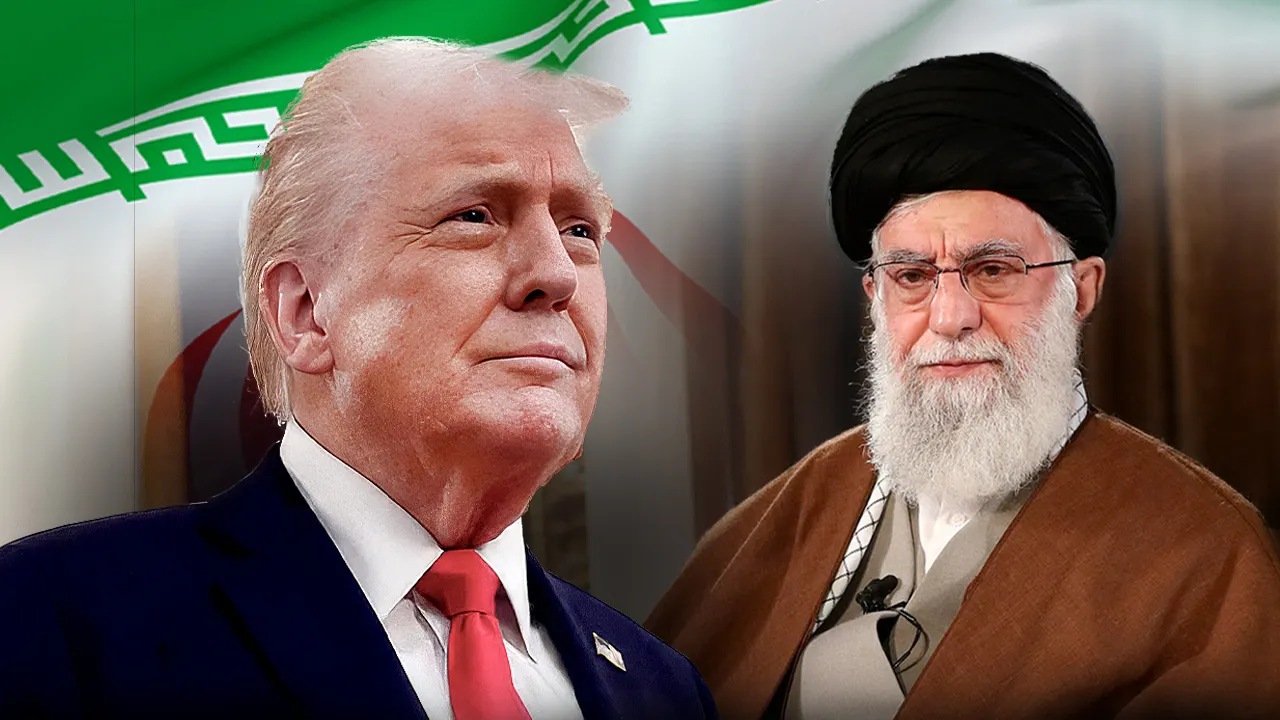
President Donald Trump has announced an extension of the U.S. Ceasefire with Iran, granting Tehran additional time to present a unified proposal for peace talks amid ongoing diplomatic efforts in Pakistan. The decision comes as the initial two-week truce neared expiration, with Trump stating the extension will allow Iranian leaders to “come up with a unified proposal” before negotiations resume. The move follows requests from Pakistani officials, who are hosting talks aimed at de-escalating the conflict.
Trump emphasized that the U.S. Will not launch latest military strikes on Iran during the extended ceasefire period, maintaining a defensive posture while awaiting Tehran’s response. Despite previous assertions that he would not move the deadline, the president reversed course to accommodate diplomatic channels, citing Pakistan’s role as a mediator. The extension does not lift the ongoing U.S. Blockade of Iranian ports, which remains in place as part of broader pressure tactics.
Vice President JD Vance is expected to lead the American negotiating team if talks resume in Islamabad, continuing efforts to secure a deal that Trump has described as attainable given Iran’s financial strain. In recent remarks, the president asserted that Iran’s economy is “collapsing financially,” arguing that this economic pressure leaves Tehran with little choice but to engage in negotiations to reopen vital maritime routes like the Strait of Hormuz.
The ceasefire extension follows a series of maritime incidents in the region, including attacks on commercial vessels in the Strait of Hormuz attributed to Iran’s paramilitary Revolutionary Guard. British maritime authorities reported a second ship came under fire shortly after an initial assault on a container ship, raising concerns about shipping safety in the critical waterway. No casualties were reported in either incident, though both vessels were halted in transit.
These developments occur against a backdrop of internal shifts within Iran’s military structure, with recent reports indicating that Tehran has granted field commanders greater authority over allied militias operating in Iraq. The move reflects broader efforts by Iran’s leadership to adapt to prolonged pressure from U.S. Sanctions and military posturing, though the implications for regional stability remain under close observation by international monitors.
Diplomatic sources indicate that the U.S. Remains open to a comprehensive agreement that would address not only immediate hostilities but also longer-term concerns regarding Iran’s regional influence and nuclear activities. However, Iranian officials have so far declined to attend scheduled talks in Pakistan, maintaining that they see no current path to meaningful negotiation under existing conditions.
The situation remains fluid, with the next key development expected to be Iran’s formal response to the extended ceasefire offer. Analysts note that the duration of the extension has not been publicly specified, leaving the timeline for renewed talks uncertain. For ongoing updates on the U.S.-Iran diplomatic stalemate, readers are encouraged to follow official statements from the White House and the U.S. Department of State.
We welcome your thoughts on this evolving story. Share your perspective in the comments below and help inform the conversation by sharing this article with others interested in global affairs and diplomatic developments.
Related reading