
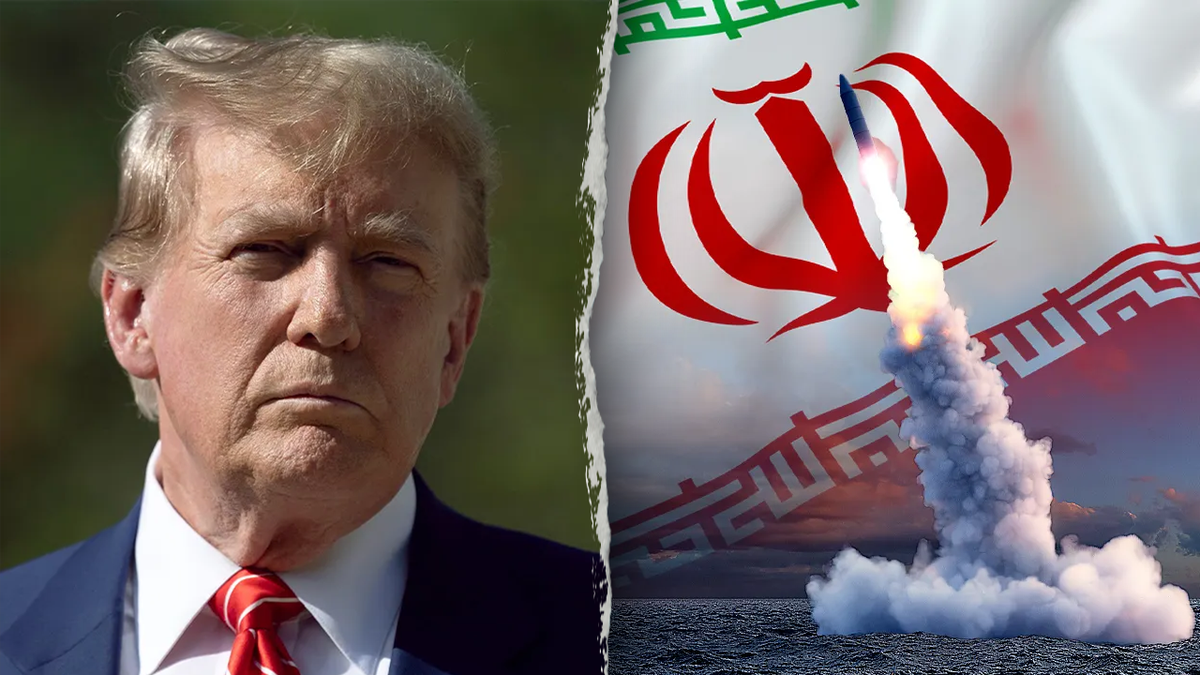
On Tuesday evening, U.S. President Donald Trump announced via his Truth Social platform that he had decided to extend the current ceasefire in the Middle East until Iran presents a proposal aimed at ending the conflict. He simultaneously ordered U.S. Armed forces to maintain the blockade and remain fully operational and ready in all respects.
The announcement comes amid ongoing diplomatic efforts in which Pakistan has positioned itself as a mediator between Washington and Tehran. Pakistani officials have welcomed the extension of the truce, viewing it as a constructive step toward de-escalation in a region marked by heightened tensions.
According to the post on Truth Social, Trump stated that the ceasefire would be prolonged “until Iran presents a proposal aimed at ending the conflict.” He emphasized that while the truce is being extended, the U.S. Military blockade would remain in place and that American forces must stay “at all times, fully prepared and operational.”
The development follows recent indirect communications between U.S. And Iranian officials, facilitated through intermediaries including Oman and, more recently, Pakistan. Islamabad has sought to leverage its diplomatic ties with both capitals to reduce the risk of direct confrontation, particularly in the Gulf and surrounding waters.
Pakistan’s Foreign Office confirmed on Wednesday that it had been engaged in quiet diplomacy to support regional stability, though it did not disclose specific details of its talks with either Washington or Tehran. Officials in Islamabad reiterated their longstanding position that dialogue, not military action, offers the only viable path to resolving differences between the U.S. And Iran.
The U.S. Blockade, which Trump said would continue, has been in effect for several months as part of a broader pressure campaign targeting Iran’s maritime trade. While the exact scope of the restrictions was not detailed in the presidential post, U.S. Central Command has previously described such measures as necessary to ensure freedom of navigation and to prevent illicit shipments.
Iran has not publicly responded to Trump’s latest statement as of Wednesday morning. Tehran has consistently maintained that it will not negotiate under pressure and has called for the lifting of all sanctions as a precondition for meaningful talks.
Analysts note that the extension of the ceasefire, even if conditional, reduces the immediate risk of escalation in a volatile theater where proxy groups aligned with Iran have recently increased their activities. However, the linkage of the truce’s duration to a specific Iranian proposal introduces a modern variable into the calculation, potentially tying diplomatic progress to military de-escalation.
Pakistan’s role as a mediator remains sensitive, given its own complex relationships with both Saudi Arabia and Iran, as well as its strategic partnership with the United States. Despite these balancing acts, Pakistani officials have consistently advocated for regional dialogue and have offered their facilities for backchannel discussions in the past.
The next key development to watch will be whether Iran submits a formal proposal in response to the U.S. Condition for extending the ceasefire. No timeline for such a submission has been indicated and neither Washington nor Tehran has scheduled public talks at this time.
For ongoing updates on diplomatic efforts in the Middle East, readers can follow verified statements from the U.S. State Department, Pakistan’s Foreign Office, and Iran’s Ministry of Foreign Affairs through their official channels.
We encourage our global audience to share perspectives and engage in respectful dialogue on this evolving situation. Your insights help foster a deeper understanding of the challenges and opportunities in pursuing peace.