
Getting involved in Paralympic sports offers opportunities for athletes of all abilities to participate, compete, and thrive in inclusive environments. Whether someone is just beginning to explore adaptive athletics or aiming for elite competition, pathways exist through national governing bodies, local clubs, and community initiatives designed to support accessibility and progression. Understanding how to access these resources is the first step toward meaningful participation.
Across the United Kingdom, organizations such as ParalympicsGB, Activity Alliance, Disability Sport Wales, Scottish Disability Sport, and Disability Sports NI provide structured support for individuals interested in Para sports. These bodies maintain directories of clubs, training sessions, and introductory events tailored to various impairments and age groups. Many also offer virtual sessions and online resources to support newcomers build confidence before attending in-person activities.
One of the most accessible entry points is through Parasport, now rebranded as Every Body Moves, a nationwide initiative led by ParalympicsGB. This platform allows users to search for local opportunities by postcode, sport type, and disability category, connecting them with verified providers who meet inclusion standards. The service includes both in-person activities and remote options, ensuring flexibility for those with transportation or mobility considerations.
For individuals interested in specific sports, national governing bodies for each Paralympic discipline often run talent identification programs, beginner workshops, and affiliated club networks. Examples include British Wheelchair Basketball, UK Athletics for Para athletics, and the Lawn Tennis Association for wheelchair tennis. These organizations typically provide coaching qualifications, classification information, and competition pathways from grassroots to international levels.
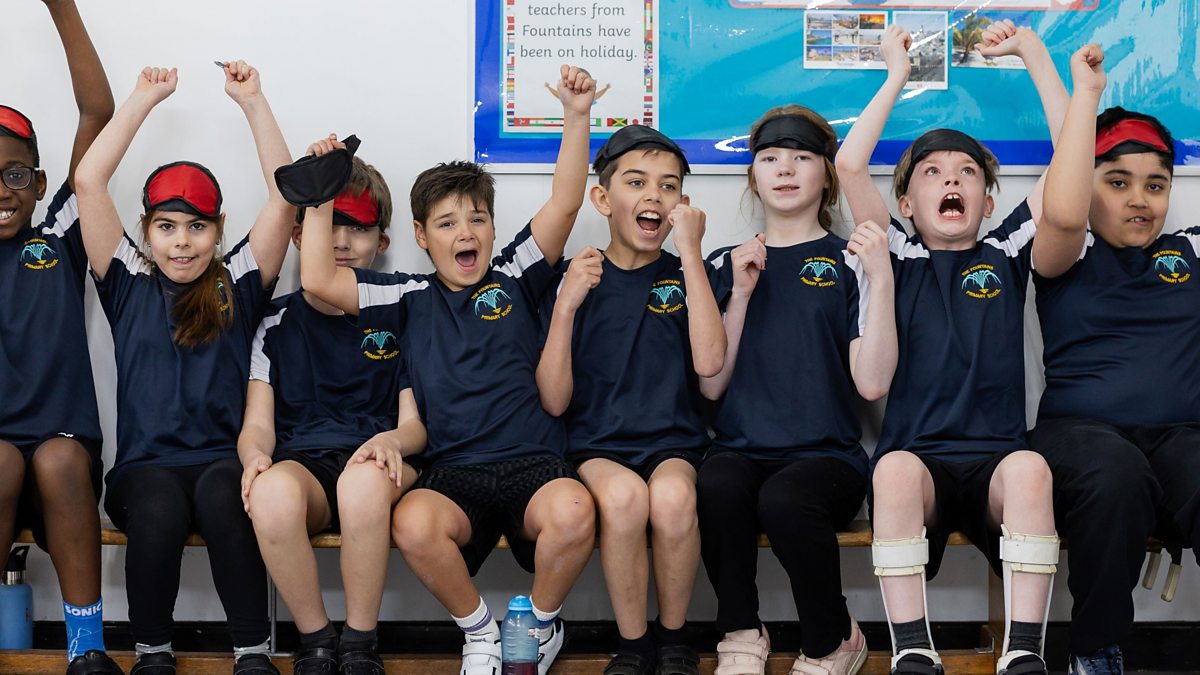
Schools and educational institutions also play a key role in early engagement. Programs like Super Movers for Every Body, developed by BBC Teach in partnership with the Premier League and ParalympicsGB, deliver free, curriculum-aligned resources that introduce primary-aged children to inclusive sports such as boccia, blind football, and Para athletics. These materials include follow-along videos, lesson plans, and activity cards designed to be used in classrooms or at home, promoting awareness and participation from a young age.
Community engagement is further supported by local Active Partnerships, which operate across England to coordinate sport and physical activity opportunities. These partnerships collaborate with disability organizations, leisure providers, and schools to reduce barriers to access and promote inclusive provision. Similar networks exist in Scotland, Wales, and Northern Ireland through respective disability sport agencies.
Progression within Para sport often follows a structured athlete development model. After initial participation, individuals may be invited to attend assessment days, join regional talent squads, or receive support through funding schemes such as the UK Sport World Class Programme. Classification — a system that groups athletes by the degree of activity limitation resulting from their impairment — is a critical step for those pursuing competitive pathways, ensuring fair and equitable competition.
Recent years have seen increased visibility and investment in Paralympic sports, particularly following the Tokyo 2020 and Paris 2024 Games. Broadcast coverage, athlete-led campaigns, and grassroots initiatives have contributed to growing public awareness and participation rates. Sport England’s Active Lives Survey regularly tracks engagement among disabled adults and children, providing data that informs funding and policy decisions aimed at reducing inactivity gaps.
For anyone considering their first steps, experts recommend starting with low-pressure environments such as taster sessions, virtual workouts, or family-friendly events. Many clubs offer free trials or buddy systems to help newcomers sense welcomed. Consistency, enjoyment, and gradual progression are emphasized over immediate performance, with long-term involvement often stemming from positive early experiences.
As Para sport continues to evolve, the focus remains on expanding access, improving infrastructure, and celebrating the diversity of athletic achievement. Those interested in learning more or finding opportunities nearby are encouraged to consult official sources such as the Every Body Moves website, national disability sport organizations, or the Parasport successor platform maintained by ParalympicsGB.
To stay informed about upcoming events, funding announcements, or new inclusion programs, readers can follow updates from UK Sport, the Department for Culture, Media and Sport, and recognized Paralympic broadcasters. Sharing experiences and encouraging others to explore adaptive sports helps strengthen community networks and promotes a culture where everyone has the opportunity to play, develop, and succeed.