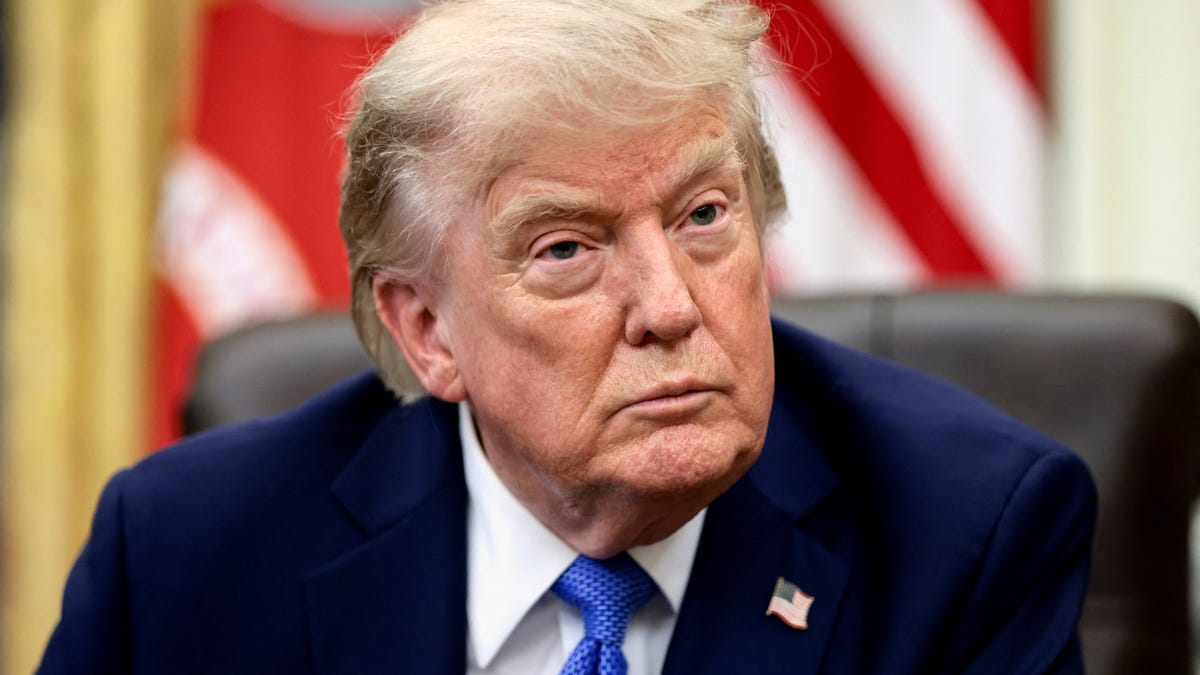
President Donald Trump declined to dismiss the possibility of declaring a national security emergency to enact federal voting restrictions. During an Aug. 10 interview, conservative commentator Wayne Root suggested the move as an alternative to the stalled SAVE America Act, prompting Trump to remark that stranger things have happened.
President Donald Trump left the door open to declaring a national security emergency and federalizing control over the upcoming November midterm elections, telling an interviewer that stranger things have happened. The remarks emerged during an interview on Real America’s Voice with host Wayne Allyn Root on Aug. 10.
Root suggested the emergency declaration as a workaround if the Senate fails to pass the Safeguard American Voter Eligibility (SAVE America) Act. The legislation stands as Trump’s top legislative priority, requiring proof of citizenship to register to vote and a photo ID at polling places. Lawmakers left for their August recess without passing the bill, prompting hard-line supporters to advocate for executive intervention.
The Stalled SAVE America Act and Senate Deadlock
The SAVE America Act has struggled to secure sufficient backing in the Senate. Senate Majority Leader John Thune (R-S.D.), Trump, and Senate conservatives reached a deal to defer action on much of the legislation until after the summer recess, with the upper chamber scheduled to return on Sept. 14.
Proponents of the legislation argue that stricter verification rules are necessary to safeguard elections. Trump has consistently made election integrity a centerpiece of his agenda, frequently pointing to his unfounded claims about the 2020 election and raising concerns over mail-in ballots. Meanwhile, opponents and voting rights groups contend that the proposed requirements would disenfranchise millions of eligible voters. The Brennan Center for Justice at New York University estimated that the legislation could block as many as 21 million Americans from the ballot box.
Wayne Root Interview and the National Security Emergency Proposal
Root also asserted that if Trump declared an emergency, the action can’t be challenged except through a joint resolution — which would likely require veto-proof two-thirds majorities in both chambers. Asked by Root if he would take that step, Trump interjected, Let me just say that stranger things have happened, OK? I’ll leave it at that.
During the interview, Root told Trump, If you do this in the next month, we will get photo ID, proof of citizenship and a limit to mail-in ballots, and you don’t even need the Senate’s help.
The exchange followed weeks of lobbying by the president for lawmakers to pass the SAVE Act.
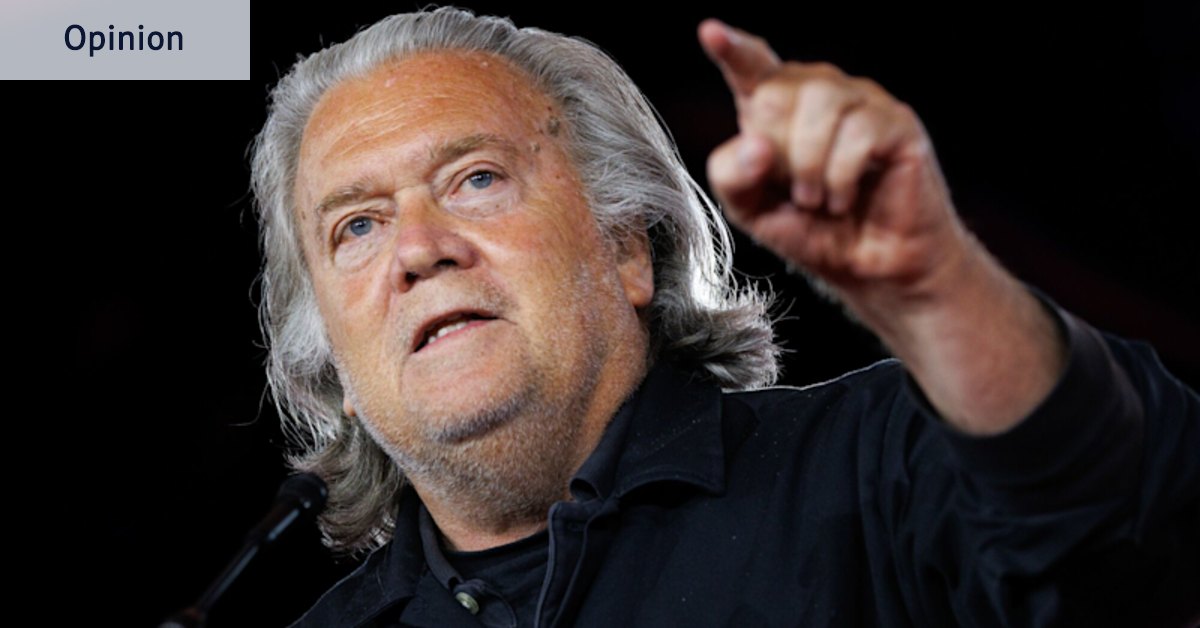
Steve Bannon, who was Trump’s campaign strategist for his 2016 election win and later served briefly in the White House, offered his own timeline regarding the administration’s plans. Bannon stated in an interview, I believe we will have a national emergency declared by late August,
ahead of the congressional midterm elections scheduled for Nov. 3. Bannon further noted, You will have enough evidence by mid-August to show that we have a massive problem
of election fraud, adding that We are facing a national security emergency, and we will need real teeth to deal with it.
Executive Orders and Court Battles Over Federal Control
The recent discussions regarding emergency powers follow previous executive actions taken by the administration to assert federal authority over elections, which are constitutionally administered by state and local officials. In March, the president signed an executive order directing the Department of Homeland Security to develop lists of eligible voters in each state and ordering the U.S. Postal Service to restrict delivery of mail-in and absentee ballots that do not provide approved voter lists to the federal government.
David Steiner, the USPS postmaster general, told senators in June that the policy would ensure the right ballots are going to the right people.
Homeland Security Secretary Markwayne Mullin also delivered a warning to state officials, stating they could face prison time unless they followed administration orders to remove non-citizens from rolls.

The administration’s actions generated immediate opposition. Senate Minority Leader Chuck Schumer (D-N.Y.) responded to the proposals by stating, Donald Trump wants to take over American elections.
Democrat-led states quickly challenged the March executive order in court. On June 25, U.S. District Judge Indira Talwani issued an order blocking the administration from seeking state data on eligible voters. Talwani reinforced her block on Trump’s proposed mail-in voting restrictions. A separate lower court order barred the USPS from implementing delivery changes in July, though a federal appeals court later halted that lower court order to allow USPS changes to move forward. Despite that appellate ruling, Trump’s executive order remains void in nearly two dozen states under the June order issued by Judge Talwani.
Amid these ongoing legal challenges, the Trump administration filed an emergency appeal to the Supreme Court on July 27 seeking permission to implement two provisions of the order.
Worth a look
- Kidnapped Indigenous Leader Julio Rodriguez Found Dead in Venezuela’s Mining Region
- False Intelligence: Piñera’s “Powerful Enemy” During 2019 Chile Protests Was a Myth
- Trump Media Reports $238m Loss Amid Crypto Declines (archyworldys.com)
- Federal Judge Blocks Trump Mail-In Voting Order Nationwide (world-today-news.com)