US-China Trade Tensions: A Delicate detente and Enduring Rivalry
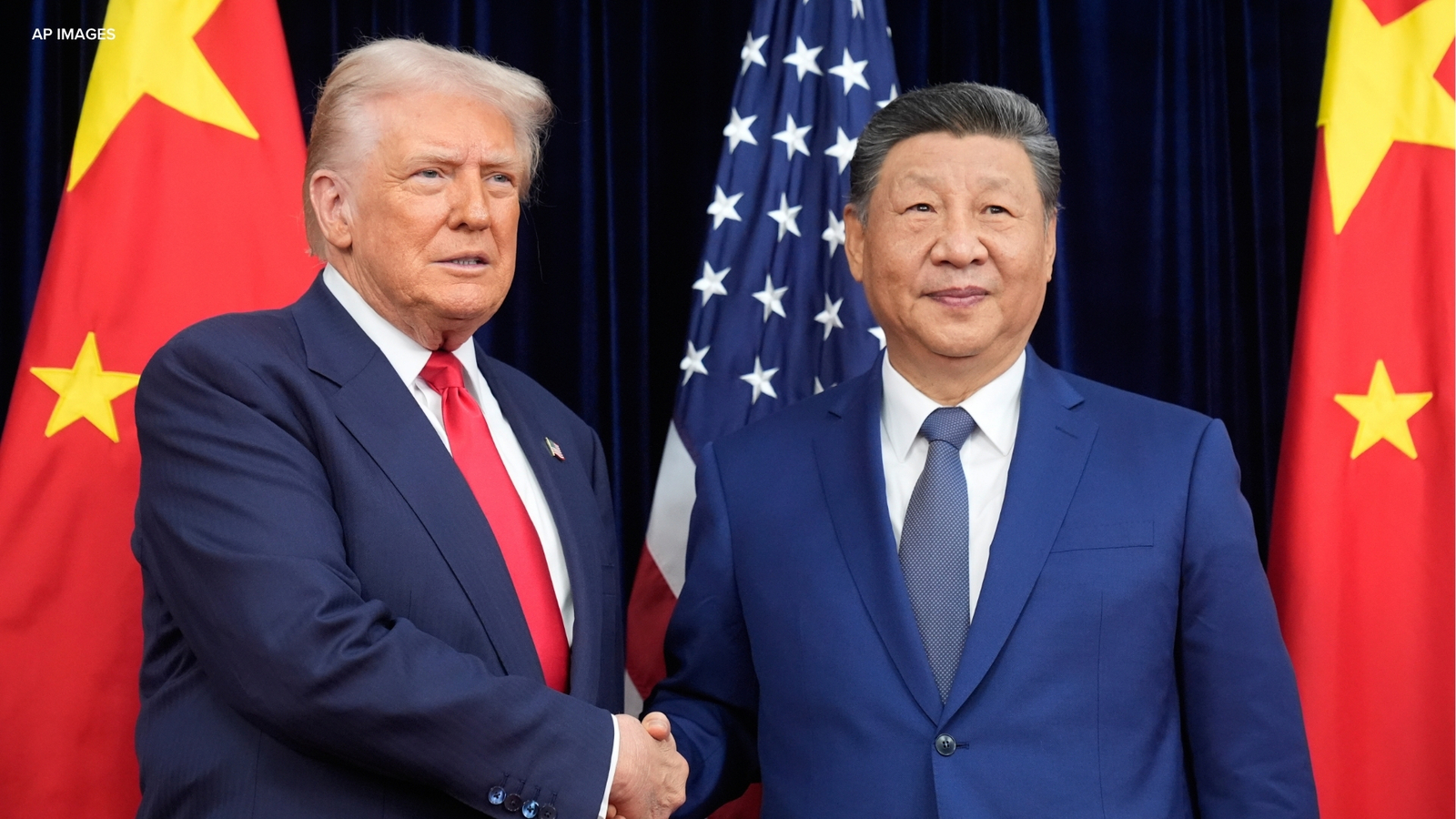
Recent high-level talks between the U.S. and China have offered a temporary reprieve to investors and businesses navigating a complex trade landscape.the U.S. stock market responded positively, anticipating a potential framework for future trade relations. However,beneath the surface of this apparent detente lie persistent pressure points and a deeply ingrained rivalry.
A History of Volatility
Previous negotiations this year, held in both Geneva and London, followed a similar pattern of initial optimism followed by setbacks. Both nations consistently sought to strengthen their bargaining positions, leading to a start-stop dynamic. This suggests the current agreement might potentially be more about managing immediate volatility then achieving lasting strategic progress.
Experts like Craig Singleton, senior director of the China program at the Foundation for Defense of Democracies, characterize the situation as “short-term stabilization dressed up as strategic progress.” Both sides are carefully calibrating cooperation to avoid a crisis, while the underlying rivalry continues.
leveraging Pressure: Tariffs and Rare earths
The U.S. and China each possess meaningful leverage in this economic standoff. For the U.S.,tariffs remain a primary tool. This year, new tariffs totaling 30% were imposed on Chinese goods, including a 20% levy linked to fentanyl production.
however, the tariff landscape has been far from stable. Earlier this year, plans to increase tariffs on Chinese goods to 145% were announced, only to be quickly abandoned following negative market reactions. More recently,a threatened 100% import tax on Chinese goods due to rare earth restrictions was reduced to 47% upon implementation.
China, in turn, wields considerable influence through its dominance in the production and processing of rare earth minerals.These minerals are essential components in a wide range of high-tech products, including fighter jets, robots, and electric vehicles.
On October 9th, China tightened export restrictions on these crucial materials, repeating a familiar cycle of escalating tensions followed by renewed trade talks.You should understand this pattern highlights the fragility of any current agreements.
Beyond the Bilateral Talks: China’s Regional Strategy
The diverging post-talk itineraries of President Trump and President Xi Jinping also offer insight into the broader geopolitical context. While Trump is returning to Washington, Xi Jinping will remain in South korea to engage with regional leaders at the Asia-Pacific Economic Cooperation summit.
This move allows Xi to position China as a reliable partner for nations perhaps frustrated by U.S. trade policies. Jay Truesdale, CEO of TD International, a risk and intelligence advisory firm, notes that Xi is actively seeking to bolster bilateral and multilateral relations in the region.
What This Means for You
* Expect continued volatility: The underlying tensions between the U.S. and china are unlikely to disappear quickly.
* Diversification is key: Businesses reliant on either market should consider diversifying their supply chains to mitigate risk.
* Stay informed: closely monitor developments in trade policy and geopolitical relations.
* Understand the long game: This is not a short-term issue; it’s a long-term strategic competition.
Ultimately, the current detente should be viewed with cautious optimism.While the immediate threat of escalation has diminished, the basic challenges remain. You need to be prepared for a future characterized by ongoing competition and the potential for renewed trade friction.