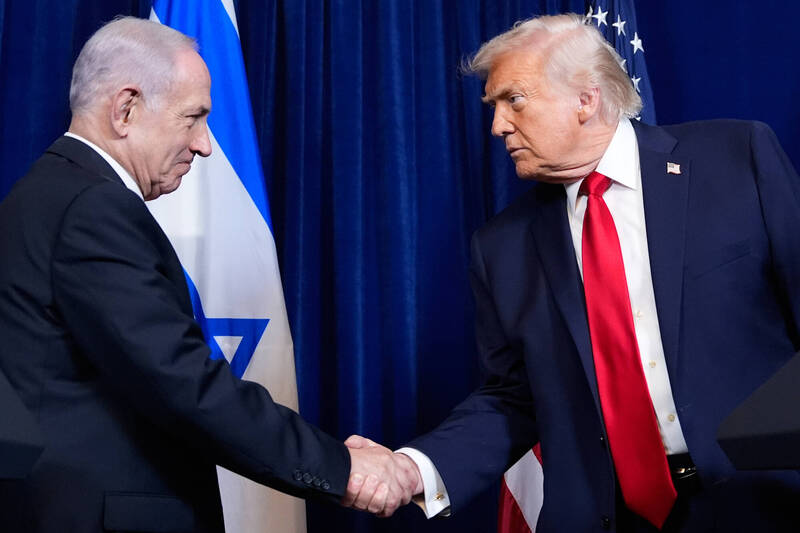
On April 18, 2026, reports emerged indicating that former U.S. President Donald Trump had issued a directive to halt further Israeli airstrikes in Lebanon, sparking immediate reactions from Israeli leadership. According to multiple regional outlets, the directive was communicated during a private briefing, though no official White House statement confirmed the details at the time of reporting. The development came amid heightened tensions following a series of cross-border exchanges between Israeli forces and Hezbollah positions in southern Lebanon.
Israeli Prime Minister Benjamin Netanyahu reportedly expressed surprise at the directive and sought clarification directly from the White House, according to sources cited in Lebanese and Israeli media. The request for explanation underscored the sensitivity of U.S.-Israel coordination during ongoing regional de-escalation efforts. No official confirmation of Netanyahu’s outreach was issued by either government as of the reporting date.
The timing of the reported directive coincided with the tenth day of a fragile ceasefire between Israel and Hezbollah, which had been brokered through international mediation earlier in April 2026. The agreement, which included a phased withdrawal of forces and monitoring mechanisms, had held despite sporadic violations reported by both sides. Observers noted that any perceived shift in U.S. Positioning could influence the stability of the arrangement.
Regional analysts have emphasized the strategic importance of sustained U.S. Engagement in maintaining the ceasefire, particularly given the history of escalation following previous lulls in hostilities. The U.S. Has played a mediating role in indirect talks between Israeli and Lebanese officials, often facilitated through third-party channels due to the absence of formal diplomatic relations between Israel and Lebanon.
Hezbollah, which has maintained a significant presence along Israel’s northern border, has not issued a public response to the reported U.S. Directive. The group’s leadership has previously conditioned any long-term settlement on Israeli withdrawal from occupied territories and the release of detained associates, positions that remain unresolved in current negotiations.
Internationally, the European Union and United Nations have reiterated calls for all parties to adhere to the ceasefire terms and pursue a permanent resolution through diplomatic channels. UNIFIL, the UN peacekeeping mission in southern Lebanon, reported increased patrols along the Blue Line in response to recent fluctuations in tension, though no major breaches were confirmed in the immediate aftermath of the reported U.S. Directive.
Domestically in Israel, the development has added pressure on Prime Minister Netanyahu’s coalition, which faces internal debate over the balance between security operations and diplomatic engagement. Security officials have maintained that military readiness remains necessary to deter potential threats, although others advocate for prioritizing diplomatic progress to avoid renewed conflict.
In Lebanon, caretaker government officials have welcomed any move toward de-escalation but stressed that lasting peace requires addressing root causes, including socioeconomic challenges and the presence of armed non-state actors south of the Litani River. International donors have conditionally linked reconstruction aid to measurable progress in security sector reform and state sovereignty over all Lebanese territory.
As of the latest verified reports, no formal policy shift has been announced by the U.S. Administration regarding military support or diplomatic engagement in the region. Observers continue to monitor official channels for any clarification on the nature and scope of the reported directive, with particular attention to upcoming statements from the White House National Security Council or the Department of Defense.
The situation remains fluid, with regional stakeholders awaiting further developments that could determine whether the current de-escalation holds or gives way to renewed confrontation. Diplomatic backchannels are understood to remain active, though their outcomes are not yet publicly discernible.
For ongoing updates, readers are encouraged to consult official statements from the White House, the Israeli Prime Minister’s Office, and the Lebanese Ministry of Foreign Affairs, as well as verified reports from international organizations such as the United Nations and the International Committee of the Red Cross.
Stay informed and share this analysis to help foster a deeper understanding of the evolving dynamics in one of the world’s most closely watched geopolitical flashpoints.