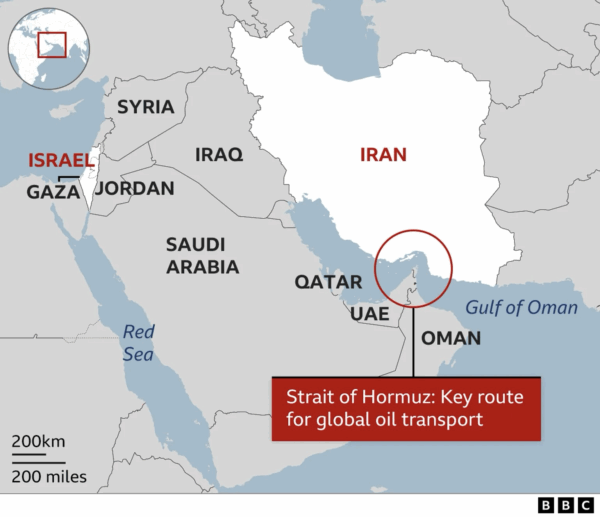
The United States Navy has begun implementing a sweeping blockade of the Strait of Hormuz, intercepting maritime traffic and targeting vessels that have paid transit fees to the Iranian government. The move follows the collapse of high-stakes diplomatic negotiations in Pakistan intended to finish a regional war that has seen global energy markets roil and shipping reach a virtual standstill.
President Donald Trump announced the operation via Truth Social on Sunday, April 12, 2026, stating that the U.S. Navy would begin “BLOCKADING any and all Ships trying to enter, or leave, the Strait of Hormuz” according to a report by CBS News. The order specifically targets vessels that have complied with Iran’s “toll booth” regime, with the president instructing the Navy to “seek and interdict every vessel in International Waters that has paid a toll to Iran.”
The blockade represents a significant escalation in a conflict that intensified following joint U.S.-Israel strikes on February 28, 2026 as reported by USA TODAY. In response to those strikes, Iran effectively closed the passage, leaving hundreds of tankers trapped in the Persian Gulf and triggering a surge in global energy prices.
The Collapse of the Islamabad Negotiations
The decision to move toward a naval blockade came immediately after marathon face-to-face talks in Islamabad, Pakistan, failed to produce a peace agreement. The negotiations, which took place on Saturday, April 11, 2026, were led by Vice President JD Vance per USA TODAY. While the two sides had previously agreed to a two-week ceasefire five days prior to the blockade’s announcement, Vance informed reporters that the Iranians “have chosen not to accept our terms,” signaling the end of direct talks.
U.S. Officials indicated that the negotiations fell apart over several critical sticking points. Central to the dispute was the U.S. Demand that Iran reopen the strait and cease the imposition of tolls on passing ships. Other primary obstacles included Iran’s nuclear program and facilities, as well as its ongoing support for Hamas and Hezbollah according to official statements cited by USA TODAY.
Strategic Impact on Global Energy and Shipping
The Strait of Hormuz is one of the world’s most critical maritime chokepoints. A 100-mile-long waterway, it connects the Persian Gulf with the Gulf of Oman and the Arabian Sea. Before the current conflict, approximately 20% of the world’s oil and natural gas supply passed through this narrow channel as noted by USA TODAY.
The current U.S. Operation is not only focused on interdicting tankers but similarly on neutralizing Iranian maritime defenses. President Trump stated that the Navy would begin “destroying the mines the Iranians laid in the Straits” and issued a stern warning that “Any Iranian who fires at us, or at peaceful vessels, will be BLOWN TO HELL!” via CBS News.
The IRGC “Toll Booth” Regime
A primary driver of the U.S. Interdiction strategy is the “de facto ‘toll booth’ regime” established by Iran’s Islamic Revolutionary Guard Corps (IRGC). According to analysts from Lloyd’s List Intelligence, the IRGC has required vessels to submit full documentation, obtain specific clearance codes, and accept IRGC-escorted passage through a single controlled corridor per CBS News.
Reports indicate that at least two vessels traversing the strait have already paid these fees in Chinese yuan to ensure safe passage according to Lloyd’s List Intelligence. The U.S. Has consistently urged Iran not to impose such tolls, viewing them as an illegal restriction on international waters.
Summary of the Current Situation
The current state of the Strait of Hormuz is characterized by extreme volatility. With the failure of the Islamabad talks, the U.S. Has shifted from diplomatic pressure to active naval enforcement. The following table outlines the key elements of the current blockade:
| Action Item | Detail/Objective | Target/Scope |
|---|---|---|
| Vessel Interdiction | Intercepting ships that paid tolls to Iran | International Waters |
| Maritime Blockade | Preventing entry/exit at Iranian ports | Strait of Hormuz |
| Mine Clearance | Destroying mines laid by Iran | Strait of Hormuz |
| Diplomatic Status | Direct talks ended after Islamabad failure | U.S. And Iran |
The blockade is expected to maintain significant pressure on the Iranian government, though it risks further destabilizing global energy markets that are already struggling with the previous closure of the passage. For those monitoring the situation, official updates from the U.S. Navy and the Department of State remain the primary sources for maritime advisories and safety guidance.
The next critical development will be the response from the Iranian government and the potential for renewed diplomatic channels or further naval engagements in the region.
World Today Journal encourages readers to share this report and provide their perspectives on the geopolitical implications of the blockade in the comments section below.
- ICE Studios City Series: Celebrating Black and Brown Women’s Creativity and Community Through Sport in NYC
- Man in Wheelchair Deliberately Set on Fire at Utrecht Supermarket
- Trump to Meet Zelensky at White House Amid Shift Toward Military Cooperation (time.news)
- The Senate Blue Slip, Explained: The Custom Trump Wants Gone (daybreakwire.com)