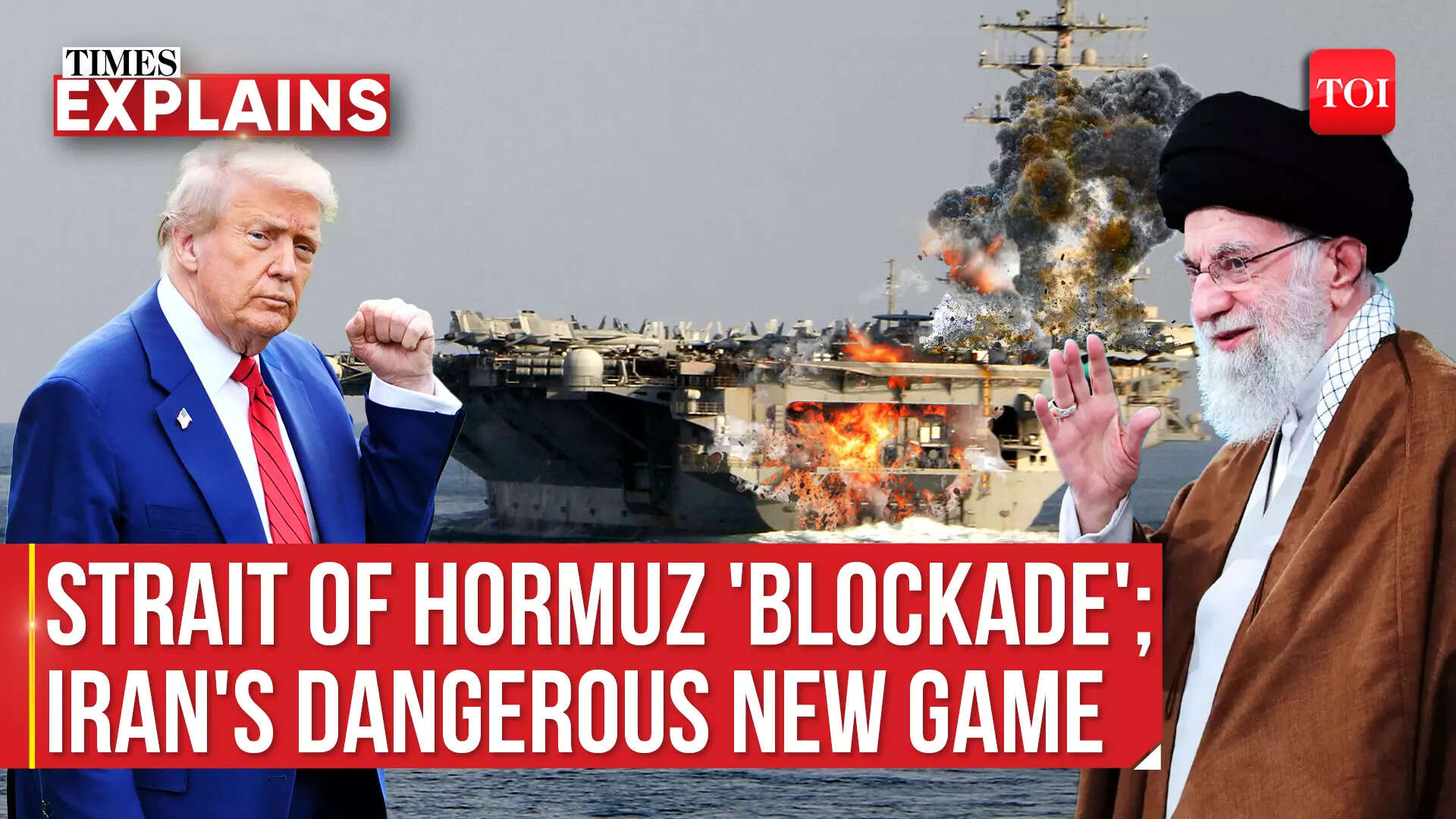
U.S.-Iran Standoff Intensifies: A Delicate Balance Between De-escalation and Prolonged Conflict
Washington is navigating a precarious situation with Iran, balancing the possibility of a diplomatic resolution – signaled by Tehran’s offer regarding the Strait of Hormuz – against the potential for a protracted conflict. The ongoing war, which began in February, has already stretched into its eighth week, raising concerns about escalating costs and global economic repercussions. President Donald Trump appears hesitant to accept Iran’s proposal, which would spot the lifting of the U.S. Blockade in exchange for ensuring free passage through the vital waterway, leaving fundamental disagreements unresolved.
The current impasse centers on the Strait of Hormuz, a strategically crucial chokepoint through which approximately one-fifth of the world’s traded oil and gas passes even during peacetime. Iran’s recent offer, conveyed through Pakistani officials, proposes ending its restrictions on the strait if the U.S. Lifts its economic blockade. This move would effectively postpone discussions regarding Iran’s nuclear program, a key point of contention that initially fueled the conflict. The offer emerged as Iran’s foreign minister engaged in discussions with Russian officials, a long-time supporter of Tehran, raising questions about potential external assistance.
Economic Pressures and Global Impact
The U.S. Blockade, designed to cripple Iran’s oil exports and deprive the nation of crucial revenue, has simultaneously created significant pressure on global energy markets. The closure of the Strait of Hormuz has led to a surge in oil and gasoline prices, a particularly sensitive issue for the U.S. Ahead of crucial midterm elections. This price hike also impacts Gulf allies who rely on the waterway for their own oil and gas exports. Beyond energy, the disruption has far-reaching consequences, contributing to increased costs for essential goods like fertilizer and food worldwide.
The economic ramifications are not lost on the Trump administration. The war has already incurred an estimated $25 billion in costs, according to a Pentagon financial official who testified before the House Armed Services Committee. This financial burden, coupled with the rising global economic concerns, adds to the complexity of the situation. The potential for prolonged disruption to global trade routes underscores the urgency of finding a resolution.
Congressional Scrutiny and Questions of Presidential Stability
The handling of the conflict is facing increasing scrutiny from the U.S. Congress. Defense Secretary Pete Hegseth recently appeared before the House Armed Services Committee, alongside Joint Chiefs of Staff Gen. Dan Caine, to answer questions about the war’s trajectory and the administration’s strategy. During the hearing, California Democratic Rep. Sara Jacobs directly questioned Hegseth about President Trump’s mental stability, given his rhetoric and threats towards Iran. Reports indicate that Trump has instructed aides to prepare for a potentially lengthy blockade of the Strait of Hormuz.
Hegseth deflected the question regarding the President’s mental state, instead launching a criticism of former President Joe Biden. He also declined to reveal whether he had advised Trump against initiating the attack on Iran, citing the confidential nature of presidential counsel. The exchange highlights the deep political divisions surrounding the conflict and the concerns about the administration’s decision-making process.
A War Exceeding Initial Expectations
Initially, Hegseth predicted the war would last “four to five weeks.” However, the conflict has now entered its eighth week, demonstrating the challenges of achieving a swift resolution. The prolonged duration raises questions about the effectiveness of the initial strategy and the potential for further escalation. The situation remains fluid, with diplomatic efforts ongoing alongside military posturing.
Iran’s proposal, even as offering a potential path towards de-escalation, leaves the core issue of its nuclear program unresolved. President Trump has consistently stated that a primary motivation for the war was to prevent Iran from developing nuclear weapons. The offer to postpone negotiations on this matter is likely to be a significant sticking point for the U.S. Administration. The two officials with knowledge of the proposal, speaking on condition of anonymity, emphasized the sensitivity of the ongoing negotiations.
Russia’s Role and Potential Assistance to Iran
The timing of Iran’s offer coincides with a visit by its foreign minister to Russia, a nation with a long-standing relationship with the Islamic Republic. While the extent of any potential assistance from Moscow remains unclear, it adds another layer of complexity to the geopolitical landscape. Russia’s support for Iran could further complicate efforts to reach a diplomatic solution acceptable to all parties involved. Fortune reported that the offer emerged during this visit, suggesting a coordinated effort.

The Fragile Ceasefire and Path Forward
Despite the ongoing tensions, a fragile ceasefire is currently in place. However, the future remains uncertain. The U.S. And Iran remain locked in a standoff over the Strait of Hormuz, and the fundamental disagreements that led to the conflict remain unresolved. The success of any diplomatic effort will depend on both sides demonstrating a willingness to compromise and address the underlying issues that have fueled the tensions. The potential for miscalculation and escalation remains a significant concern.
The situation is further complicated by the upcoming midterm elections in the U.S., which could influence President Trump’s decision-making. The economic impact of the conflict, particularly rising energy prices, is a key issue for voters. The administration will need to carefully weigh the political considerations alongside the strategic and economic implications of its actions.
Key Takeaways
- Iran has offered to reopen the Strait of Hormuz in exchange for the lifting of the U.S. Blockade.
- President Trump appears unlikely to accept the offer without addressing Iran’s nuclear program.
- The conflict has already cost an estimated $25 billion and is entering its eighth week.
- The closure of the Strait of Hormuz is impacting global oil prices and the broader economy.
- Russia’s role and potential support for Iran add another layer of complexity to the situation.
The next key development to watch will be the outcome of ongoing diplomatic discussions between U.S. And Iranian officials, potentially mediated by Pakistan or other international actors. Further updates are expected in the coming days as the administration assesses Iran’s proposal and considers its options. We encourage readers to share their thoughts and perspectives on this critical issue in the comments below.
Keep reading
- Joe Biden Prostate Cancer Diagnosis Announced in Illinois
- Portland Warns Union Pacific Against Running Trains Near Crumbling Centennial Mills Where Human Remains Suspected
- Iran Demands Cast Doubt on Reopening Strait of Hormuz Despite Oman Deal Talks (world-today-news.com)
- Trump Pushes SAVE Act to Mandate Voter ID and Proof of Citizenship (newsdirectory3.com)