
The landscape of United States immigration policy has undergone a fundamental shift, as the federal government has pivoted its refugee priorities toward a specific demographic: white Afrikaners. Under the direction of President Donald Trump, the U.S. Has effectively narrowed its resettlement focus, resulting in a scenario where the vast majority of refugees admitted into the country over recent months are from South Africa.
This policy shift is centered on the White South African refugee program, an initiative that has prioritized white South Africans while simultaneously halting the resettlement of nearly every other refugee group. The move has sparked a significant diplomatic rift between Washington and Pretoria, characterized by economic sanctions and the summoning of high-level diplomats.
As Chief Editor of Business at World Today Journal, I have tracked the intersection of economic policy and geopolitical tension for nearly two decades. The current situation is not merely a matter of immigration. We see a calculated use of state mechanisms—including tariffs and refugee status—to exert pressure on the South African government over its internal social and political climate.
Mission South Africa and the Shift in Refugee Priority
The official catalyst for this change was the launch of a refugee program known as “Mission South Africa” in February 2025. This initiative was established by President Donald Trump as part of a broader series of immigration policies implemented during his second administration. While the U.S. Has historically managed a diverse portfolio of refugee admissions, the current administration has dramatically cut the annual cap for the general refugee program, redirecting those limited slots toward white South Africans.
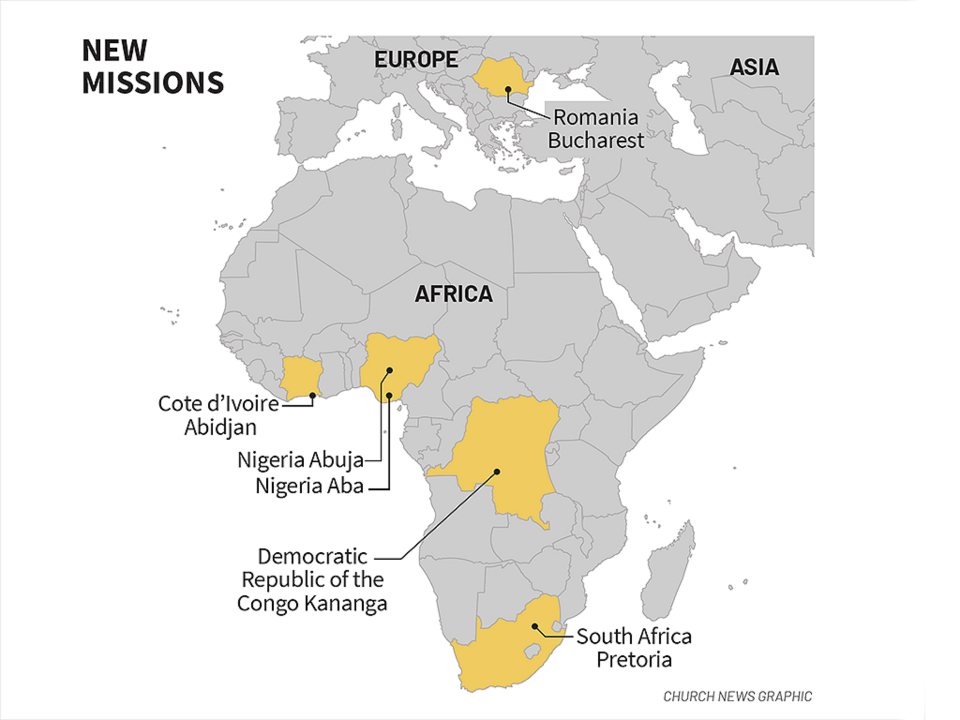
The legal basis for this priority is the administration’s claim that white Afrikaners in South Africa face “illegal or unjust discrimination.” By extending refugee status based on these claims, the U.S. Government has created a streamlined pathway for this specific group, even as other global refugee crises have seen a sharp decline in U.S. Resettlement support.
Deepening Diplomatic Rifts and Ambassadorial Tension
The tension between the two nations reached a critical point in early 2026. On March 11, 2026, the South African government summoned the United States ambassador, Leo Brent Bozell III, to answer for what Foreign Minister Ronald Lamola described as “undiplomatic remarks.” Ambassador Bozell, who had taken his post only a month prior, became the face of a Washington administration that has continued to heap pressure on South African President Cyril Ramaphosa.
The core of the dispute lies in the narrative regarding the treatment of minorities in South Africa. According to reports from Al Jazeera, President Trump has claimed that South Africa is engaged in a “campaign of white persecution.” The government in Pretoria has vehemently denied these allegations.
South African leaders, including top Afrikaner officials, have acknowledged that the country struggles with high crime rates. However, they reject the notion that white Afrikaners are being specifically targeted, noting that Black residents in the country actually face a higher crime rate.
Economic Leverage: Tariffs and G20 Exclusion
The U.S. Approach has extended beyond immigration into the realm of aggressive economic policy. In an effort to signal its dissatisfaction, the Trump administration previously imposed a blanket 30 percent tariff on South African imports. While a recent court decision has rendered that specific rate defunct, the move demonstrated the administration’s willingness to use trade as a weapon in its diplomatic disputes.
the administration has targeted South Africa’s international standing and financial ties. On November 26, 2025, President Trump announced that he would bar South Africa from participating in the following year’s G20 summit. In addition to this diplomatic exclusion, the president stated he would “stop all payments and subsidies” to South Africa, citing the country’s treatment of U.S. Government interests as the primary motivation, as reported by PBS.
Key Developments in U.S.-South Africa Relations
| Date | Action | Impact |
|---|---|---|
| February 2025 | Launch of “Mission South Africa” | Priority refugee status granted to white Afrikaners. |
| November 26, 2025 | G20 Exclusion & Subsidy Cut | South Africa barred from next G20; payments halted. |
| March 11, 2026 | Ambassador Bozell Summoned | Pretoria demands explanation for “undiplomatic remarks.” |
The Implications of a Targeted Refugee Policy
The decision to prioritize one specific ethnic group for refugee status while halting others represents a significant departure from traditional international asylum norms. By framing the situation in South Africa as one of “persecution,” the U.S. Administration has effectively tied its immigration machinery to its foreign policy goals.
For the global business community and economic analysts, this signals a trend where the U.S. May increasingly use the “Trump Gold Card,” travel bans, and targeted refugee programs as levers of influence. The volatility seen in the 30 percent tariff implementation, followed by a court-ordered reversal, highlights the legal instability that often accompanies these rapid policy shifts.
The current environment remains precarious. With the U.S. Administration maintaining its stance on “white persecution” and the South African government refusing to concede to these claims, the diplomatic channel remains strained. The summoning of Ambassador Bozell is a clear indicator that Pretoria views these policies not as humanitarian efforts, but as undue interference in its domestic affairs.
The next confirmed checkpoint in this developing story will be the official response from the U.S. State Department regarding the summons of Ambassador Bozell and the ongoing status of the Mission South Africa admissions process.
Do you believe immigration policy should be used as a tool for diplomatic leverage? Share your thoughts in the comments below or share this analysis with your professional network.
Worth a look