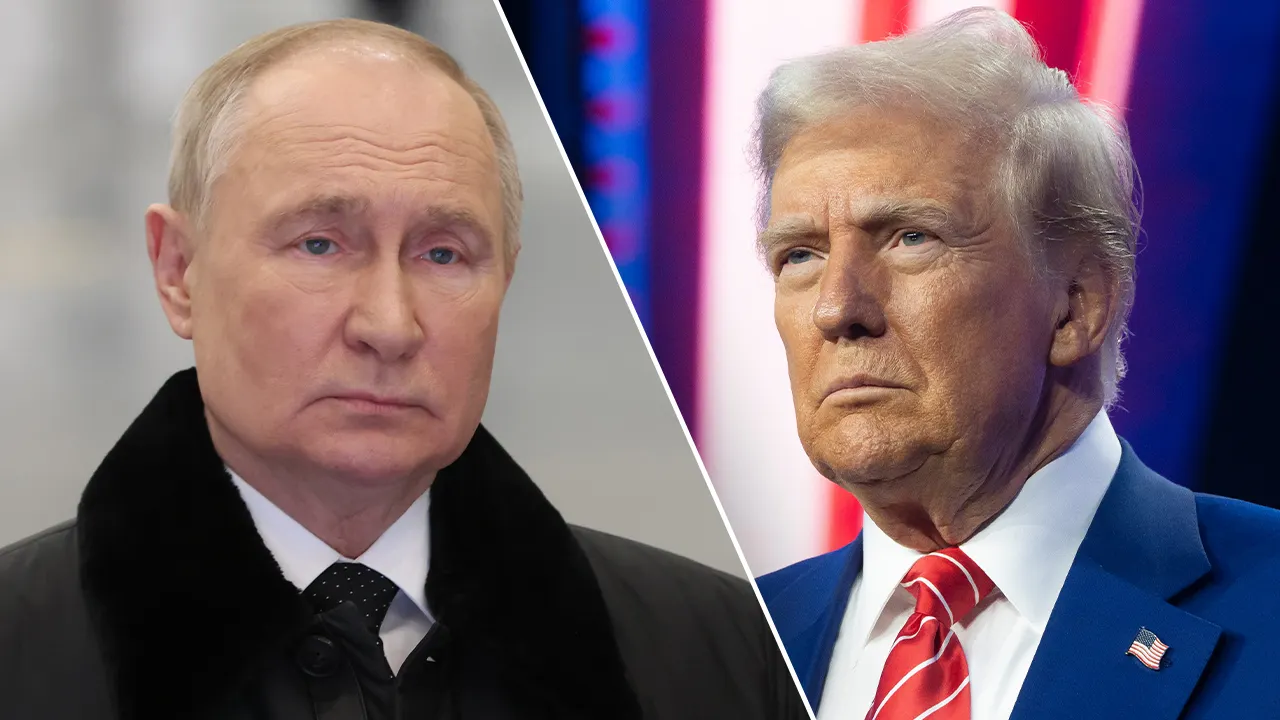
Trump Confirms Discussion with Putin Regarding Ukraine and Iran
Former U.S. President Donald Trump has publicly stated he recently spoke with Russian President Vladimir Putin by phone, discussing ongoing conflicts in both Ukraine and Iran. The conversation, confirmed by Trump to reporters on Wednesday, April 29, 2026, comes amidst heightened global tensions and complex diplomatic efforts surrounding these regions. This disclosure has sparked renewed interest in the potential for backchannel negotiations and the evolving dynamics between the U.S. And Russia regarding these critical geopolitical issues.
Trump’s comments, reported by NBC News and circulating on social media platforms like TikTok, indicate a willingness to engage directly with Putin despite the ongoing war in Ukraine and strained relations between Washington and Moscow. The former president indicated that Putin offered assistance regarding the situation in Iran, though details of that offer remain limited. The timing of this communication is particularly noteworthy, given the ongoing ceasefire negotiations involving Iran and the escalating complexities of the conflict in Ukraine. NBC News provided coverage of Trump’s remarks.
The Iran Conflict and Potential for Dialogue
The situation in Iran has been a focal point of international concern, with ongoing tensions stemming from its nuclear program and regional influence. Recent months have seen a series of escalating incidents, including attacks on commercial ships in the Strait of Hormuz, prompting a U.S. Military response and a fragile ceasefire. The potential for a peaceful resolution has been hampered by complex negotiations and differing priorities among involved parties. The recent dismissal of Navy Secretary John Phelan, as reported by various news outlets, underscores the sensitivity and urgency surrounding the situation.

Trump’s claim that Putin offered assistance in resolving the conflict suggests a possible avenue for de-escalation, though the nature of that assistance remains unclear. Russia has maintained diplomatic ties with Iran, and its involvement could potentially facilitate communication between Washington and Tehran. However, any such involvement would likely be met with scrutiny, given Russia’s own geopolitical interests and its support for the Syrian regime, a close ally of Iran. The possibility of a U.S.-Iran peace deal appears to be diminishing, according to recent reports, making any potential mediation efforts all the more critical.
Ukraine and the Role of Russia
The war in Ukraine continues to dominate the international landscape, with Russia’s invasion in February 2022 triggering a major humanitarian crisis and reshaping the geopolitical order in Europe. The United States has been a leading provider of military and economic aid to Ukraine, and has imposed sanctions on Russia in an effort to pressure Moscow to end the conflict. Trump’s conversation with Putin raises questions about the potential for any shift in U.S. Policy towards Russia or Ukraine.
While Trump did not elaborate on the specifics of his discussion with Putin regarding Ukraine, the mere fact that the conversation took place is significant. Direct communication between the leaders of the two countries has been limited since the start of the war, and any dialogue could potentially open channels for negotiation or de-escalation. However, given the deep-seated mistrust and conflicting interests between the U.S. And Russia, the prospects for a breakthrough remain uncertain. The Kremlin has also indicated that Putin presented ideas for resolving the conflict, though the details of those proposals have not been publicly disclosed. YouTube reports on the Kremlin’s statement regarding Putin’s proposals.
The Broader Geopolitical Context
The Trump-Putin conversation occurs within a broader context of shifting alliances and increasing geopolitical competition. The United States is facing challenges from multiple fronts, including China’s growing economic and military power, Iran’s regional ambitions, and Russia’s assertive foreign policy. The ongoing conflicts in Ukraine and Iran are exacerbating these challenges, and require a nuanced and strategic approach to diplomacy and security.

The former president’s willingness to engage with Putin, despite the ongoing conflicts and strained relations, reflects a long-standing belief in the importance of direct communication with world leaders. Throughout his presidency, Trump often prioritized personal relationships and unconventional diplomatic tactics. His current outreach to Putin suggests a continuation of that approach, though the effectiveness of such tactics remains a subject of debate. The situation is further complicated by the upcoming U.S. Presidential election and the potential for a change in administration, which could significantly alter the U.S. Approach to these critical geopolitical issues.
Key Takeaways
- Former President Trump confirmed a recent phone conversation with Russian President Putin.
- The discussion centered on the conflicts in Ukraine and Iran.
- Putin reportedly offered assistance regarding the situation in Iran, details of which remain unclear.
- The conversation highlights the potential for backchannel negotiations amidst heightened global tensions.
- The broader geopolitical context involves shifting alliances and increasing competition between major powers.
The international community will be closely watching for further developments in both the Ukraine and Iran conflicts. The next key checkpoint will be the expiration of the current ceasefire agreement involving Iran, which is expected to be a critical moment for negotiations. Continued monitoring of diplomatic efforts and military developments will be essential to understanding the evolving dynamics of these complex geopolitical challenges. Readers are encouraged to share their thoughts and perspectives in the comments section below.
Worth a look
- Oklahoma TikToker Killed by Husband After Pedophilia Allegations: A Timeline of Tragedy
- Cornyn and Tillis Accuse AG Nominee of Refusing Written Pledge to Undo Trump Settlement
- Alex Jones Calls for Immediate Trump Impeachment (archyde.com)
- Trump Unveils $22.5 Billion Plan to Overhaul Dulles Airport Facilities (time.news)