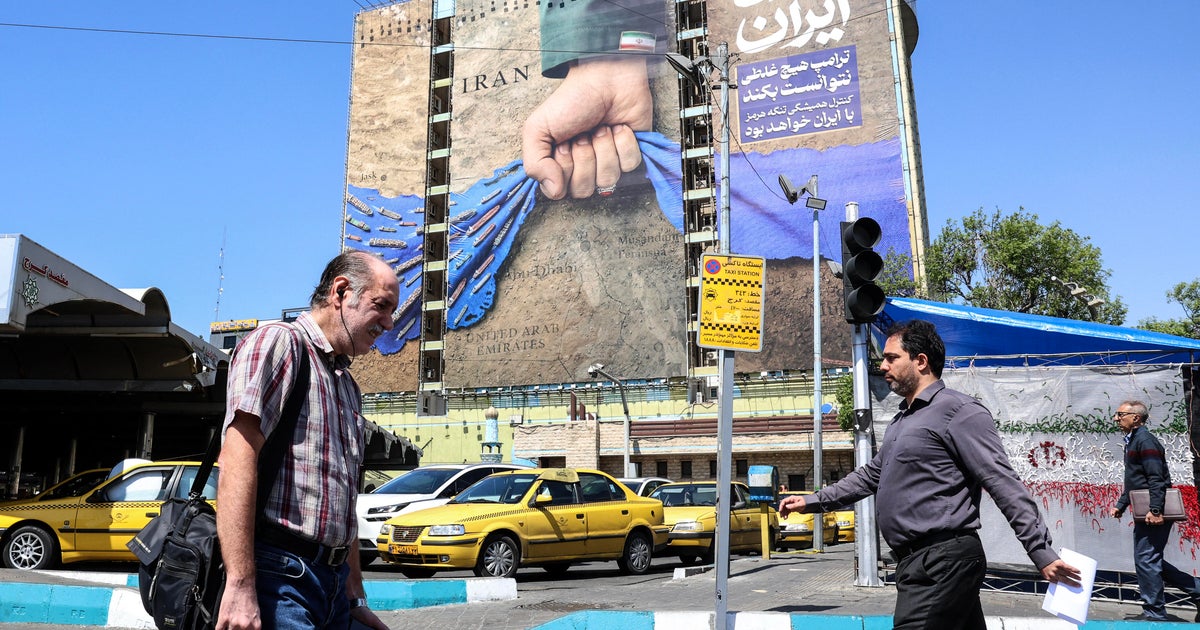
The diplomatic landscape in the Middle East remains precarious as the United States and Iran navigate a volatile mix of military pressure and fragile diplomacy. President Donald Trump has indicated that Trump Iran peace talks are currently underway, though he described the progress as “but slow” while the U.S. Attempts to secure a second deal with the Islamic Republic. This cautious optimism comes amid a high-stakes military standoff that has seen the U.S. Military implement a strict blockade of Iranian ports.
The current situation is defined by a narrow window of opportunity. A temporary ceasefire, brokered through intense mediation by the Pakistani government, is currently holding, but the clock is ticking toward a critical expiration date. While the administration suggests the conflict may be nearing a resolution, the simultaneous enforcement of maritime restrictions suggests a strategy of “maximum pressure” designed to force concessions before the diplomatic window closes.
At the center of these efforts is the government of Pakistan, which has positioned itself as a primary intermediary. The push for a peaceful settlement has focused on preventing a full-scale military escalation that President Trump previously warned could result in bombing Iran back to the “stone ages.” However, the path to a permanent agreement remains obstructed by long-standing disputes over Iran’s nuclear ambitions, which the White House continues to cite as a primary sticking point in negotiations.
The Pakistani Mediation and the April 7 Ceasefire
The current lull in hostilities is the result of an 11th-hour diplomatic intervention led by Pakistani Prime Minister Shehbaz Sharif. On April 7, 2026, just hours before a presidential deadline of 8 p.m. ET, Prime Minister Sharif issued a public appeal to President Trump to extend the deadline for two weeks to allow diplomacy to run its course according to reports on the last-minute deal. Sharif also urged the Iranian regime to open the Strait of Hormuz as a gesture of goodwill.
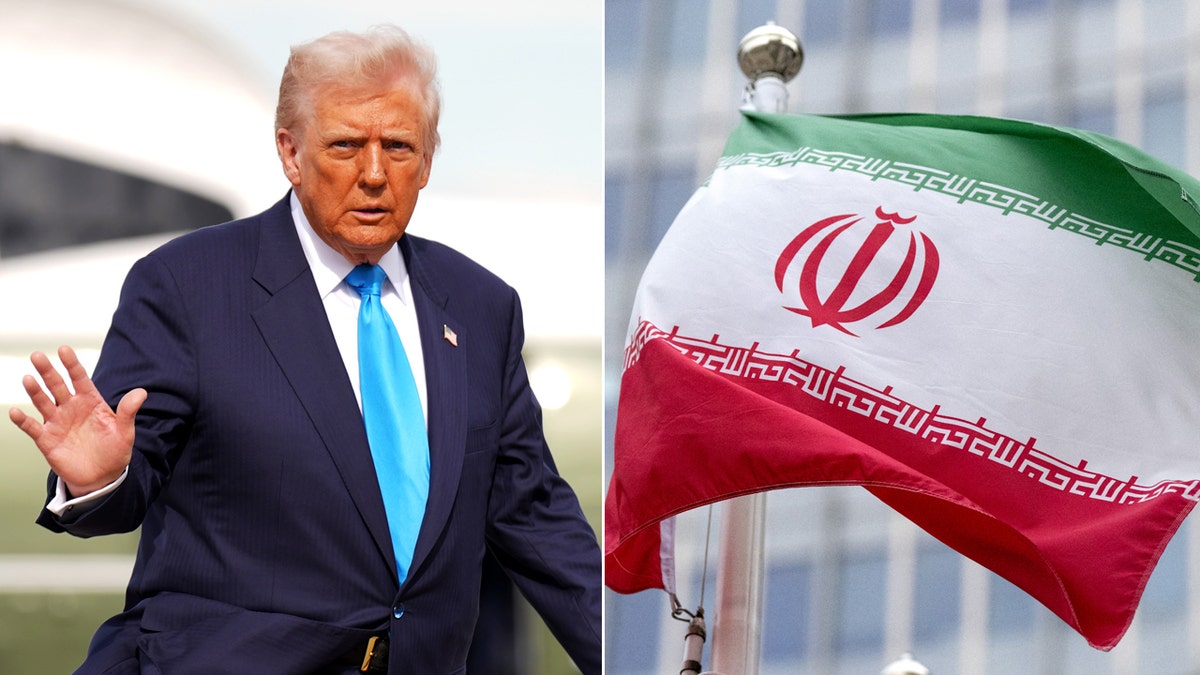
President Trump agreed to the request following conversations with Prime Minister Sharif and Field Marshal Asim Munir of Pakistan. The agreement stipulated a suspension of military attacks for a period of two weeks, contingent upon the “COMPLETE, IMMEDIATE, and SAFE OPENING” of the Strait of Hormuz as stated in the President’s social media announcement. This move temporarily staved off the threat of immediate U.S. Airstrikes and provided a diplomatic bridge for the two adversarial nations.
The mediation by Pakistan highlights the strategic role Islamabad is playing in regional stability. Prime Minister Sharif has emphasized that diplomatic efforts are progressing “steadily, strongly and powerfully,” with the potential to yield substantive results in the near future. This intervention was a critical pivot point, shifting the immediate trajectory from imminent conflict to a fragile, time-bound truce.
U.S. Military Blockade and ‘Maritime Superiority’
Despite the ceasefire, the United States has not dismantled its military posture. On April 14, 2026, the U.S. Military announced that it had successfully begun to enforce a blockade of Iranian ports per the Associated Press. This action represents a significant escalation in the “slow squeeze” strategy employed by the White House to leverage Iranian compliance.
According to a statement from U.S. Central Command (CENTCOM), the blockade was “fully implemented” within 36 hours of its launch. CENTCOM head Brad Cooper confirmed that the U.S. Had effectively halted all sea trade entering and exiting Iran, claiming that the military had achieved “maritime superiority” in the region as detailed in CENTCOM communications. This blockade serves as a physical manifestation of the pressure being applied to Tehran while diplomatic talks continue.
The Iranian response has been one of defiance and threat. Tehran has warned that it may strike targets across the region in response to the blockade. This threat followed a social media warning from President Trump, who stated that any Iranian warships attempting to breach the blockade would be met with a “quick and brutal” strike. The resulting standoff has created a paradoxical environment where the U.S. Is simultaneously pursuing peace talks and enforcing a strict military siege.
The Road to April 22: Deadlines and Sticking Points
The international community is now focused on April 22, 2026, the date when the current two-week ceasefire is scheduled to expire according to AP News. With neither side having indicated a plan for the post-ceasefire period, the risk of a return to hostilities remains high.
While President Trump suggested on April 14 that a second round of talks “could be happening over the next two days,” the first round of negotiations concluded without a breakthrough. The primary obstacle remains Iran’s nuclear ambitions. The White House has maintained that any sustainable deal must address these ambitions, while Tehran has historically resisted constraints that it views as infringements on its sovereignty.
The strategy currently employed by the U.S. Appears to be one of calculated attrition—using the blockade to weaken Iran’s economic leverage while keeping the door open for a diplomatic exit. Whether this “slow squeeze” will lead to a comprehensive agreement or trigger a regional escalation depends largely on the outcome of the talks facilitated by Pakistan in the coming days.
Regional Ripple Effects: Lebanon and Israel
The U.S.-Iran standoff is not occurring in a vacuum, as other Middle Eastern conflicts are being addressed in parallel. On April 14, 2026, Lebanon and Israel opened their first direct diplomatic talks in decades in Washington, D.C. as reported by the Associated Press. U.S. Secretary of State Marco Rubio participated in these discussions alongside the Israeli and Lebanese ambassadors.
These talks occur against a backdrop of fierce fighting between the Israeli military and Hezbollah militants in southern Lebanon. However, the prospects for a breakthrough are complicated by Hezbollah’s stance; a high-ranking member of the group’s political council has stated that Hezbollah opposes these direct talks and will not abide by any resulting agreements. This internal division within Lebanon mirrors the broader regional struggle between U.S.-backed diplomatic initiatives and Iranian-aligned resistance groups.
| Date | Event | Key Outcome/Detail |
|---|---|---|
| April 7 | Pakistan-brokered deal | Two-week ceasefire agreed; Strait of Hormuz opened [Link]. |
| April 14 | U.S. Blockade launched | CENTCOM achieves “maritime superiority”; Iranian ports blocked [Link]. |
| April 14 | Washington Diplomacy | Israel and Lebanon begin direct talks with Sec. Marco Rubio [Link]. |
| April 22 | Ceasefire Expiration | Deadline for the temporary truce to be extended or expire [Link]. |
As the April 22 deadline approaches, the world watches to notice if the “slow” progress of the Trump Iran peace talks can accelerate into a concrete agreement. The combination of Pakistani mediation and U.S. Maritime dominance has created a unique, albeit fragile, window for diplomacy. If the sides cannot reach an agreement on nuclear ambitions and the blockade, the region faces a high risk of returning to the brink of open warfare.
The next confirmed checkpoint is the expiration of the ceasefire on April 22, 2026. We will continue to monitor official statements from the White House, CENTCOM, and the Pakistani government for updates on potential extensions or the commencement of a second round of formal talks.
What are your thoughts on the U.S. Strategy of combining a blockade with diplomatic talks? Let us grasp in the comments below and share this report to keep others informed on the developing situation in the Middle East.
Keep reading