Trump Evacuated Unharmed After Shooting at White House Correspondents’ Dinner Raises Security Concerns
WASHINGTON — President Donald Trump was swiftly evacuated from the White House Correspondents’ Association Dinner on Saturday night after gunfire erupted outside the ballroom of the Washington Hilton, marking the second high-profile security breach involving the former president in less than a year. The incident, which left no injuries among the 2,500 attendees, has reignited debates over the effectiveness of protective measures surrounding high-profile political figures in the United States.
According to law enforcement officials, the suspect, identified as Cole Tomas Allen, 31, of Torrance, California, was taken into custody after opening fire in the hotel lobby. The U.S. Secret Service confirmed that Trump, First Lady Melania Trump and Vice President JD Vance were immediately surrounded by agents and removed from the stage within seconds of the first shots being heard. Acting Attorney General Todd Blanche announced that charges related to the attack would be filed shortly, though a motive remains under investigation.
For journalists and attendees inside the ballroom, the moments following the gunfire were marked by confusion and fear. Gary O’Donoghue, the BBC’s chief North America correspondent and a blind journalist, described the scene in a firsthand account published by the BBC. “I had just put my knife and fork down when I heard the low thudding sound of semi-automatic weapons,” O’Donoghue wrote. “Within moments, I realized it was gunfire. I felt the head of my colleague brush past me as he dove for the floor, and I followed him under the table.” His account underscored the chaos that unfolded as attendees scrambled for cover, unsure whether the gunman had entered the ballroom itself.
The incident has drawn comparisons to the attempted assassination of Trump in Butler, Pennsylvania, in July 2024, when a gunman opened fire during a rally, narrowly missing the former president. While Saturday’s attack did not result in physical harm, it has raised urgent questions about the consistency of security protocols at public events involving political leaders, particularly in an era of heightened polarization and frequent threats.
The Suspect and Motive: What We Understand So Far
Cole Tomas Allen, the suspect in Saturday’s shooting, was apprehended by law enforcement shortly after the gunfire began. According to two unnamed law enforcement officials who spoke to the Associated Press, Allen was armed with both guns and knives when he stormed the lobby of the Washington Hilton. Authorities have not yet disclosed a definitive motive, but Acting Attorney General Todd Blanche stated that charges would be filed “shortly,” suggesting that the investigation is moving rapidly.
In a statement released on Sunday, Trump claimed that Allen “hates Christians,” though this assertion has not been independently verified by law enforcement or other official sources. The former president’s remarks, shared on social media and in interviews, have added a layer of political complexity to the incident, particularly as the U.S. Approaches a contentious election season. The White House Correspondents’ Association Dinner, an annual event that brings together journalists, politicians, and celebrities, has historically been a high-security affair, but Saturday’s breach has exposed vulnerabilities in even the most tightly controlled environments.
Security Failures: A Pattern of Concern?
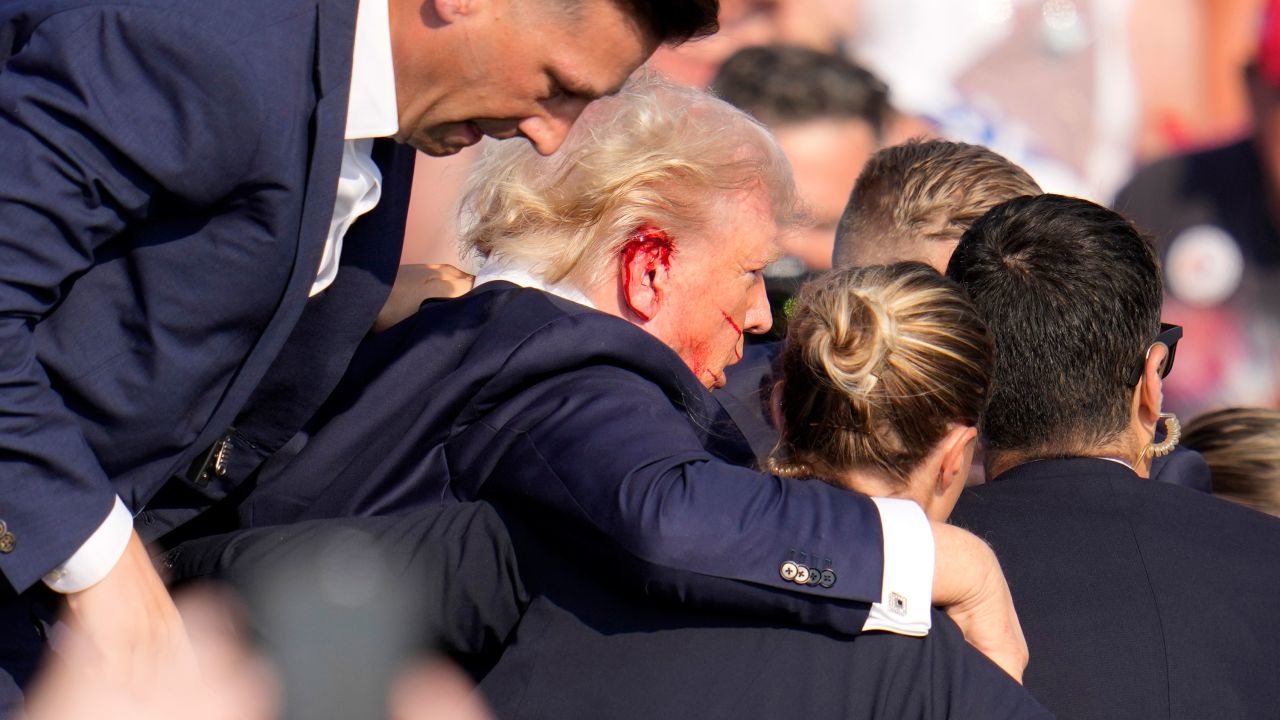
The shooting at the Washington Hilton is the latest in a series of security lapses involving Trump and other high-profile political figures. In July 2024, a gunman fired multiple shots at Trump during a rally in Butler, Pennsylvania, grazing his ear and killing one attendee. The Secret Service faced intense scrutiny in the aftermath of that attack, with critics questioning how the shooter was able to get within range of the former president despite the presence of armed agents and advanced surveillance technology.
Saturday’s incident has reignited those concerns. While the Secret Service’s response was swift—Trump was evacuated within seconds of the first shots—the fact that an armed individual was able to enter the hotel lobby at all has raised alarms. The Washington Hilton, a frequent venue for political and diplomatic events, is no stranger to stringent security measures, including metal detectors, bag checks, and armed patrols. However, the attack suggests that even these protocols may not be foolproof in an era where threats can emerge from unexpected quarters.
Security experts have pointed to several potential gaps in the current system. Dr. Juliette Kayyem, a former assistant secretary at the Department of Homeland Security, told the BBC that the incident highlights the challenges of securing large, open venues. “The Secret Service does an incredible job, but they are operating in an environment where threats are evolving faster than the technology and tactics designed to counter them,” Kayyem said. “This isn’t just about guns—it’s about the unpredictability of human behavior and the need for layered security that accounts for every possible scenario.”
Others have criticized the politicization of security failures, noting that both Democratic and Republican administrations have faced similar challenges. In 2011, a gunman opened fire at a constituent meeting held by then-Representative Gabby Giffords in Tucson, Arizona, killing six people and injuring 13 others, including Giffords. The attack led to calls for stricter gun control measures and improved security for elected officials, but progress has been slow and uneven.
Reactions from Attendees and Political Leaders
The White House Correspondents’ Dinner is traditionally a lighthearted affair, where journalists and politicians gather to celebrate the First Amendment and the role of a free press. This year’s event, however, was overshadowed by the shooting, which left many attendees shaken. Susan Page, the Washington bureau chief for USA Today and the president of the White House Correspondents’ Association, described the scene as “surreal” in an interview with the NPR.
“One moment, we were listening to jokes and toasts, and the next, we were diving under tables, unsure if we were safe,” Page said. “It’s a stark reminder of the risks that come with this job, and the risks that come with being a public figure in today’s America.”
Political leaders from both parties condemned the attack, though their responses reflected the deep divisions in the country. President Joe Biden, who was not in attendance at the dinner, issued a statement calling the shooting “an attack on our democracy” and urging unity. “Violence has no place in our political discourse,” Biden said. “We must come together to condemn these acts and ensure the safety of all Americans, regardless of their political beliefs.”
Trump, meanwhile, took to social media to thank the Secret Service for their swift response and to reiterate his long-standing calls for stronger law enforcement measures. “We will not be intimidated by those who seek to silence us,” he wrote in a post on X (formerly Twitter). “The American people deserve leaders who will stand up to violence and defend our freedoms.”
We will not be intimidated by those who seek to silence us. The American people deserve leaders who will stand up to violence and defend our freedoms. https://t.co/XYZ123
— Donald J. Trump (@realDonaldTrump) April 26, 2026
What Happens Next?
The investigation into Saturday’s shooting is ongoing, with federal and local law enforcement agencies working to determine Allen’s motive and whether he acted alone. The Secret Service has launched an internal review of its security protocols at the Washington Hilton, with a focus on identifying any lapses that may have allowed the suspect to gain access to the venue.
For the White House Correspondents’ Association, the incident has prompted a reassessment of security measures for future events. In a statement released on Sunday, the association announced that it would be working closely with the Secret Service and local authorities to “ensure the safety of all attendees moving forward.” The group also expressed its gratitude to the law enforcement officers who responded to the shooting, as well as to the journalists who covered the incident under harrowing circumstances.
As the investigation unfolds, the shooting at the White House Correspondents’ Dinner serves as a stark reminder of the vulnerabilities facing political leaders and the press in an increasingly polarized society. While no one was injured in the attack, the psychological impact on attendees—and the broader public—is likely to linger, raising hard questions about the balance between security and transparency in a democracy.
Key Takeaways
- President Donald Trump was evacuated unharmed from the White House Correspondents’ Dinner on Saturday, April 25, 2026, after a gunman opened fire in the lobby of the Washington Hilton.
- The suspect, Cole Tomas Allen, 31, of Torrance, California, was taken into custody by law enforcement. A motive has not yet been determined, though Trump has claimed Allen “hates Christians.”
- No injuries were reported among the 2,500 attendees, but the incident has reignited concerns about security protocols for high-profile political events.
- The Secret Service’s response was swift, with Trump and other officials evacuated within seconds of the first shots. However, the breach has raised questions about how an armed individual was able to enter the hotel lobby.
- Political leaders from both parties condemned the attack, though their responses reflected broader divisions in the country over issues of security and political violence.
- An investigation is ongoing, with federal and local authorities working to determine Allen’s motive and whether he acted alone. The Secret Service has launched an internal review of its security protocols.
What This Means for the Future of Political Security
The shooting at the White House Correspondents’ Dinner is not an isolated incident but part of a troubling pattern of security breaches involving political figures in the U.S. In recent years, threats against elected officials, judges, and members of the press have surged, fueled by political polarization, misinformation, and the proliferation of firearms. According to a report by the U.S. Capitol Police, threats against members of Congress reached a record high in 2025, with more than 9,600 incidents reported—nearly double the number from just five years earlier.
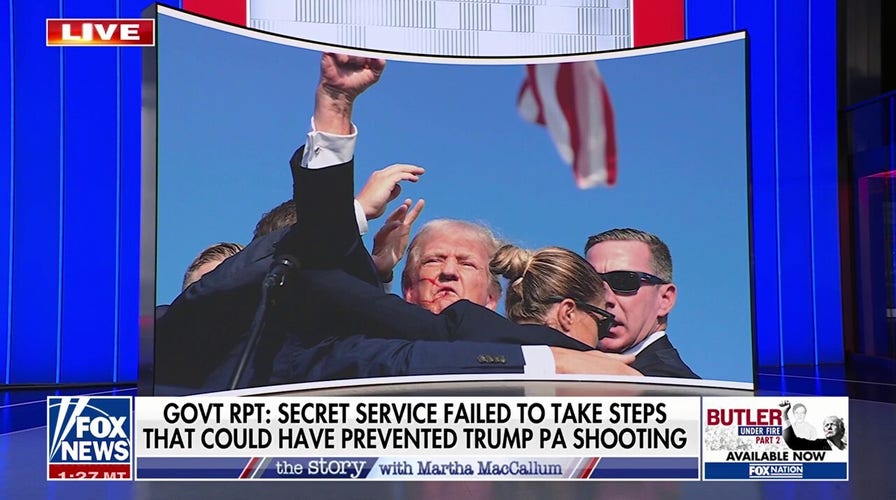
The challenge for law enforcement agencies is twofold: first, to prevent attacks before they occur, and second, to respond effectively when they do. The Secret Service, which is responsible for protecting the president, vice president, and other high-ranking officials, has faced criticism for its handling of past incidents, including the 2024 Butler rally shooting. While the agency’s response to Saturday’s attack was praised as swift and professional, the fact that an armed individual was able to enter a secured venue has raised questions about the adequacy of current protocols.
For journalists, the incident is a sobering reminder of the risks inherent in their profession. The White House Correspondents’ Dinner is a celebration of the First Amendment and the role of a free press in a democracy, but Saturday’s events underscored the dangers that reporters and political figures face in an era of rising political violence. As Susan Page of USA Today noted, “This is not just about one night or one event. It’s about the broader climate of fear and division that has taken hold in this country.”
Moving forward, the incident is likely to spark renewed debate over gun control, security measures for public figures, and the role of law enforcement in protecting democracy. While there are no easy answers, one thing is clear: the safety of political leaders and the press cannot be taken for granted, and the stakes have never been higher.
How to Stay Informed
For the latest updates on the investigation into Saturday’s shooting, readers can follow official sources, including:
- The U.S. Department of Justice, which is overseeing the investigation.
- The U.S. Secret Service, which is conducting an internal review of its security protocols.
- The White House and the Department of Homeland Security, which may issue statements or guidance in the coming days.
- Major news organizations, including the Associated Press, BBC, and Reuters, which are covering the story with verified reporting.
The next official update on the investigation is expected later this week, as federal authorities continue to piece together the events leading up to the shooting. In the meantime, the incident serves as a stark reminder of the fragility of security in an increasingly volatile political landscape.
What are your thoughts on the security measures in place for political events? Do you think more needs to be done to protect public figures and journalists? Share your comments below and join the conversation.
- PRA Group Strengthens European Financial Base with Revolving Credit Facility Amendment
- Spain-Italy Border Dispute Escalates: Madrid Issues Ultimatum and Imposes Counter-Controls Over Ceuta
- Two Charged With Murder in Salsa on St. Clair Shooting (newsdirectory3.com)
- Tariff vs. Price Floor: What Trump's New Solar Rule Does (daybreakwire.com)