
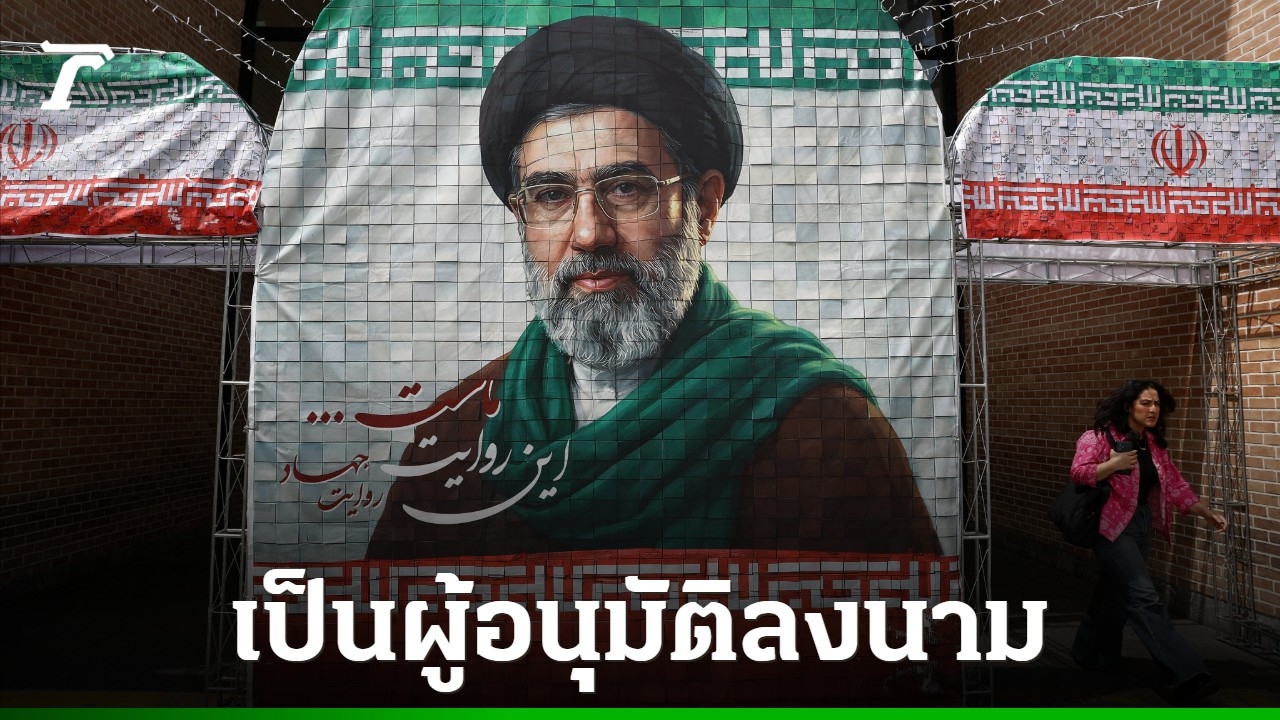
Supreme Leader Ayatollah Ali Khamenei has confirmed his direct authorization for the signing of a memorandum of understanding (MOU) between Iran and the United States, marking a significant, if fragile, shift in the diplomatic landscape between the two nations. The confirmation follows a series of high-stakes negotiations that have drawn intense scrutiny from international observers, as the administration in Washington moves to finalize terms aimed at de-escalation in the Persian Gulf. According to reports from the U.S. Central Command (CENTCOM), the move coincides with a strategic decision by the U.S. military to scale back its posture in the region, effectively ending the naval blockade of Iranian ports that had persisted for months.
The Path to Diplomatic Engagement
The approval from Tehran’s highest office serves as the definitive signal that the Iranian leadership is prepared to engage in a formal framework for regional stability. While the specific terms of the MOU remain under review by international monitors, the agreement is widely viewed as a precursor to broader discussions on security and economic sanctions. The involvement of the Supreme Leader is a critical detail, as it bypasses internal political fragmentation within the Iranian government, signaling a unified, albeit cautious, state policy toward the current U.S. administration, as noted in recent diplomatic briefings.
The transition from a state of active confrontation to one of monitored dialogue has been characterized by rapid developments. According to the U.S. Central Command, the decision to cease the blockade of Iranian ports was a direct response to the initialing of the framework, intended to facilitate a reduction in regional tensions and allow for the resumption of commercial maritime traffic. This step is seen by regional analysts as a necessary gesture to build the trust required for long-term negotiations, though both sides have remained guarded regarding the permanence of these commitments.
Market Reactions and Energy Security
Global energy markets have responded with characteristic volatility to the news of the rapprochement. Financial analysts suggest that while the immediate effect has been a fluctuation in crude oil prices, the market is likely to remain in a state of flux for the next four to eight weeks as traders digest the implications of a potential increase in Iranian oil supply. The strategic importance of the Strait of Hormuz remains the primary factor; even with the de-escalation of naval activities, the long-term impact on global energy security depends heavily on the consistency of the diplomatic channel now established between Washington and Tehran, according to market assessments published by SWP FM91.

The complexity of this peace deal cannot be overstated. Unlike previous efforts, this agreement involves a delicate balancing act between internal domestic pressures in both Washington and Tehran and the interests of regional allies who remain skeptical of a sudden thaw in relations. Analysts from The Standard have highlighted that the path toward a comprehensive treaty is fraught with technical and political obstacles, ranging from the verification of nuclear enrichment levels to the lifting of specific financial sanctions that have crippled the Iranian economy for years.
Regional Implications and Future Outlook
The international community is currently monitoring the situation for signs of implementation. The lifting of the naval blockade is a tangible, verifiable action, but the broader goals of the MOU—including lasting peace and regional security—will require sustained adherence to the terms signed by the respective delegations. The U.S. administration has signaled that future actions will be tied to strict compliance, a sentiment echoed by officials in Tehran who maintain that the lifting of sanctions remains the primary benchmark for their continued cooperation.
As the situation develops, observers are looking toward the next scheduled diplomatic summit, where representatives from both countries are expected to discuss the technical implementation of the MOU. This meeting is widely considered the next critical checkpoint for the survival of the agreement. For those tracking the impact on global trade and regional stability, further official updates are expected to be released through the U.S. Department of State and the official press offices of the Iranian government. We encourage our readers to share their perspectives on these developments in the comments section below as we continue to track this evolving story.